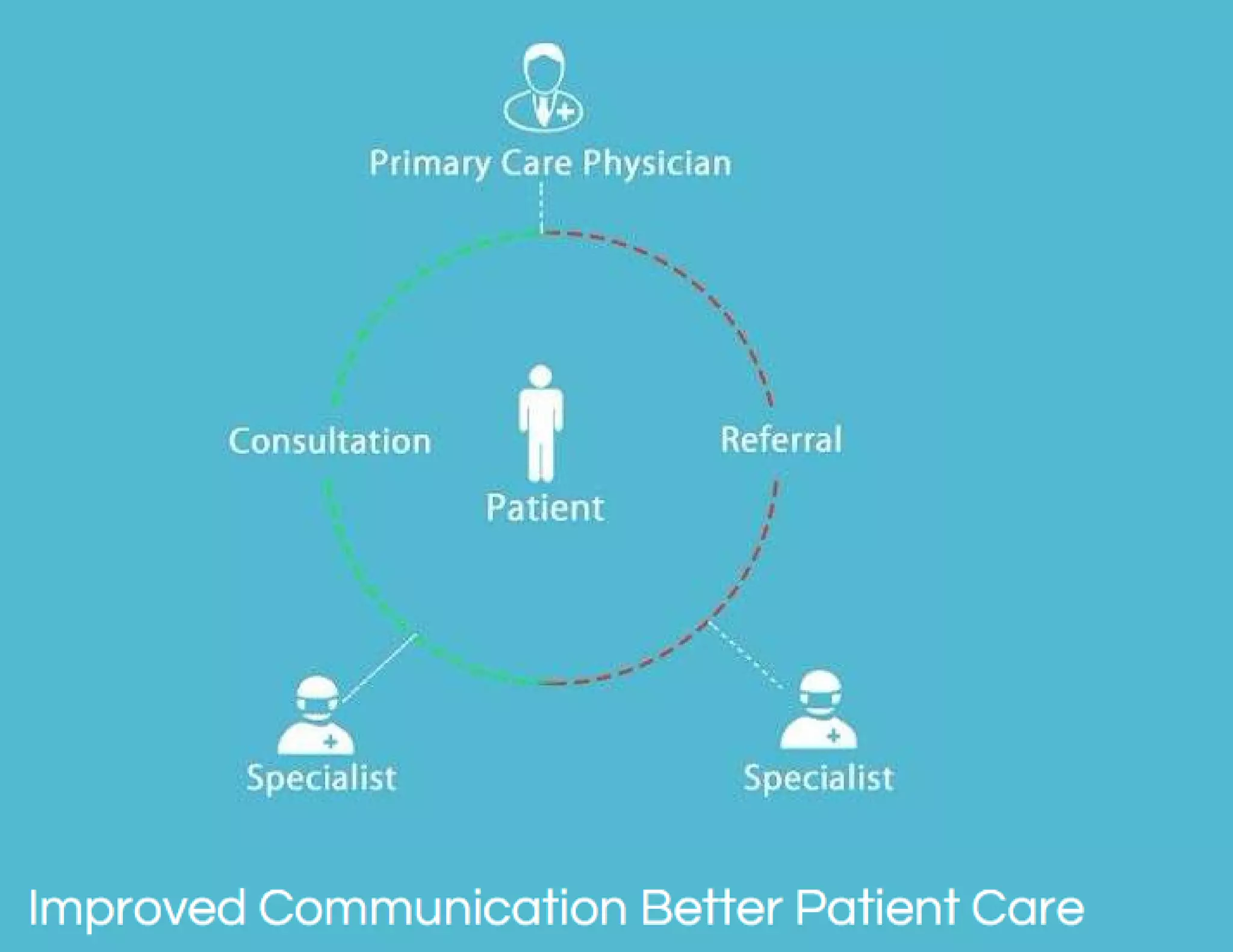
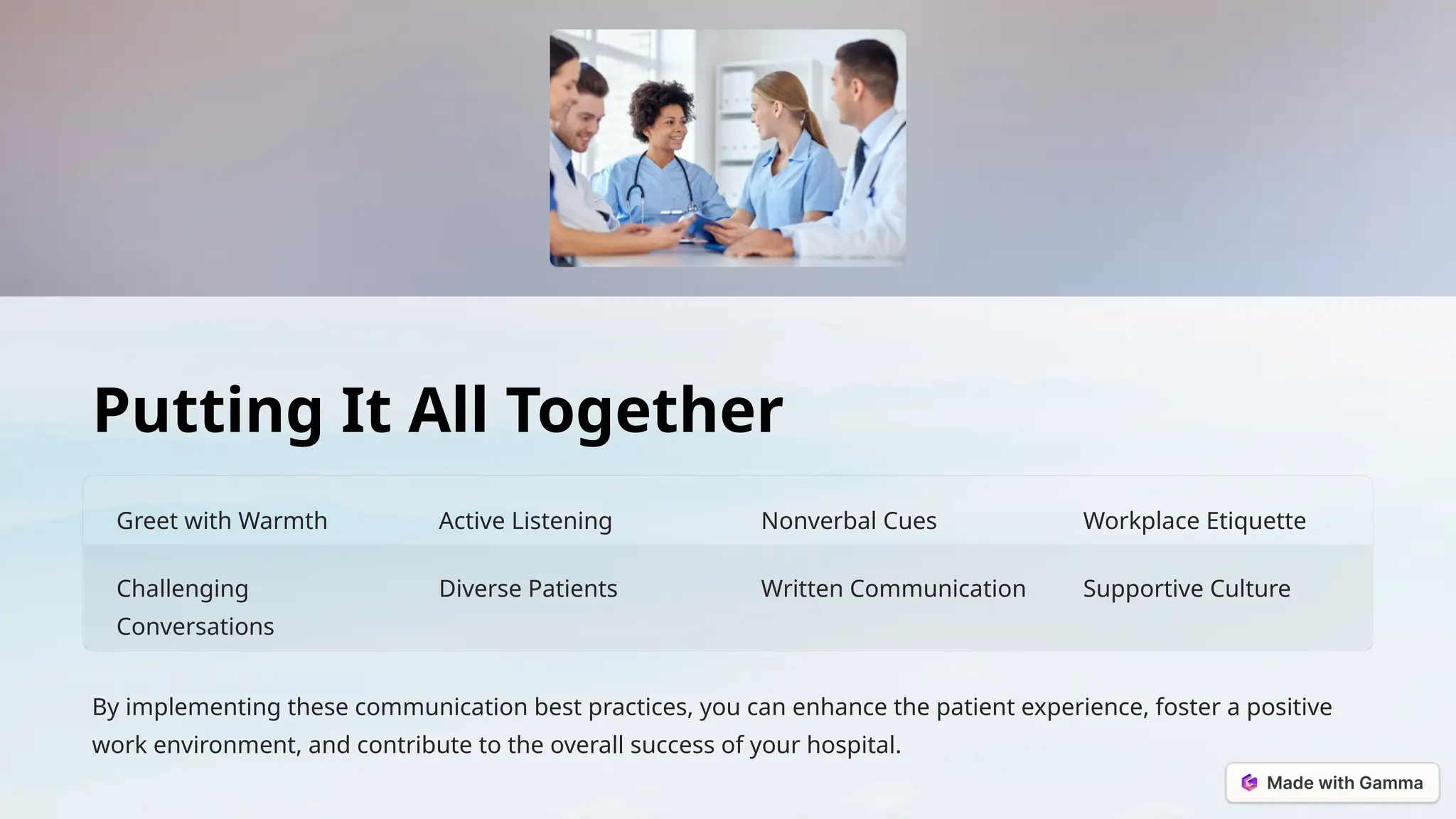
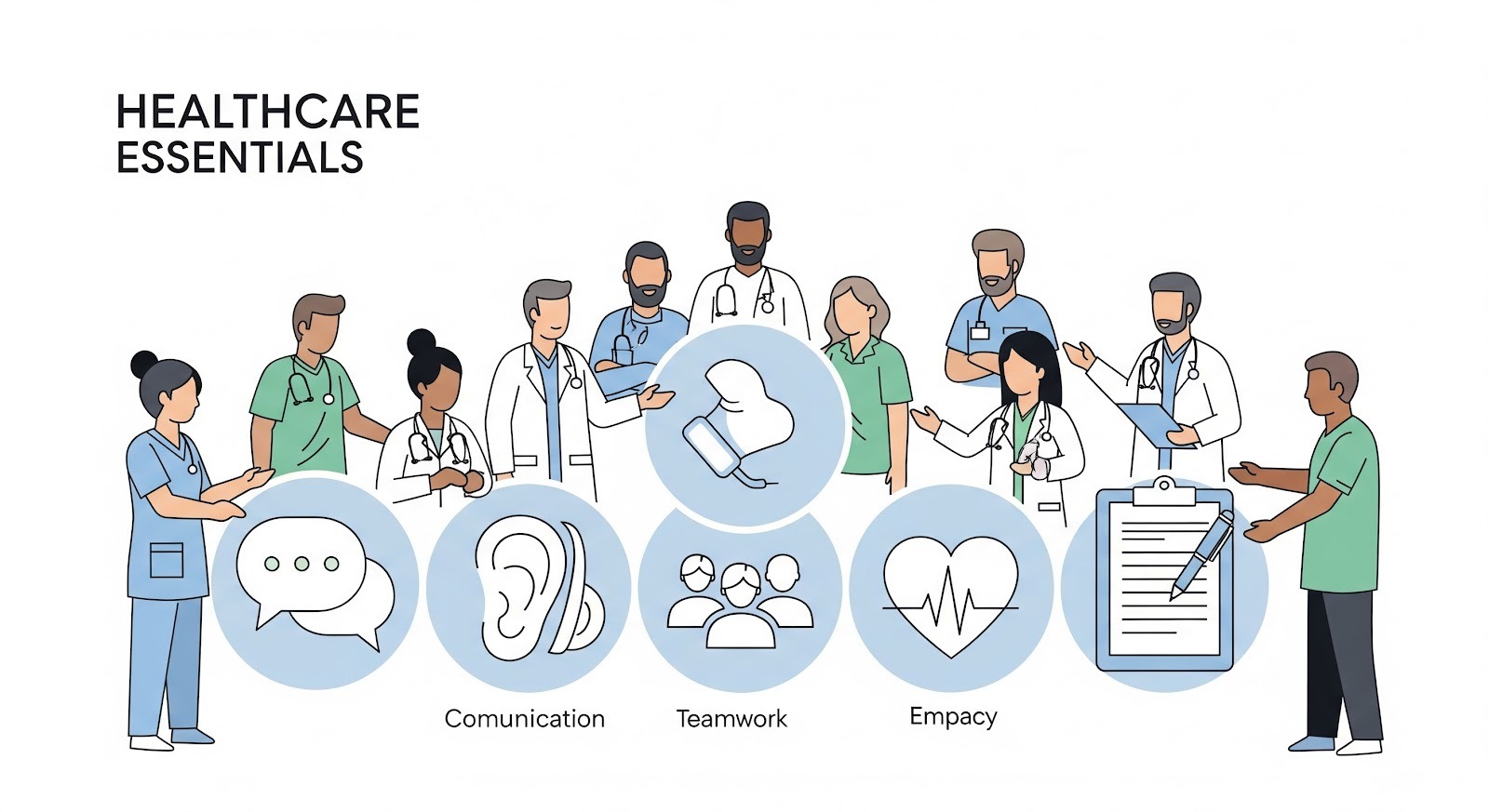
Effective healthcare communication directly determines patient safety, clinical accuracy, and therapeutic outcomes. By structuring communication into distinct clinical, digital, and interpersonal modalities, healthcare systems reduce medical errors, enhance patient compliance, streamline care transitions, and foster trust between multidisciplinary care teams, patients, and their families.
The Strategic Role of Structured Communication in Modern Medicine
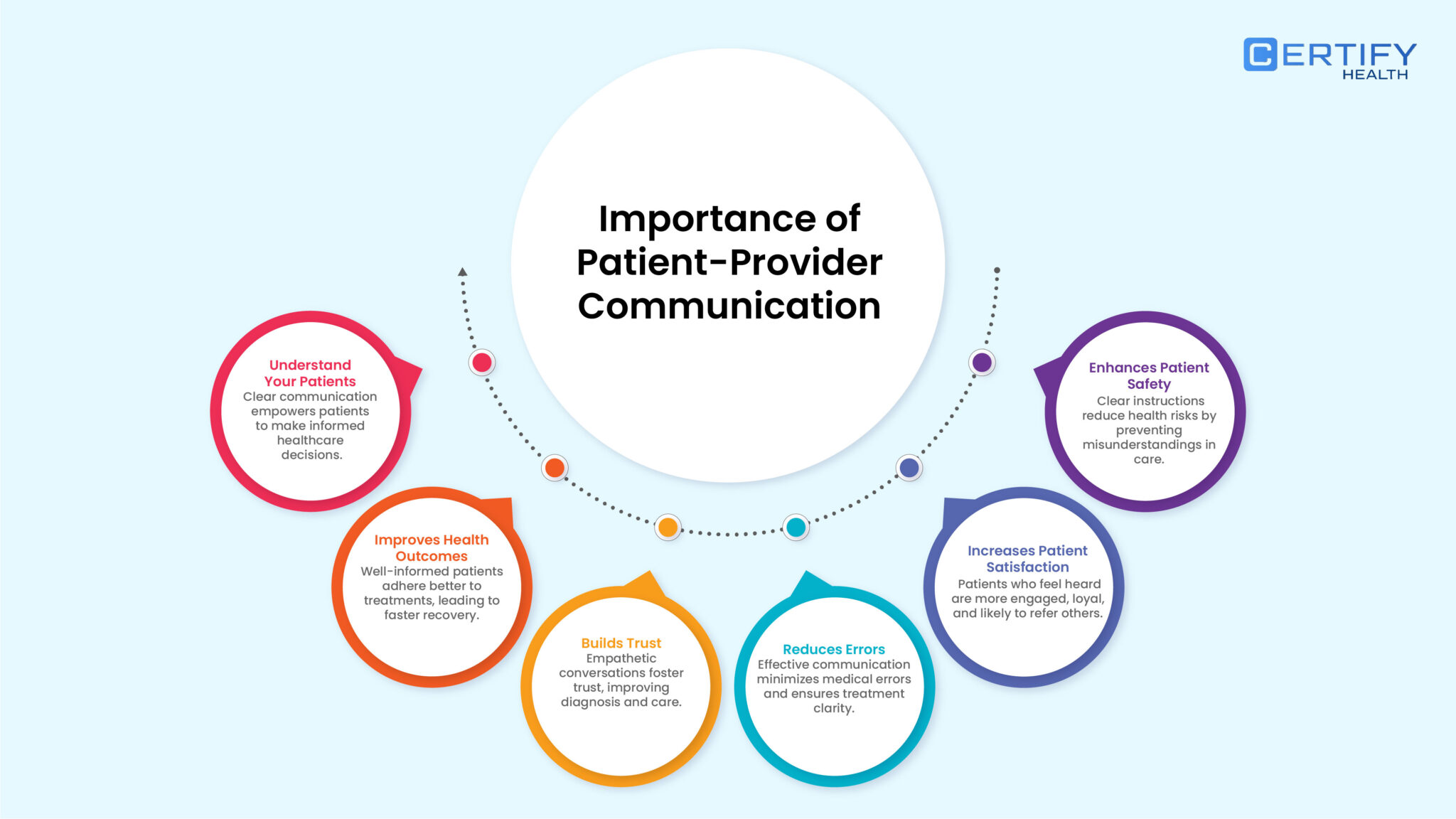
In complex clinical environments, communication is not merely an administrative soft skill; it is a core component of clinical safety and diagnostic accuracy. Analysis from healthcare accreditation organizations, including The Joint Commission, consistently demonstrates that communication breakdowns are a root cause of inadvertent patient harm, sentinel events, and delayed treatments.
Modern care delivery involves dozens of touchpoints per patient across shift changes, specialized departments, outpatient clinics, and digital health tools. When communication lacks structure, vital clinical data is lost, medication errors rise, and patient compliance drops. Conversely, implementing standardized communication protocols ensures that critical diagnostic findings, patient preferences, and care plans move seamlessly across every stage of the patient journey.
10 Types of Communication in Healthcare That Drive Patient Outcomes
Healthcare communication operates across multiple channels, audiences, and technological platforms. Understanding how these 10 distinct types of communication operate allows healthcare leaders and practitioners to refine clinical workflows and elevate the quality of patient care.
- Healthcare Communication Ecosystem
- Clinical & Interprofessional
- Multidisciplinary Huddles (SBAR)
- EHR & Asynchronous Documentation
- Crisis & Emergency Alerts
- Care Transition Handoffs
- Patient-Facing & Interpersonal
- Patient Education (Teach-Back)
- Provider-Patient Verbal Dialogue
- Non-Verbal Affective Cues
- Family & Caregiver Conferences
- Digital & System-Wide Channels
- Synchronous Telehealth
- Patient Portals & Messaging
- Clinical & Interprofessional
1. Interprofessional Multidisciplinary Team Communication
Interprofessional communication occurs among physicians, nurses, pharmacists, physical therapists, and medical specialists. High-functioning healthcare environments utilize standardized tools to transfer complex clinical details without ambiguity.
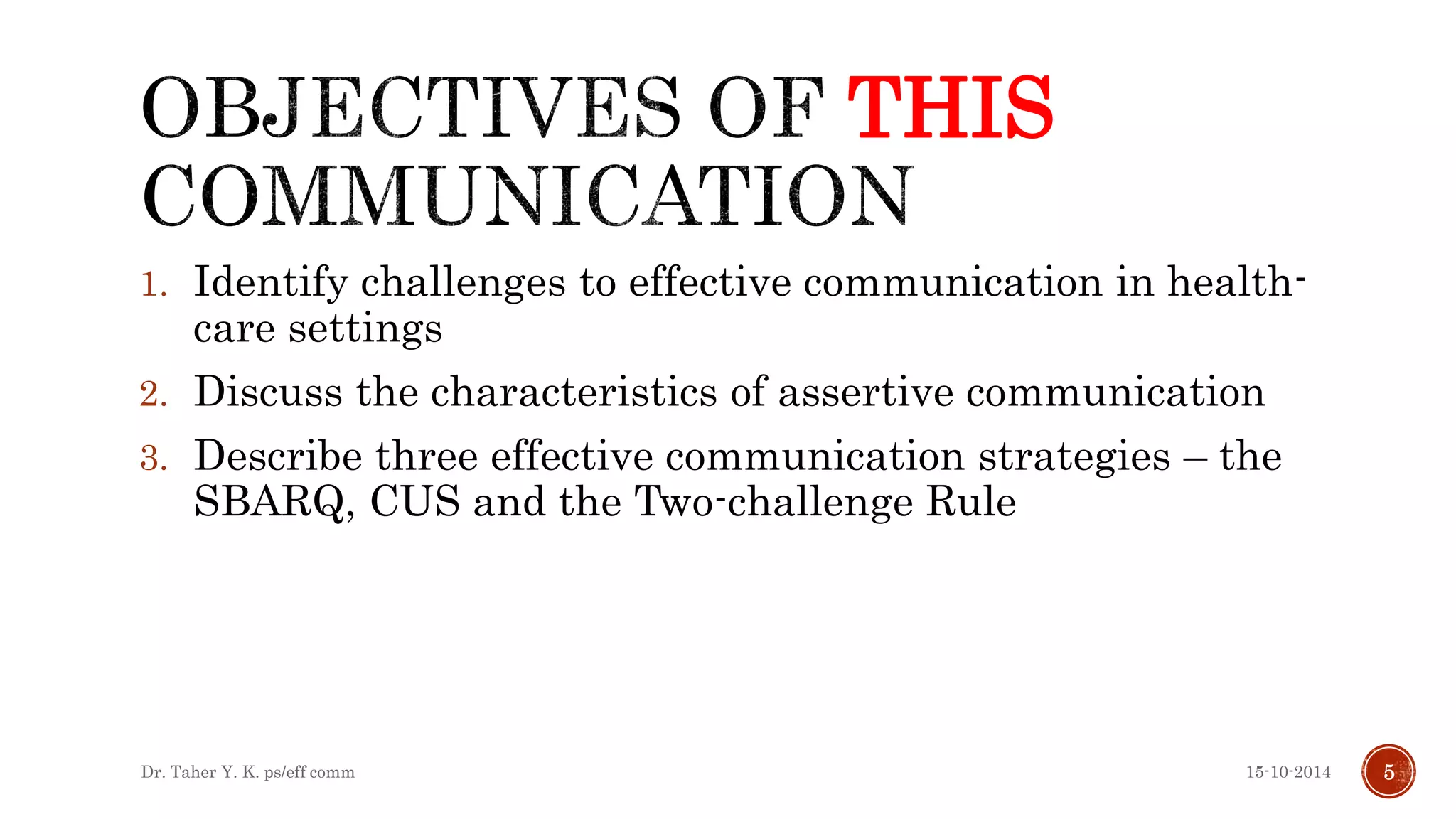
The primary framework used globally is SBAR (Situation, Background, Assessment, Recommendation). Developed originally for high-risk industries and adapted for healthcare by the Agency for Healthcare Research and Quality (AHRQ) under the TeamSTEPPS curriculum, SBAR creates a predictable structure for urgent clinical escalations:
- Situation: What is happening with the patient right now?
- Background: What is the relevant clinical history?
- Assessment: What is the provider's current evaluation of the problem?
- Recommendation: What specific action or response is required?
By establishing a common language, multidisciplinary teams minimize misunderstandings during rapid clinical deterioration, reducing delay in critical interventions.
2. Provider-Patient Verbal Dialogue
The verbal exchange between a clinician and a patient forms the foundation of diagnostic history-taking and therapeutic alliance. Effective verbal dialogue requires balancing clinical inquiry with empathetic, open-ended questioning.
Clinicians who practice shared decision-making explicitly outline treatment alternatives, risks, and benefits while incorporating the patient's personal values and lifestyle constraints. Techniques such as motivational interviewing help patients overcome ambivalence regarding lifestyle alterations, adherence to complex medication regimens, or management of chronic diseases like diabetes and hypertension. Clear, empathetic verbal dialogue increases patient trust, which correlates with improved treatment compliance and self-management.
3. Non-Verbal Clinical Communication
Non-verbal cues—including eye contact, posture, tone of voice, facial expressions, and therapeutic touch—account for a significant portion of patient perception during clinical encounters.
In high-stress medical settings, non-verbal signals can either reinforce reassurance or project clinical distraction. For example:
- A physician who sits at eye level with a bedridden patient projects attentiveness and accessibility, significantly boosting patient satisfaction compared to a clinician who speaks while standing over the bed.
- Active listening behaviors, such as nodding and maintaining open posture without staring at an Electronic Health Record (EHR) screen, signal to the patient that their symptoms are being accurately heard and prioritized.
- Non-verbal pain assessment scales allow clinicians to evaluate non-communicative or pediatric patients by observing facial grimacing, body guarding, and restlessness.
4. Written and Electronic Health Record (EHR) Documentation
Written communication within EHR systems represents the legal and operational record of a patient's care trajectory. High-quality EHR documentation requires clarity, timeliness, and standardized terminology to support clinical continuity across care shifts and facilities.
Through Computerized Provider Order Entry (CPOE) and standardized clinical templates, written communication reduces misinterpretation stemming from illegible handwriting or non-standard abbreviations. Modern EHR platforms also utilize real-time decision support systems (CDSS) that alert clinicians to drug-drug interactions, allergy contraindications, and duplicate testing, turning documentation into an active risk-management tool.
5. Patient Education and Health Literacy Communication
Health literacy refers to an individual's ability to find, understand, and use information and services to inform health-related decisions. The Centers for Disease Control and Prevention emphasizes that low health literacy leads to higher hospitalization rates, frequent emergency department visits, and poorer health outcomes.
Communicating effectively with patients requires converting complex medical terminology into plain language. The most evidence-backed strategy for confirming patient understanding is the Teach-Back Method. Rather than asking, "Do you understand these discharge instructions?" clinicians prompt the patient to demonstrate comprehension by asking: "When you get home today, how will you explain to your spouse how to take this medication?" This technique identifies misunderstandings immediately before the patient leaves the clinical facility.
6. Synchronous Telehealth and Virtual Consultation
Telehealth communication connects patients with specialists remotely via real-time audio-video platforms. Conducting clinical encounters over video requires adapted communication protocols, often referred to as "webside manner."
Clinicians must establish eye contact by looking directly into the camera, verbally narrate off-screen actions (such as typing clinical notes), and actively check for audio latency to prevent interrupting the patient. When executed correctly, synchronous virtual visits increase healthcare access for rural, homebound, or mobility-impaired populations while maintaining diagnostic fidelity for routine monitoring and follow-up care.
7. Asynchronous Patient Portal Communications
Asynchronous messaging through secure patient portals enables ongoing communication between clinical encounters. Patients can review laboratory findings, request prescription renewals, submit diagnostic images, and message their care team without requiring an in-person visit.
To optimize asynchronous communication without overwhelming clinical staff, healthcare organizations deploy triage protocols where medical assistants or triage nurses route incoming messages to the appropriate care coordinator, pharmacist, or physician. Clear operational policies regarding expected response windows (e.g., within 24 to 48 business hours) set realistic patient expectations while reducing phone call volumes within the practice.
8. Crisis and Emergency Risk Communication
Emergency communication occurs during acute resuscitation events, sudden clinical deterioration, or facility-wide mass-casualty incidents. During emergencies, communication must be immediate, unambiguous, and prioritized by operational urgency.
In acute resuscitation scenarios (such as Advanced Cardiac Life Support), care teams utilize closed-loop communication. In this model:
- The team leader issues a direct, named instruction: "Nurse Smith, administer 1 milligram of Epinephrine IV push."
- The recipient repeats the command back explicitly: "Administering 1 milligram of Epinephrine IV push."
- The recipient confirms completion: "1 milligram of Epinephrine IV push has been administered."
Closed-loop verification eliminates assumptions, prevents duplicate medication administration, and maintains order during high-stress medical emergencies.
9. Inter-Facility and Care Transition Communication
Care transitions—such as discharging a patient from an acute hospital to a skilled nursing facility, rehabilitation center, or home care environment—present significant operational vulnerabilities. Incomplete transfer summaries frequently result in medication reconciliation errors and avoidable 30-day hospital readmissions.
Effective transition communication relies on standardized handoff tools such as the I-PASS framework (Illness severity, Patient summary, Action list, Situation awareness and contingency planning, Synthesis by receiver). Ensuring that the receiving facility receives accurate diagnostic histories, pending lab tests, and explicit post-discharge instructions preserves patient safety across institutional boundaries.
10. Family and Caregiver Communication
In pediatric care, geriatrics, oncology, memory care, and intensive care units, family members and designated healthcare proxies act as crucial surrogates in clinical decision-making. Communicating effectively with family members requires navigating sensitive ethical, emotional, and legal considerations (such as HIPAA compliance and advance directives).
Structured family conferences are utilized in palliative care and intensive care units to establish goals of care. Clinicians use specific communication frameworks, such as the VALUE protocol (Value family statements, Acknowledge emotions, Listen to the family, Understand the patient as a person, Elicit family questions), to ensure that medical interventions align with the patient's pre-stated wishes and ethical values.
Comparative Analysis of Healthcare Communication Channels
The following table contrasts the core communication types used across modern healthcare settings, illustrating their primary clinical applications, inherent risk factors, and industry-standard frameworks:
| Communication Type | Primary Clinical Application | Key Risk / Vulnerability | Recommended Standard / Tool |
|---|---|---|---|
| Interprofessional Team | Shift handoffs, clinical escalations | Information loss, hierarchical silence | SBAR Framework |
| Provider-Patient Dialogue | History taking, treatment selection | Patient non-adherence, lack of trust | Shared Decision-Making / Motivational Interviewing |
| Non-Verbal Communication | Physical exam, pain assessment, empathy | Projecting distraction, misinterpreting distress | Sitting at eye level, active listening cues |
| Written & EHR Entry | Charting, CPOE, multi-specialty tracking | Copy-paste errors, ambiguous abbreviations | CPOE & Standardized Clinical Templates |
| Patient Education | Discharge planning, chronic disease control | Medical jargon, low health literacy | Teach-Back Method & Plain-Language Instructions |
| Telehealth / Virtual | Remote consultations, follow-ups | Tech failure, reduced diagnostic tactile feedback | Web-side manner protocols & HD video standards |
| Patient Portals | Routine queries, lab results, refills | Message overload, delayed emergency responses | Structured nurse triage & clear response SLA |
| Crisis & Emergency | Code responses, trauma resuscitations | Misheard orders, chaotic task execution | Closed-Loop Communication & TeamSTEPPS |
| Care Transitions | Hospital discharge, facility transfers | Unreconciled medications, missing records | I-PASS Protocol |
| Family / Caregiver | Surrogate decisions, ICU goal setting | Misaligned expectations, emotional distress | VALUE Protocol & Formal Family Conferences |
Overcoming Barriers to Effective Healthcare Communication
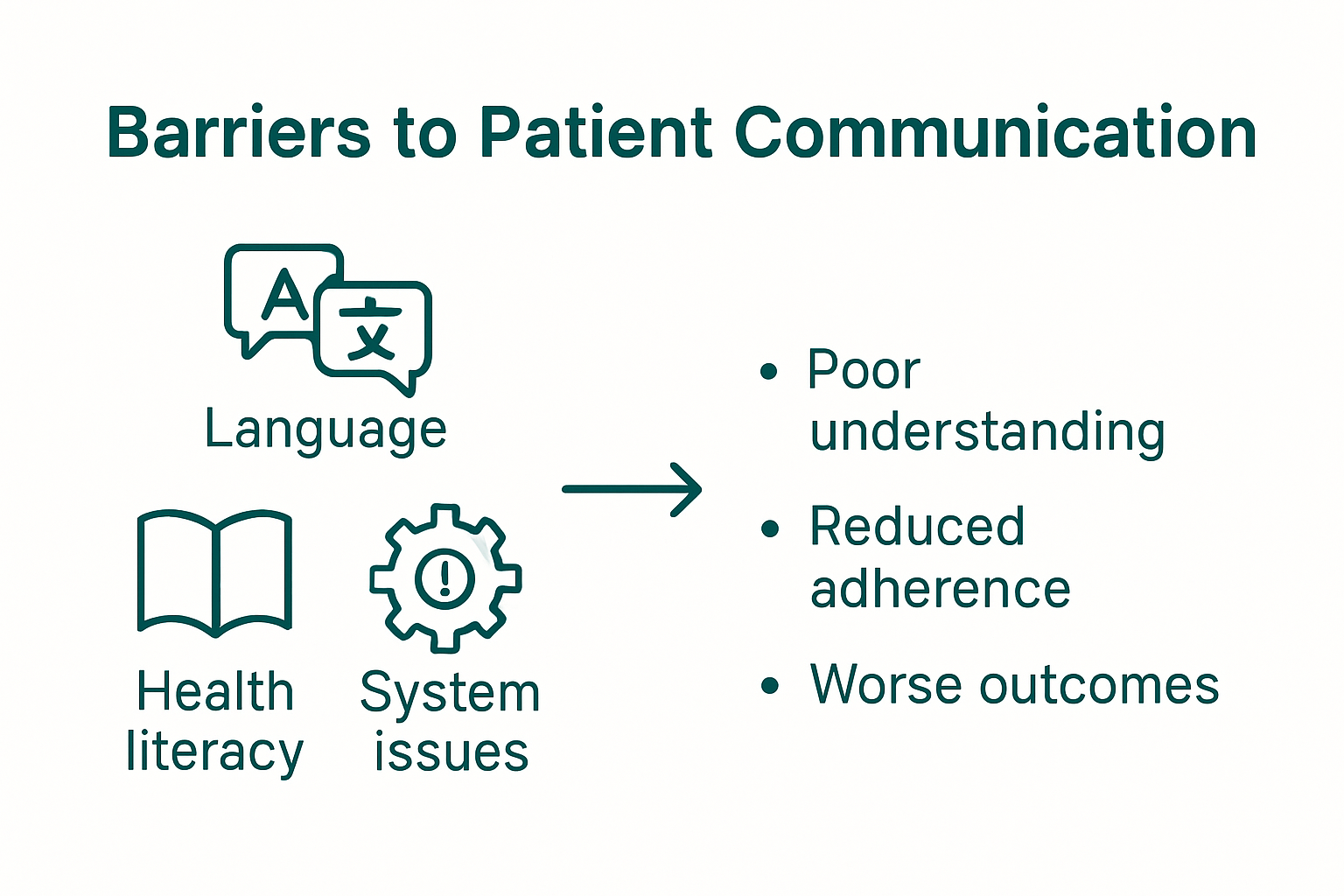
Implementing these ten communication types requires systematic effort to address common systemic, cultural, and technological obstacles within healthcare organizations.
- Systemic Communication Barriers
- Language & Culture
- Requires qualified medical interpreters
- Cognitive Overload
- Requires EHR alert optimization & triage
- Hierarchy & Power
- Requires TeamSTEPPS psychological safety
- Language & Culture
Language and Cultural Barriers
According to federal regulations under Title VI of the Civil Rights Act, healthcare providers receiving federal funds must provide meaningful access to limited English proficiency (LEP) patients. Relying on untrained staff or patient family members for translation often introduces clinical errors and breaches patient privacy. Healthcare systems must integrate certified medical interpreters (via in-person, video remote interpreting, or over-the-phone services) and provide culturally adapted patient education materials to ensure equitable care delivery.
Cognitive Overload and EHR Fatigue
Clinicians process vast quantities of diagnostic data daily. Excessive EHR alerts, redundant documentation burdens, and high patient volumes contribute to cognitive fatigue. When clinicians are overwhelmed, communication becomes terse, error-prone, or delayed. Health systems mitigate this by streamlining EHR interfaces, optimizing alert thresholds to reduce alert fatigue, and utilizing clinical scribes or ambient AI documentation tools to free up clinician bandwidth for direct patient interaction.
Hierarchical Power Dynamics
In traditional clinical environments, strict hierarchies between senior physicians, junior residents, nurses, and allied health staff can suppress open communication. Frontline personnel may hesitate to voice concerns about potential medical errors due to fear of reprimand. Applying psychological safety initiatives—such as the TeamSTEPPS "Two-Challenge Rule"—empowers any clinical team member to assertively stop a procedure if a patient safety issue is detected, regardless of professional rank.
Implementation Guide: Standardizing Communication Across Clinical Workflows
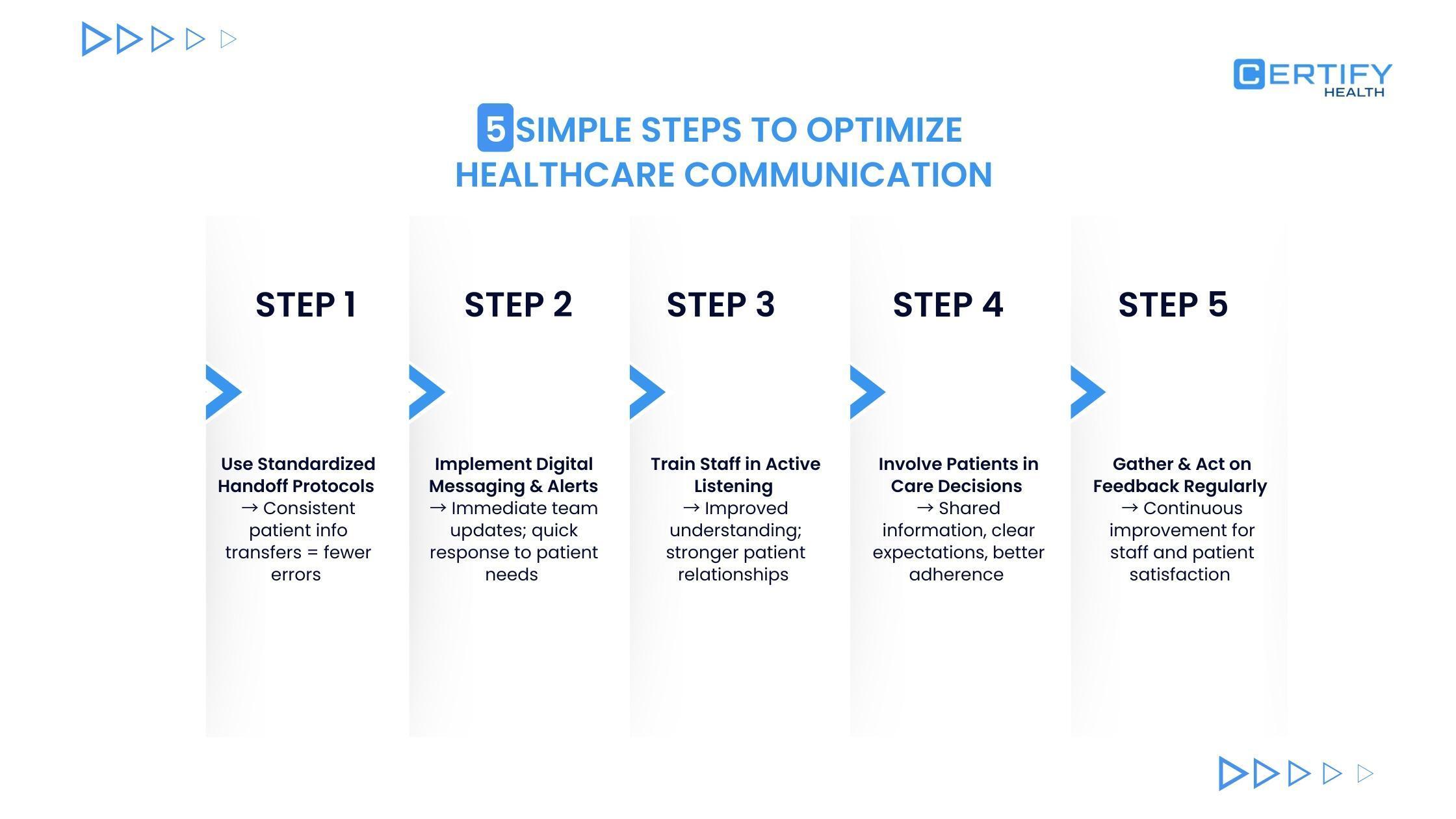
Transforming communication practice across a healthcare facility requires a deliberate, step-by-step organizational approach.
- Conduct a Clinical Communication Audit: Assess current baseline performance by analyzing incident reports, patient satisfaction scores (HCAHPS), and transition readmission rates to identify communication gaps.
- Standardize Toolsets across Departments: Adopt uniform communication protocols across all units (e.g., universal implementation of SBAR for shift handoffs and I-PASS for unit-to-unit transfers).
- Embed Protocols into the EHR: Configure EHR software to mandate standardized handoff forms, automated discharge summary generation, and direct integration with secure messaging platforms.
- Execute Simulation-Based Interprofessional Training: Train clinical teams together using real-world clinical simulations, focusing on crisis communication, closed-loop verification, and empathetic patient interaction.
- Measure and Iterate: Track metrics such as discharge instruction comprehension, patient portal response times, adverse event frequency, and staff satisfaction to continually refine operational workflows.
Frequently Asked Questions
What is the SBAR tool and why is it essential in healthcare communication?
SBAR stands for Situation, Background, Assessment, and Recommendation. It is a structured framework that standardizes clinical communication among healthcare team members, ensuring that critical patient details are communicated concisely during shift handoffs, urgent escalations, and multidisciplinary consultations to prevent medical errors.
How does the teach-back method improve patient outcomes?
The teach-back method requires patients to explain medical instructions back to their provider in their own words. This technique ensures that patients understand their diagnosis, medication dosage, and follow-up care, significantly reducing post-discharge complications, treatment errors, and emergency department visits.
What is the difference between synchronous and asynchronous digital communication in medicine?
Synchronous communication happens in real time, such as a video telehealth visit or a telephone call between clinicians. Asynchronous communication occurs with a time lag between sender and receiver, such as secure portal messaging, e-consultation notes, or updating an EHR chart for another provider to review later.
How do healthcare systems handle communication for non-English-speaking patients?
Healthcare organizations utilize qualified medical interpreters available via video remote interpreting (VRI), telephone interpreting, or in-person translation. Using certified medical interpreters ensures accurate clinical terminology translation and maintains compliance with federal non-discrimination mandates.
What role does non-verbal communication play in clinical empathy?
Non-verbal communication, such as maintaining eye contact, uncrossing arms, nodding, and sitting at eye level with patients, signals attentiveness and empathy. It helps reduce patient anxiety, builds clinical trust, and encourages patients to share comprehensive diagnostic information.
Next Steps for Healthcare Leaders and Clinicians
To enhance patient safety, clinical efficacy, and operational throughput, healthcare organizations must shift from informal, discretionary communication to standardized, evidence-based systems. Clinicians and administrators looking to optimize their communication infrastructure should begin by:
- Reviewing facility-wide shift-change handoff procedures and aligning them with proven frameworks like SBAR or I-PASS.
- Integrating regular, interprofessional simulation training to practice closed-loop communication during acute resuscitation scenarios.
- Auditing patient discharge processes to ensure that teach-back techniques and plain-language materials are systematically integrated into patient education workflows.
By systematically applying these ten communication types, healthcare organizations build a reliable clinical environment where information flows accurately, medical errors drop, and patient outcomes continuously improve.