To save money effortlessly while shopping online in 2026, you must combine automated technology with strategic timing. Key strategies include using AI-powered price trackers, leveraging browser extensions for real-time coupon injection, mastering the "abandoned cart" technique, and stacking cash-back rewards from multiple sources to maximize every dollar spent.
The landscape of e-commerce has shifted significantly. As of 2026, retailers utilize sophisticated dynamic pricing algorithms that change costs based on your browsing history, location, and even the device you are using. To remain a savvy consumer, you must move beyond simple coupon searching and adopt a more systemic approach to digital procurement. By automating the hunt for discounts and understanding the underlying mechanics of online retail, you can reduce your annual household expenditure by 15% to 30% without sacrificing the quality of the products you purchase.
1. Utilize AI-Driven Price Tracking and Alerts
In 2026, static pricing is a relic of the past. Most major retailers, including Amazon, Walmart, and Target, use automated systems to fluctuate prices dozens of times per day. Attempting to manually find the "low point" for a product is nearly impossible for a human. AI-driven price trackers solve this by monitoring product pages 24/7 and sending you a notification the moment a price drops to your desired threshold.
Tools like Keepa and CamelCamelCamel remain industry standards for Amazon, providing historical price charts that reveal whether a "sale" is a genuine discount or a temporary return to the standard MSRP. When using these tools, look for the "lowest ever" price data point. If a product is currently $150 but has historically dropped to $110 every March, the AI tracker allows you to set a "buy" trigger at $115, ensuring you never overpay due to impatience.
2. Deploy Automated Coupon and Promo Code Extensions
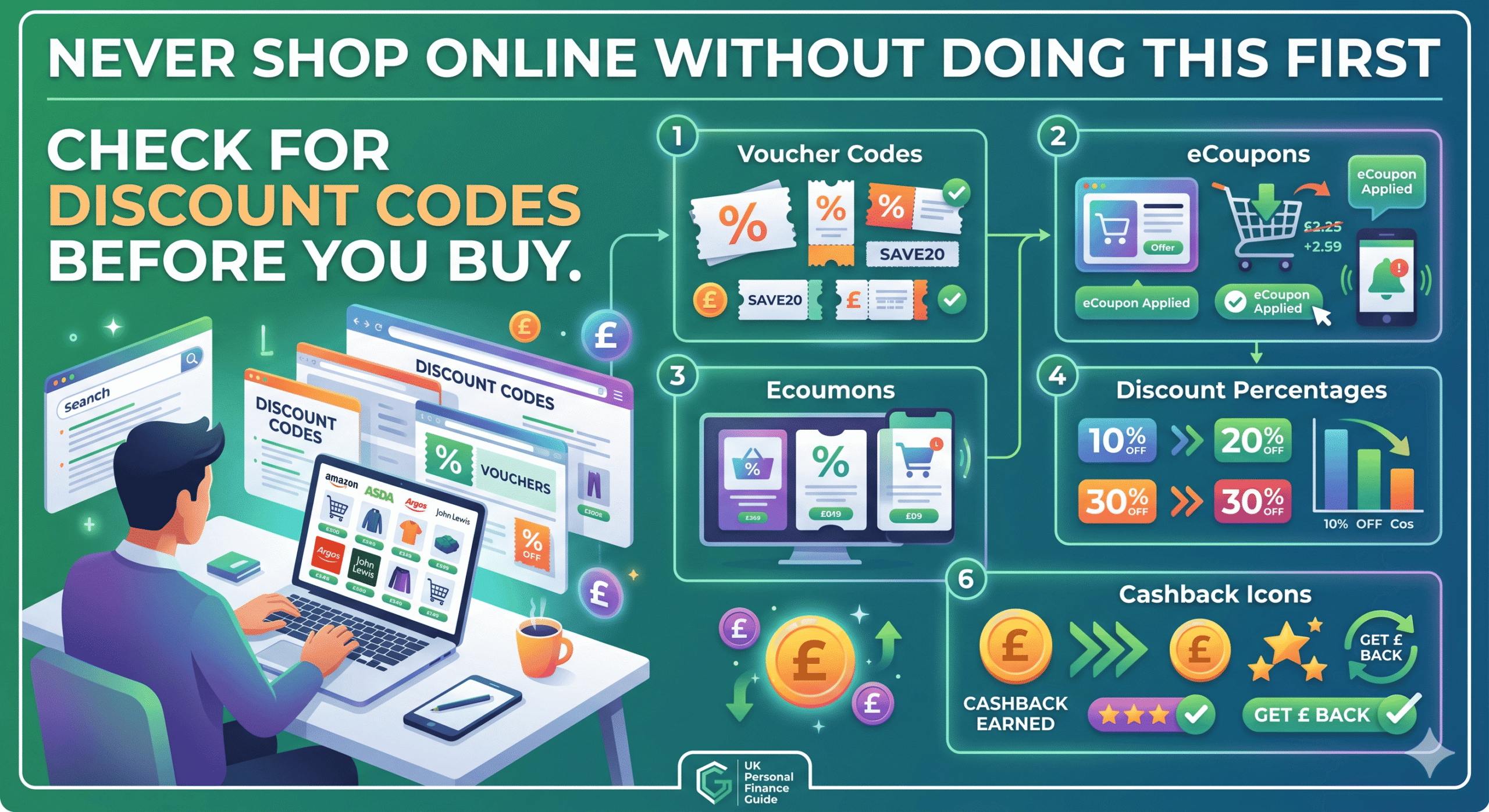
Searching for promo codes on generic aggregate sites is often a waste of time, as many listed codes are expired or "clickbait." Modern browser extensions have evolved to automate this process by testing hundreds of alphanumeric combinations in seconds during the checkout phase.
Extensions such as Honey (by PayPal), Capital One Shopping, and Rakuten are essential components of a 2026 shopping toolkit. These tools work by crowdsourcing successful codes from millions of users. Beyond just finding codes, some of these extensions now offer "price protection" features. If you buy an item and the price drops within a specific window (often 7 to 14 days), the extension can help you automate a request for a refund of the difference, depending on the retailer's policy.
3. Master the Strategic Abandoned Cart Technique
Retailers are highly motivated to "convert" a lead into a sale. If you have an account with a store and are logged in, adding items to your cart and then closing the tab—known as "cart abandonment"—often triggers an automated marketing sequence. In an effort to close the deal, the retailer’s system may email you a unique discount code within 24 to 48 hours.
This technique works best with mid-sized retailers and specialized boutiques rather than massive conglomerates. To maximize success:
- Log In: The retailer must know your email address to send the discount.
- Wait: Give the system at least two days to trigger the "We missed you" email.
- Check "Promotions": These emails often land in the promotions folder of your inbox.
- Limit High-Demand Items: This rarely works for items with extremely low stock or high demand, as the retailer knows someone else will buy it at full price.
4. Implement a "Cash-Back Stacking" System
One of the most effective ways to save money effortlessly in 2026 is "stacking"—applying multiple layers of savings to a single purchase. A typical stack involves using a rewards credit card, a cash-back shopping portal, and a manufacturer’s rebate.
For example, if you are buying a $1,000 laptop:
- Portal: Click through a site like Rakuten or TopCashback to earn 2% to 10% back.
- Credit Card: Use a card that offers 2% cash back on all purchases or 5% on "online shopping" categories.
- Store Loyalty: Ensure you are logged into the store's free loyalty program to earn points toward future purchases.
- Receipt Scanning: After the purchase, upload the digital receipt to apps like Fetch or Ibotta for additional fractional rewards.
By stacking these layers, a 10% total return on a high-ticket item is easily achievable, effectively lowering the purchase price after the fact.
5. Use VPNs and Incognito Browsing to Combat Dynamic Pricing
Retailers often use "price discrimination," a practice where different users are shown different prices for the same item based on their perceived "willingness to pay." Your IP address can signal your geographic location, and a "wealthier" zip code might occasionally see higher prices for luxury goods or travel services.
Before making a significant purchase—especially for airline tickets, hotel stays, or high-end electronics—clear your browser cookies or use an "Incognito" window. Furthermore, using a Virtual Private Network (VPN) to change your digital location to a different state or country can sometimes reveal lower pricing structures. According to Federal Trade Commission guidelines on online shopping, consumers should be aware of how their data is used to target them with specific offers and prices.
6. Purchase Discounted Digital Gift Cards
Before checking out at a major retailer, check secondary gift card markets such as Raise or CardCash. These platforms allow individuals to sell unwanted gift cards at a discount. You can often find gift cards for stores like Home Depot, Old Navy, or Starbucks at 3% to 15% below their face value.
In 2026, these platforms usually deliver codes instantly via email. If you are standing in a physical store or about to click "buy" online, you can purchase a $100 gift card for $92 and apply it immediately to your order. This provides an instant 8% discount that can be combined with existing coupons and cash-back portals.
7. Compare "New" vs. "Refurbished" and "Open-Box"
In 2026, the secondary market for electronics and appliances is more robust and regulated than ever. Buying "Certified Refurbished" or "Open-Box" items can save you 20% to 50% compared to brand-new inventory.
- Certified Refurbished: These items are returned to the manufacturer, inspected, repaired, and sold with a warranty (e.g., Apple Certified Refurbished or Amazon Resale).
- Open-Box: These are items that were returned by a customer who perhaps changed their mind or found the item didn't fit. They are usually functionally perfect but cannot be sold as "new."
| Tool Category | Best Used For | Savings Potential | Difficulty |
|---|---|---|---|
| Price Trackers | Long-term monitoring of electronics/appliances | 10% - 40% | Low (Set and forget) |
| Coupon Extensions | Instant checkout discounts on clothing/home goods | 5% - 20% | Very Low (Automatic) |
| Cash-Back Portals | Every purchase from major retailers | 2% - 15% | Low (One extra click) |
| Gift Card Markets | Known upcoming purchases at specific brands | 3% - 12% | Medium (Requires extra step) |
| Refurbished Markets | Tech, laptops, cameras, and small appliances | 20% - 50% | Medium (Check warranties) |
8. Leverage Social Media Deal Communities
The most "human" way to save money in 2026 is by tapping into community-driven deal platforms. Subreddits like r/buildapcsales or r/deals, as well as dedicated Telegram and Discord channels, are often the first to find "glitch deals" or extreme clearance events that automated tools might miss.
These communities are particularly useful for finding limited-time offers or "stackable" opportunities that require specific steps to execute. By setting up keyword alerts on apps like Slickdeals, you can receive a push notification the moment someone posts a deal matching your interests (e.g., "OLED TV" or "Espresso Machine").
9. Optimize Subscription Models and Sign-Up Bonuses
Many retailers offer a significant one-time discount (usually 10% to 20%) when you sign up for their email newsletter or SMS alerts. To keep your primary inbox clean, use a dedicated "shopping" email address for these sign-ups.
Additionally, evaluate "Subscribe and Save" models carefully. For household staples like detergent or pet food, these programs can offer 5% to 15% off. However, the "trap" is that prices can rise over time while you are on autopilot. In 2026, a smart shopper uses these subscriptions for the initial discount and then uses an AI tool to audit the prices monthly, canceling or switching brands if the subscription price exceeds the market average.
10. Understand Shipping and Return Logistics
Saving money isn't just about the purchase price; it's about avoiding hidden costs. In 2026, many retailers have moved away from "universal free shipping" due to rising logistics costs. Always check the free shipping threshold before adding items to your cart. Sometimes, adding a $2 "filler" item is cheaper than paying $10 for shipping.
Furthermore, be aware of "restocking fees" and "return shipping fees." A $50 dress is not a deal if it doesn't fit and costs $15 to send back. Favor retailers that offer "Buy Online, Pick Up In-Store" (BOPIS) to avoid shipping fees entirely, or those that provide free returns through consolidated drop-off points like Kohl's or FedEx Office.
Is online shopping safer in 2026 than in previous years?
While security protocols like multi-factor authentication (MFA) and biometric checkout are standard in 2026, the sophistication of "spoofing" sites has also increased. Always ensure you are on the official domain by checking the URL and using a password manager. Avoid clicking links from unsolicited SMS messages or emails, even if they appear to be from a legitimate retailer.
Do "Incognito" windows actually lower prices for everyone?
Not always. While Incognito mode prevents retailers from using your previous browsing history to inflate prices, it does not hide your IP address. To truly see "neutral" pricing, a combination of clearing cookies and using a VPN is more effective. However, for most general retail goods, a simple Incognito window is sufficient to bypass basic tracking-based price increases.
Are browser extensions for coupons safe for my privacy?
Most coupon extensions collect data on your shopping habits to provide their service. In 2026, privacy-conscious shoppers should review the "permissions" of any extension. If an extension requires access to "all data on all websites," it may be overreaching. Look for extensions that are transparent about their data usage and consider using a separate browser profile specifically for shopping.
What is the "best" day of the week to shop online?
While AI has made pricing more fluid, Sunday and Monday are historically the days when many retailers reset their weekly promotions. For travel and airline tickets, mid-week (Tuesday or Wednesday) remains a strong period for finding lower fares, as airlines often release sales on Tuesday mornings that competitors match by the afternoon.
How do I know if a "refurbished" item is worth the risk?
Check the "Grade" of the refurbishment. "Grade A" or "Excellent" typically means the item is indistinguishable from new. Crucially, look for a minimum 90-day warranty. Avoid "As-Is" listings on secondary marketplaces like eBay unless you are prepared to perform your own repairs, as these offer the least consumer protection.
Next Steps for Maximum Savings
To begin saving immediately, choose one upcoming purchase and apply the "Stacking" method. Start by checking a price tracker to see if the current price is a historical low. Then, navigate to the site through a cash-back portal, and finally, use a browser extension at checkout to hunt for any remaining promo codes. Establishing this three-step habit will ensure you never pay full retail price again in the 2026 e-commerce environment.