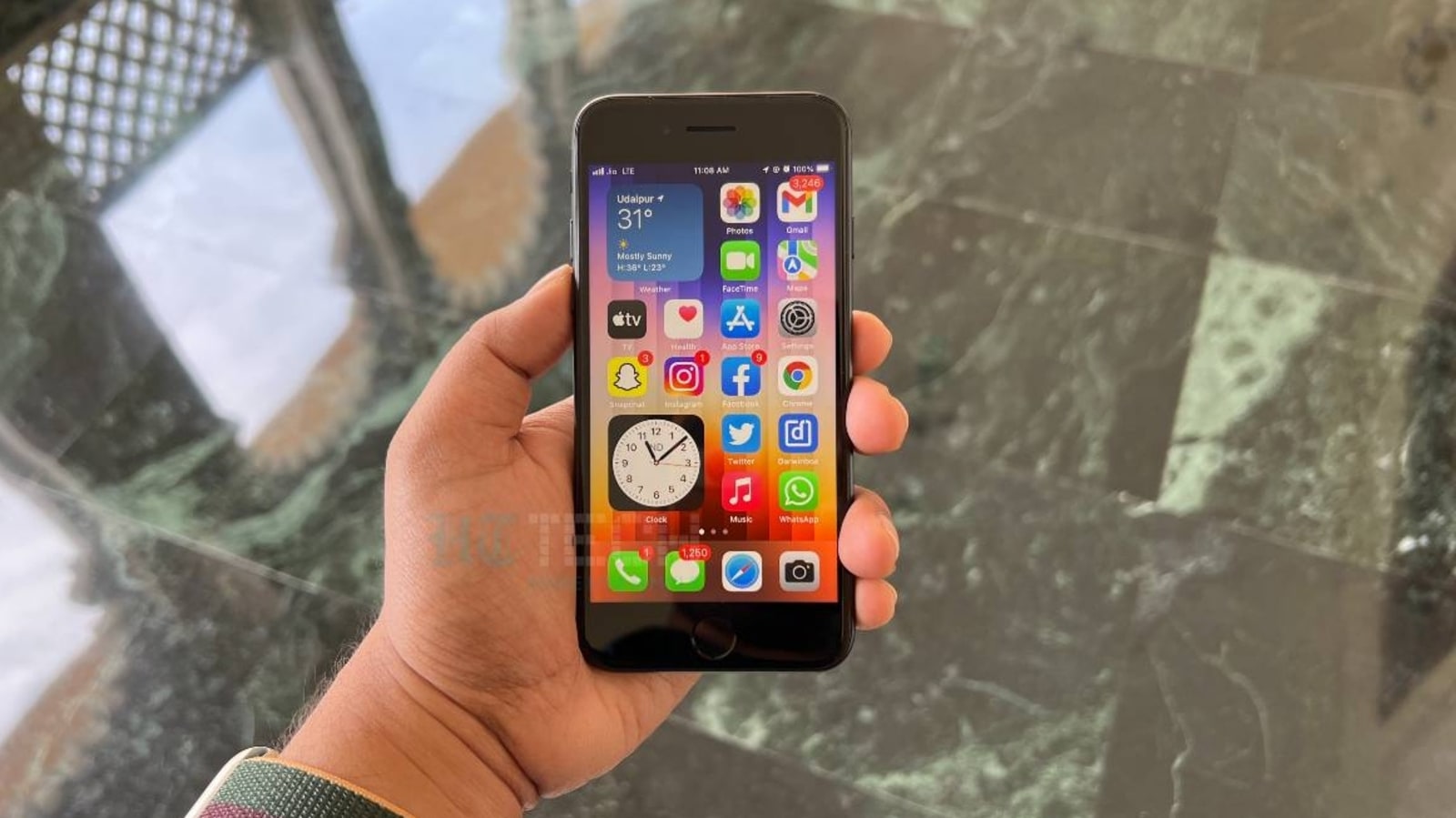
Looking back from 2026, the iPhone 15 series remains a pivotal milestone in Apple’s hardware evolution. It introduced the long-awaited transition to USB-C, the first-ever 3nm processor in a smartphone, and a controversial shift in materials that redefined Apple's sustainability roadmap. Understanding these facts reveals why this generation continues to influence smartphone design today.
1. The USB-C Transition Was More Than Just a Port Change
While the world initially focused on the death of the Lightning connector, the "shocking" reality was the massive performance gap between the standard and Pro models. The iPhone 15 and 15 Plus were equipped with USB 2.0 speeds, capped at 480 Mbps—the same speed as the original Lightning port from 2012. In contrast, the iPhone 15 Pro and Pro Max featured USB 3.0, allowing for transfer speeds up to 10 Gbps.
This discrepancy meant that professional videographers using the Pro models could record ProRes video directly to external SSDs, a feature that revolutionized mobile filmmaking. Furthermore, the transition was largely forced by European Union regulations, marking a rare moment where Apple’s proprietary ecosystem was successfully challenged by international law. This shift also enabled "reverse wired charging," allowing iPhone users to charge their AirPods or Apple Watch using their phone’s battery for the first time.
2. The A17 Pro Was the World’s First 3nm Smartphone Chip
In 2023, Apple jumped ahead of the entire semiconductor industry by utilizing TSMC’s 3-nanometer process for the A17 Pro chip. From our 2026 perspective, we can see how this move set the stage for the ultra-efficient AI processing we now take for granted. The "shock" at the time was the sheer transistor density—19 billion transistors—which allowed for hardware-accelerated ray tracing.
This technical leap enabled console-quality gaming on a handheld device. Titles like Resident Evil Village and Death Stranding were ported directly to the iPhone 15 Pro, a feat previously thought impossible without dedicated gaming hardware. However, this power came with initial thermal challenges; the chip's intensity, combined with the new titanium frame, led to widely reported overheating issues that required several iOS updates to mitigate through sophisticated thermal throttling and power management.
3. Titanium Grade 5: A Double-Edged Sword for Weight and Heat
The iPhone 15 Pro models introduced a Grade 5 titanium alloy frame, replacing the stainless steel used since the iPhone X. This resulted in a weight reduction of approximately 19 grams (about 9%), making the Pro Max significantly more comfortable for long-term use. Titanium is known for having one of the highest strength-to-weight ratios of any metal, but its thermal properties are different from steel and aluminum.
Titanium is a poorer thermal conductor than aluminum. To solve this, Apple engineered an internal substructure made of 100% recycled aluminum using a solid-state diffusion process to join the two metals. This "shocking" engineering feat allowed the phone to remain light while still attempting to dissipate heat from the A17 Pro chip. Despite this, early users found the phone's edges could become uncomfortably warm, a trade-off for the lighter, more premium-feeling chassis.
4. The 48MP Camera Sensor Finally Went Mainstream
For years, the standard iPhone models were stuck with 12MP primary sensors while the Pro models received the upgrades. The iPhone 15 changed this by bringing a 48MP main camera to the base models. This wasn't just about higher resolution; it introduced a "computational 2x Telephoto" zoom. By cropping the high-resolution sensor, Apple provided a middle-ground zoom level without the need for a dedicated third lens.
The default output also shifted to 24MP, using a process called pixel binning combined with high-detail image merging. This allowed for photos that had better dynamic range and low-light performance than the 12MP era, while keeping file sizes manageable. For average users, this was perhaps the most significant functional "shock," as the gap in photographic quality between the $799 model and the $1,100 model narrowed significantly.
5. The "FineWoven" Controversy and Sustainability Fails
In a move toward "Mother Nature" (Apple's 2030 carbon-neutral goal), Apple discontinued all leather accessories with the iPhone 15 launch, replacing them with a micro-twill material called FineWoven. This was one of the most polarizing "shocks" in Apple's history. While the environmental intent was praised, the real-world durability was heavily criticized.
Users found that the material scratched easily, absorbed oils from hands, and showed significant wear within just weeks of use. Many long-time Apple fans felt the "premium" price tag did not match the longevity of the product. This backlash was so severe that it influenced how Apple approached materials in subsequent years, leading to a pivot toward more durable recycled polymers. It remains a textbook example of the friction between aggressive sustainability goals and consumer expectations for luxury goods.
6. Repairability Improved Unexpectedly
Historically, iPhones were notoriously difficult to repair, often requiring the replacement of the entire chassis for a cracked back glass. The iPhone 15 Pro and Pro Max adopted a redesigned internal architecture—previously seen only on the standard iPhone 14—that made the back glass easily removable.
According to iFixit, this change reduced the cost of out-of-warranty back glass repairs from over $500 to under $200 for many users. This was a "shocking" win for the Right to Repair movement, as Apple rarely makes design changes that prioritize third-party or user-led repairs. This modularity also contributed to the iPhone 15's longevity, as seen here in 2026, where many units are still in circulation with replaced batteries and glass.
7. New Battery Health Controls and Cycle Counts
With the iPhone 15, Apple introduced a specific "80% Limit" charging option to preserve long-term battery health. While many modern EVs and laptops had this feature, it was a first for the iPhone. Additionally, Apple began displaying the exact battery cycle count in the settings menu, providing transparency that was previously only available through third-party desktop software.
These tools were "shocking" because they gave users the data needed to hold Apple accountable for battery degradation. By limiting the charge to 80%, users could significantly extend the lifespan of their lithium-ion cells, which is why we see so many iPhone 15 units in 2026 still maintaining 90%+ capacity.
8. Comparison of iPhone 15 Series Specifications
| Feature | iPhone 15 / 15 Plus | iPhone 15 Pro / Pro Max |
|---|---|---|
| Frame Material | Aluminum | Grade 5 Titanium |
| Processor | A16 Bionic (4nm) | A17 Pro (3nm) |
| USB Speed | USB 2.0 (480 Mbps) | USB 3.0 (10 Gbps) |
| Main Camera | 48MP (f/1.6) | 48MP (f/1.78, larger sensor) |
| Optical Zoom | 0.5x, 1x, 2x (Crop) | 0.5x, 1x, 2x, 3x or 5x (Tetraprism) |
| Display | 60Hz LTPS | 120Hz ProMotion LTPO |
| Action Button | No (Mute Switch) | Yes (Customizable) |
9. The Death of the Mute Switch for the Action Button
The Pro models saw the removal of the iconic Mute Switch, replaced by a haptic Action Button. While it seemed like a minor change, it opened a gateway for power users to automate their phones using the Shortcuts app. "Shockingly," people used this button for everything from launching ChatGPT to opening their Tesla trunks or starting voice memos.
This was a departure from Apple's traditionally rigid UI. By giving users a physical, programmable hardware button, Apple acknowledged that different users have different priorities. In 2026, the Action Button has become a standard feature across the entire lineup, but the iPhone 15 Pro was where this customization culture began.
10. Spatial Video and the Vision Pro Connection
The iPhone 15 Pro was the first consumer device capable of recording Spatial Video. By using the Main and Ultra Wide cameras simultaneously in a vertical orientation, the phone could capture 3D video intended for playback on the Apple Vision Pro.
At the time of launch, many viewed this as a niche feature for a $3,500 headset that few people owned. However, the "shock" was how forward-looking this was. As mixed-reality headsets became more affordable by 2026, those who recorded their memories on an iPhone 15 Pro are now able to relive them in immersive 3D, proving that Apple was building an ecosystem for the future long before the hardware was mainstream.
Why the iPhone 15 Matters in 2026
The iPhone 15 wasn't just an incremental update; it was a transitional device. It balanced the legacy of the "Lightning era" with the high-performance, open-standard future of USB-C and 3nm computing. While the FineWoven case might have been a misstep, the hardware improvements—especially in repairability and camera tech—ensured that this model remains a viable and popular choice in the secondary market today.
Frequently Asked Questions
Does the iPhone 15 still support the latest iOS in 2026?
Yes, the iPhone 15 and 15 Pro are fully compatible with the latest iOS releases in 2026. Given Apple’s historical support window of 6-7 years, these devices are expected to receive security updates and feature improvements until at least 2029 or 2030. The A17 Pro chip, in particular, remains powerful enough to handle modern AI-driven tasks.
Is the USB-C port on the base iPhone 15 slower than the Pro?
Yes, the base iPhone 15 and 15 Plus use the USB 2.0 standard, which caps data transfer speeds at 480 Mbps. If you frequently transfer large video files via cable, the Pro models (which support USB 3.0 at 10 Gbps) are significantly faster. However, for charging and basic data syncing, the difference is negligible for most users.
Did the overheating issues with the iPhone 15 ever get fixed?
Yes. Shortly after launch, Apple identified a bug in iOS 17 and issues with specific third-party apps (like Instagram and Uber) that caused the A17 Pro chip to work harder than necessary. A series of software updates optimized the thermal management system, and subsequent iOS versions have maintained a stable temperature profile for the device.
Can I use any USB-C cable with the iPhone 15?
Technically, yes, any high-quality USB-C cable will charge the device. However, to achieve the 10 Gbps transfer speeds on Pro models, you must use a cable that is rated for USB 3 or higher. Additionally, Apple recommends using MFi (Made for iPhone) certified cables or reputable brands to ensure safety and optimal charging speeds.
Is the FineWoven case really that bad?
From a 2026 perspective, FineWoven is generally considered a failed experiment. While the texture is soft, it does not heal from scratches like leather does, and it tends to stain permanently if it comes into contact with liquids or oils. Most users in 2026 prefer silicone, recycled plastic, or third-party vegan leather alternatives over the original FineWoven cases.
Final Recommendation for Buyers in 2026
If you are looking for a reliable, high-performing smartphone in 2026 without paying for the absolute latest flagship, the iPhone 15 Pro is the "sweet spot." Its 120Hz ProMotion display, titanium build, and 3nm chip make it nearly indistinguishable in daily performance from newer models. However, if you are buying a base iPhone 15, be aware of its 60Hz screen and slower USB speeds. Always check the battery cycle count in settings—one of the "shocks" we mentioned—to ensure you're getting a unit with plenty of life left.