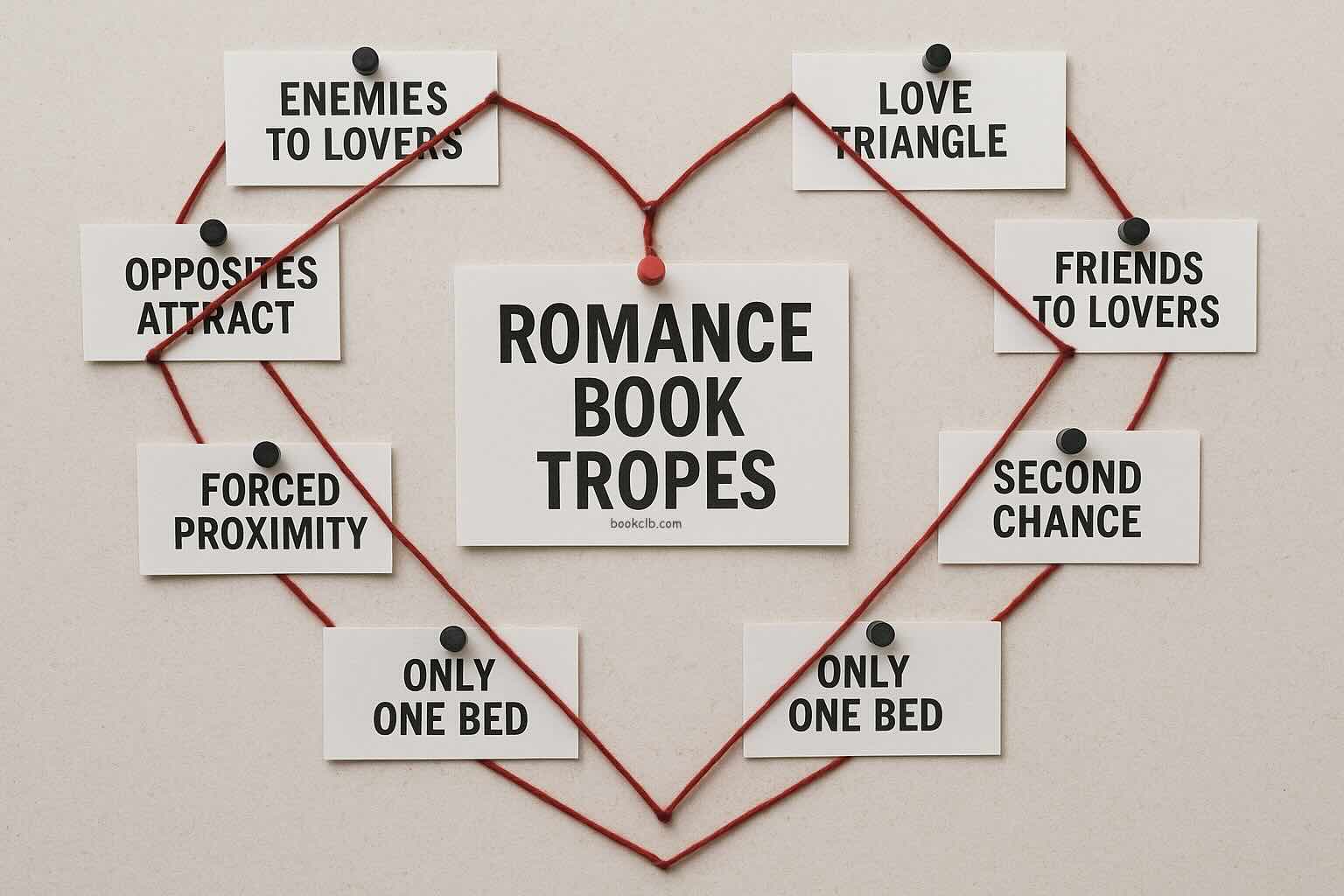
Romance tropes are the narrative building blocks that define the genre, offering readers a familiar framework for emotional exploration. While critics often label them as "overused" or "cliché," these recurring themes remain popular in 2026 because they provide a guaranteed emotional payoff and a sense of "comfort reading." They act as a shorthand for specific relationship dynamics that satisfy deep-seated psychological cravings for conflict, resolution, and intimacy.
The Psychology Behind Our Obsession with Tropes
To understand why "overused" tropes continue to dominate bestseller lists in 2026, one must look at the psychological concept of "schema." In literature, a schema is a mental framework that helps readers organize and interpret information. When a reader picks up an "Enemies to Lovers" novel, their brain recognizes the pattern, reducing the cognitive load required to understand the plot and allowing them to focus entirely on the emotional nuances and the "slow burn" tension.
Tropes are not a sign of lazy writing; rather, they are a promise made by the author to the reader. In a world where reality can be unpredictable, the romance genre offers a space where certain outcomes—specifically the "Happily Ever After" (HEA) or "Happily For Now" (HFN)—are guaranteed. This predictability is not a flaw but a feature. It allows readers to traverse high-stakes emotional territory, such as rejection, grief, or betrayal, with the safety net of knowing the eventual resolution will be positive.
Furthermore, the "secret love" for these tropes often stems from the variations authors bring to them. In 2026, we see a massive surge in trope subversion, where the foundational structure remains, but the character identities, settings, and power dynamics are modernized to reflect a more diverse and inclusive society.
1. Enemies to Lovers
The "Enemies to Lovers" trope is arguably the most resilient and beloved structure in the romance genre. It relies on a high-intensity emotional starting point—animosity—and transforms it into its polar opposite: passion. The appeal lies in the "thin line" between love and hate. This trope requires significant character development, as both protagonists must overcome their prejudices, past traumas, or conflicting goals to find common ground.
In modern 2026 iterations, this trope often moves beyond simple misunderstandings. We see it utilized in professional rivalries, political opposition, or deep-seated family feuds. The satisfaction comes from the "thaw"—the moment when the characters realize their "enemy" is the only person who truly understands their core self. The banter associated with this trope serves as a form of intellectual and emotional foreplay that readers find irresistible.
2. Grumpy x Sunshine
The "Grumpy x Sunshine" dynamic creates an immediate, compelling contrast between two characters. Usually, one protagonist is cynical, reserved, or world-weary (the Grumpy), while the other is optimistic, energetic, and resilient (the Sunshine). This trope works because it explores the idea that we are balanced by our opposites.
Readers secretly love this because of the "only for them" moments. There is a specific thrill in watching the "Grumpy" character, who is cold to the rest of the world, soften or crack a smile only for the "Sunshine" character. It validates the idea that being seen and loved for who you are can change your outlook on life. In recent years, authors have increasingly flipped the gender roles in this trope, presenting "Grumpy" heroines and "Sunshine" heroes, which has added a fresh layer of interest for the 2026 audience.
3. The Fake Relationship
Whether it is fake dating, a fake engagement, or a "marriage of convenience" for legal reasons, the fake relationship trope is a powerhouse of tension. It forces two people who might otherwise avoid each other into high-stakes, intimate situations. The core of the appeal is the "blurring of lines." Characters start with rules and boundaries, only to find that the "acting" feels more real than their actual lives.
This trope provides an excellent excuse for "forced proximity" (another favorite) and allows for the "public affection/private longing" dynamic. Readers enjoy the irony of characters telling themselves "it’s just for show" while the reader can see the genuine feelings developing. In 2026, this trope is often used to critique social or legal structures, such as immigration hurdles or inheritance laws, giving the "overused" plot a more grounded, contemporary feel.
4. Only One Bed
The "Only One Bed" trope is a classic example of a plot device that is logically improbable but emotionally essential. Usually a sub-trope of forced proximity, it occurs when characters are traveling or stranded and find that the only available accommodation has a single bed.
The appeal here is purely about physical and emotional vulnerability. It strips away the physical distance characters have maintained and forces them to confront their attraction in a confined space. The "Only One Bed" scenario is a catalyst for the "accidental touch" or the "midnight confession." While it may be a cliché, it remains a highly effective tool for breaking a stalemate in a slow-burn romance.
5. Forced Proximity
Forced proximity is the umbrella under which many other tropes live. It involves characters being trapped together—due to a snowstorm, a work project, a bodyguard assignment, or even a global travel delay. By removing the characters' ability to leave, the author accelerates the relationship timeline.
Readers love forced proximity because it strips away the "noise" of the outside world. It creates a pressure cooker environment where secrets are revealed and tensions reach a breaking point. In 2026, the trope has evolved to include "digital forced proximity," where characters might be forced to collaborate exclusively through virtual reality or isolated tech environments, proving that the physical element, while traditional, is not the only way to execute this trope successfully.
6. Friends to Lovers
While "Enemies to Lovers" provides high drama, "Friends to Lovers" provides the ultimate "comfort read." It focuses on the fear of losing a foundational relationship in exchange for a romantic one. The stakes are internal rather than external; the characters aren't fighting a villain, they are fighting their own fear of change.
The secret appeal of this trope is the "history." Readers enjoy the "he’s always loved her" or "she’s the only one who knows his past" revelations. It rewards the reader’s investment in a deep, pre-existing bond. In 2026, this trope often explores the "slow burn" to its absolute limit, sometimes spanning decades, which resonates with readers who value the longevity and stability of modern relationships.
7. Second Chance Romance
The "Second Chance" trope involves former lovers who were separated by time, circumstance, or a major mistake, finding their way back to each other. It is a trope rooted in the themes of maturity, forgiveness, and the "road not taken."
This trope is particularly popular with older readers or those who appreciate "seasoned" protagonists. It acknowledges that people change and that timing is often as important as chemistry. The emotional weight of the "lost years" adds a layer of poignancy that other tropes lack. It asks the question: "If you knew then what you know now, would you choose differently?"
8. Marriage of Convenience
In this trope, two characters marry for reasons other than love—usually financial gain, legal protection, or social standing—only to fall in love for real. While it may seem archaic, it remains a staple of both historical and contemporary romance.
The appeal lies in the "reverse courtship." Instead of dating and then marrying, the characters marry and then must learn how to be partners. It provides a unique structure for domestic intimacy and "forced" teamwork. In 2026, we see this trope used frequently in "corporate romance" or "political thrillers," where the marriage is a strategic alliance that becomes an emotional anchor.
9. The Secret Billionaire / Hidden Identity
The "Secret Billionaire" or "Hidden Identity" trope plays on the fantasy of being loved for one's true self, independent of status or wealth. It involves a character hiding their true identity (often power or money) to ensure their partner’s feelings are genuine.
While often criticized as being "escapist," that is precisely why readers love it. It offers a modern fairy-tale dynamic. The conflict usually arises when the truth is revealed, leading to a "betrayal of trust" arc that tests the strength of the relationship. This trope continues to perform well because it allows readers to indulge in the opulence of the "billionaire lifestyle" while maintaining a focus on emotional sincerity.
10. Heals the Hero (Caretaking)
The "Caretaking" trope, often colloquially called "Heals the Hero," occurs when one character is sick or injured and the other must care for them. This trope is a masterclass in vulnerability. It allows the "strong" or "stoic" character to be vulnerable and the "soft" character to show their strength.
The appeal of the caretaking trope is the physical and emotional intimacy of the act itself. It often includes the "fever dream confession" or the "watching them sleep" moment. It is an "overused" trope because it is one of the most effective ways to demonstrate love through action rather than words.
Comparing the Appeal of Common Tropes
The following table categorizes these tropes by their primary emotional driver and the specific satisfaction they provide to the reader.
| Trope Name | Primary Emotional Driver | Key Appeal | Modern (2026) Subversion |
|---|---|---|---|
| Enemies to Lovers | High Tension / Conflict | The "Thaw" of animosity | Professional/Moral rivalries |
| Grumpy x Sunshine | Personality Contrast | "Only for them" softening | Gender-flipped roles |
| Fake Relationship | External Pressure | Blurring of lines | Commentary on social laws |
| Only One Bed | Physical Vulnerability | Forced intimacy/proximity | VR/Digital isolation contexts |
| Friends to Lovers | Emotional Safety | Long-term history/trust | Platonic-first queer romance |
| Second Chance | Regret / Growth | Forgiveness and maturity | Older, "seasoned" protagonists |
| Marriage of Convenience | Strategic Necessity | Reverse courtship/domesticity | Corporate/Political alliances |
| Hidden Identity | Trust / Sincerity | Being loved for the "true self" | Social media/influencer masks |
The Role of Subversion in 2026 Romance
As we move through 2026, the conversation around "overused" tropes has shifted from "How do we avoid them?" to "How do we reinvent them?" Authors are increasingly using these familiar bones to house more complex and diverse stories. For example, the "Fake Dating" trope is being used to explore the nuances of a-romanticism, while "Enemies to Lovers" is being used to address systemic issues where the characters are on opposite sides of a social justice movement.
Subversion allows the reader to have their cake and eat it too: they get the comfort of the familiar structure but the intellectual stimulation of a new perspective. This is why tropes are not dying out; they are evolving. According to recent data from Goodreads, books tagged with multiple popular tropes consistently see 30% higher engagement than those that claim to be "trope-free."
Frequently Asked Questions
Why are tropes so important in the romance genre?
Tropes serve as a shorthand for readers, signaling the type of emotional experience they can expect. In the romance genre, where the ending (a happy one) is a requirement, the trope defines the path the characters take to get there. They provide a structural framework that allows authors to focus on character depth and emotional resonance.
Can a book have too many tropes?
While there is a risk of a book feeling cluttered, many successful 2026 romances are "trope-heavy." The key is integration. When tropes are layered naturally—such as a "Grumpy x Sunshine" couple forced into a "Fake Relationship" due to "Forced Proximity"—they can create a rich, multi-dimensional story. The problem arises only when tropes are used as a substitute for character development rather than a catalyst for it.
What is the difference between a trope and a cliché?
A trope is a storytelling tool or a recurring theme that is used to build a plot. A cliché is a specific expression or execution of that trope that has become so predictable and uninspired that it loses its impact. For example, "Enemies to Lovers" is a trope; "the hero and heroine are rivals at a bakery" is a premise; "they accidentally fall into each other’s arms and look into each other’s eyes for ten minutes" is often considered a cliché.
Are some tropes "problematic"?
Certain tropes, like "Stalker Romance" or some iterations of "Secret Billionaire," can sometimes border on unhealthy dynamics. However, the 2026 romance landscape is highly focused on "consent" and "agency." Modern authors often use these tropes to examine power imbalances and ensure that, despite the dramatic setup, the relationship is built on mutual respect and enthusiastic consent.
How do I find books with my favorite tropes?
Most modern book platforms and communities, such as Romance Writers of America, now use "trope tagging." You can search for specific keywords like "slow burn," "only one bed," or "enemies to lovers" on retail sites and community forums. This allows readers to curate their reading experience based on the specific emotional "vibe" they are seeking.
Navigating the Trope Landscape: A Practical Guide
To get the most out of trope-heavy romance, readers should look for authors who prioritize character interiority. A trope is only as good as the characters living it. When selecting your next read, consider whether the characters have motivations that exist outside of the trope. For instance, in a "Marriage of Convenience" story, does the heroine have a career, a hobby, or a personal goal that isn't just about the marriage?
Furthermore, don't be afraid to embrace the "overused" nature of these stories. The "secret love" readers have for these themes is shared by millions. These stories have endured because they speak to universal human experiences—the desire to be understood, the fear of being vulnerable, and the hope that love can overcome even the most significant obstacles. Whether it is the 100th "Only One Bed" story you have read or your first, the magic lies in the specific way these two characters find their way home to each other.