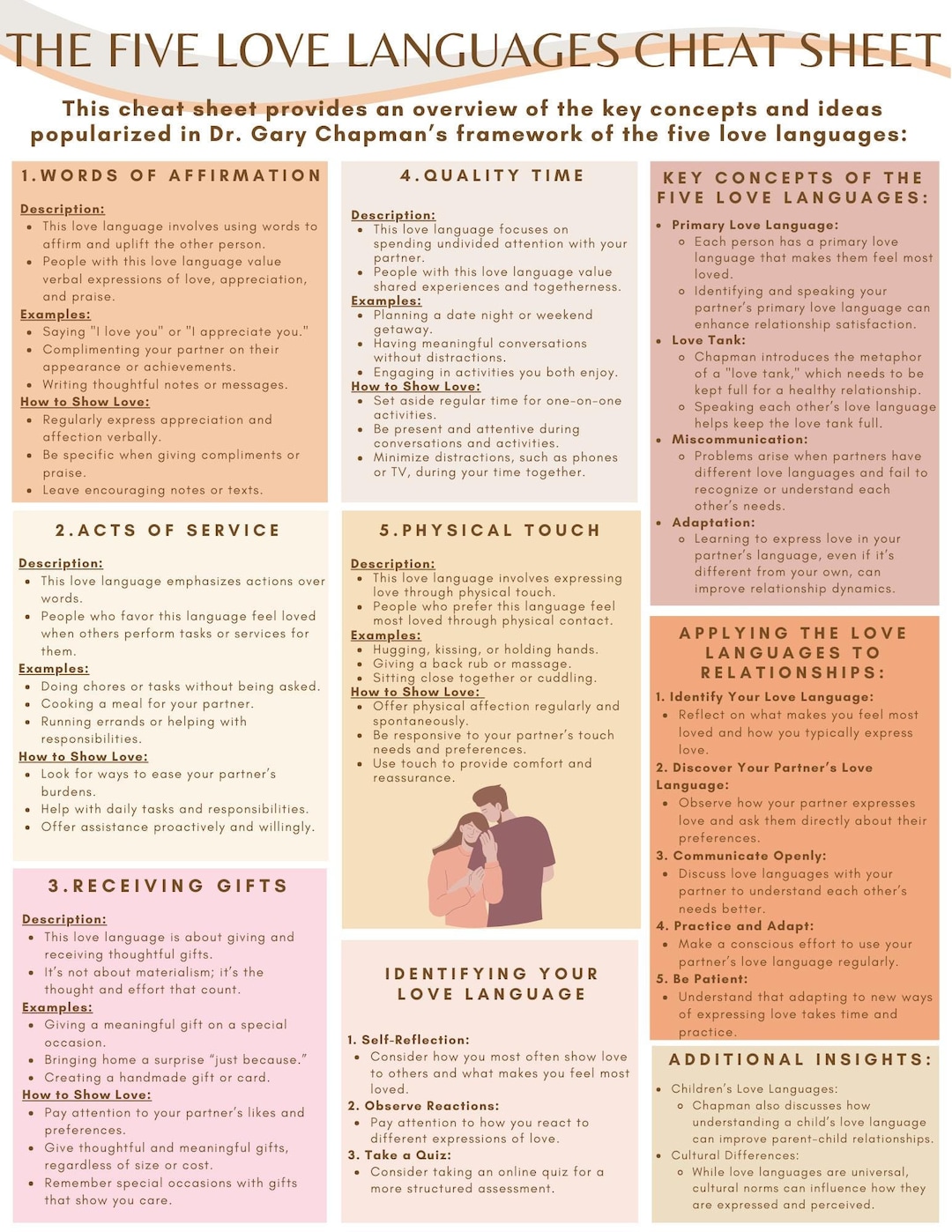
Understanding the 10 love languages allows individuals to identify exactly how they—and their partners—perceive affection and commitment. By identifying these specific communication styles, you can bridge emotional gaps, reduce misunderstandings, and foster a more resilient, fulfilling bond. Mastering this list involves transitioning from a "one-size-fits-all" approach to a tailored expression of care.
The Evolution of Emotional Connection Frameworks
For decades, the standard for understanding relational dynamics was rooted in the five primary love languages popularized by Dr. Gary Chapman in the 1990s. However, as we navigate 2026, the complexity of modern relationships—influenced by digital integration, neurodiversity, and a deeper understanding of psychological safety—has necessitated an expanded framework. Relationship experts now recognize that the original five categories, while foundational, often overlap or leave gaps in how we experience "belonging" in the modern era.
The transition from five to ten love languages does not negate the original work; rather, it provides a higher resolution for the nuances of human connection. We no longer just live in physical spaces; we live in digital, intellectual, and shared experiential spaces. Recognizing these additional channels is essential for anyone looking to master the art of love in a fast-paced, often fragmented society. By broadening the list, couples can move beyond surface-level gestures and address the core psychological needs that drive long-term stability and passion.
The Comprehensive 10 Love Languages List
To master the art of love, one must understand the distinct mechanics of these ten languages. Each represents a unique "frequency" of emotional transmission. If you are speaking "Acts of Service" while your partner is listening for "Intellectual Stimulation," the message of love is often lost in translation.
1. Words of Affirmation
This language focuses on spoken or written expressions of affection, praise, and appreciation. It is not merely about compliments; it is about recognizing the "why" behind your partner’s value. In 2026, this includes meaningful text messages, voice notes, and public acknowledgment of their achievements. For those with this primary language, a harsh word or a lack of verbal recognition can feel like an emotional withdrawal.
2. Acts of Service
For these individuals, "actions speak louder than words." This language is rooted in the easing of burdens. It involves performing tasks that you know your partner would appreciate, such as managing a difficult chore, handling the logistics of a trip, or taking over a responsibility when they are overwhelmed. The key is that these actions must be done with positivity and without being asked.
3. Receiving Gifts
Contrary to misconceptions, this language is not about materialism; it is about the "thoughtfulness" and the effort behind the gift. A gift is a visual representation of love—a tangible reminder that "they were thinking of me." Even small, handmade, or inexpensive items carry immense weight because they signify that the giver understands the recipient's tastes and needs.
4. Quality Time
Quality time is about giving someone your undivided attention. It is not simply sitting on the couch while both people are on their phones. It involves active engagement, eye contact, and meaningful conversation. In an era of constant distraction, the gift of presence is one of the most powerful ways to signal that your partner is your top priority.
5. Physical Touch
This language encompasses everything from holding hands and hugging to sexual intimacy. For these individuals, physical proximity and touch serve as their primary emotional "recharger." Without regular physical contact, they may feel isolated or unloved, even if all other languages are being spoken fluently.
6. Shared Experiences and Adventure
A modern expansion of Quality Time, this language focuses specifically on the "novelty" of doing new things together. For many, the bond is strengthened through shared growth, travel, or tackling a new hobby. The adrenaline and learning associated with new experiences create a unique "us-against-the-world" narrative that provides deep emotional fulfillment.
7. Emotional Safety and Validation
In 2026, many experts identify the "safe harbor" as a distinct love language. This involves providing a non-judgmental space for a partner to express their deepest fears and vulnerabilities. When you validate a partner's feelings—even if you don't agree with their perspective—you are speaking a language of profound security that allows love to flourish without the fear of rejection.
8. Intellectual Stimulation
For some, the way to the heart is through the mind. This language is spoken through deep debates, sharing interesting articles, or discussing complex philosophies. Feeling "seen" intellectually is a prerequisite for emotional intimacy for these individuals. They feel most loved when their partner respects their intellect and engages with their ideas.
9. Digital Connectivity and Presence
As our lives are increasingly lived online, how we interact in digital spaces has become a language of its own. This includes "tagging" a partner in relevant content, maintaining a consistent cadence of digital check-ins, or respecting "digital boundaries." For those who value this, a lack of digital engagement can feel like being ignored in the "real" world.
10. Practical Support and Stability
Distinct from "Acts of Service," this language focuses on long-term security. It is about being a reliable partner in financial planning, health management, and life logistics. People who speak this language feel loved when they know their future is secure and that their partner is a dependable co-pilot in the "business" of life.
Comparison of the 10 Love Languages
| Love Language | Core Need | Primary Expression | Common Pitfall |
|---|---|---|---|
| Words of Affirmation | Recognition | Verbal praise, notes | Criticism or silence |
| Acts of Service | Helpfulness | Doing chores, errands | Broken promises |
| Receiving Gifts | Thoughtfulness | Tangible tokens | Forgetting special dates |
| Quality Time | Connection | Focused conversation | Distractions/Phones |
| Physical Touch | Proximity | Hugs, intimacy | Long periods of distance |
| Shared Adventure | Growth | Travel, new hobbies | Stagnation/Routine |
| Emotional Safety | Vulnerability | Active listening | Dismissiveness |
| Intellectual Stim. | Respect | Deep discussion | "Small talk" only |
| Digital Presence | Consistency | Online engagement | Digital ghosting |
| Practical Stability | Security | Financial/Life planning | Irresponsibility |
How to Identify and Implement Your Language
Identifying your love language requires a mix of self-reflection and observation. Start by asking yourself: "When have I felt most loved in the last six months?" Conversely, look at what you complain about most frequently. If you often say, "You never help me around the house," your language is likely Acts of Service. If you feel hurt when a partner doesn't comment on your social media posts, you may value Digital Connectivity.
To implement this with a partner, follow these steps:
- Dual Assessment: Both partners should independently rank the 10 languages from 1 (most important) to 10 (least important).
- The "Gap Analysis": Compare your lists. Often, we give the language we wish to receive. If you are giving gifts but they want adventure, you are wasting emotional energy.
- Micro-Habits: Choose one language from your partner's top three and commit to one "micro-action" per day. This could be a 30-second hug (Physical Touch) or a quick text saying you're proud of them (Words of Affirmation).
- Feedback Loops: Every two weeks, check in. Ask, "On a scale of 1-10, how full is your love tank?" If it's low, identify which language has been missing.
Overcoming Obstacles in Love Language Fluency
One of the greatest challenges in mastering these languages is the "language barrier"—when two partners have diametrically opposed needs. For example, a person who values Intellectual Stimulation may find a partner who values Practical Stability to be "boring" or overly focused on logistics. To overcome this, you must treat your partner's language like a foreign tongue. You may not be a "natural" at gift-giving, but you can learn the mechanics of it through practice and observation.
Another obstacle is the "Fluctuation Factor." Our primary love language can shift based on life stages. During periods of high stress (such as a career change or a health crisis), a person who usually values Quality Time might suddenly need Practical Support or Emotional Safety above all else. Remaining fluid and maintaining an open dialogue about these shifts is the hallmark of a master of the art of love.
Are love languages scientifically proven?
The concept of love languages is a psychological framework rather than a rigid biological law. However, extensive clinical observation and relationship studies, such as those conducted by the Gottman Institute, support the idea that tailoring communication to a partner's specific emotional needs significantly increases relationship satisfaction and longevity.
Can someone have more than one love language?
Yes, most people have a primary and a secondary love language. It is also common for people to have different languages for "giving" and "receiving." For example, you might prefer to give gifts to show love but require Words of Affirmation to feel loved in return. Understanding this distinction is crucial for effective communication.
What if my partner's love language is something I find difficult to do?
Mastering the art of love often requires "stretching" outside your comfort zone. If your partner needs Words of Affirmation but you are a person of few words, you can use tools like journals or pre-written cards to bridge the gap. The effort you put into learning their "language" is, in itself, a powerful act of love.
How do digital love languages work in long-distance relationships?
In 2026, Digital Presence and Intellectual Stimulation are the lifeblood of long-distance connections. This involves "shared digital spaces," such as watching a movie simultaneously, engaging in deep-dive video calls, or using interactive apps that simulate proximity. These languages allow couples to maintain intimacy despite physical distance.
Can love languages be used in non-romantic relationships?
Absolutely. The principles of the 10 love languages apply to friendships, family dynamics, and even professional environments. Recognizing that a child needs Quality Time or a colleague values Words of Affirmation can improve the quality of almost any interpersonal connection.
Next Steps for Mastering Connection
To truly master the art of love, your next action should be a structured "Connection Audit." Set aside 30 minutes this week to discuss the 10 love languages list with your partner. Instead of just identifying your languages, create a "User Manual" for each other. Document three specific actions that make you feel loved and three things that make you feel neglected. By moving from abstract concepts to concrete behaviors, you transform the love languages from a theoretical list into a functional tool for lifelong intimacy.