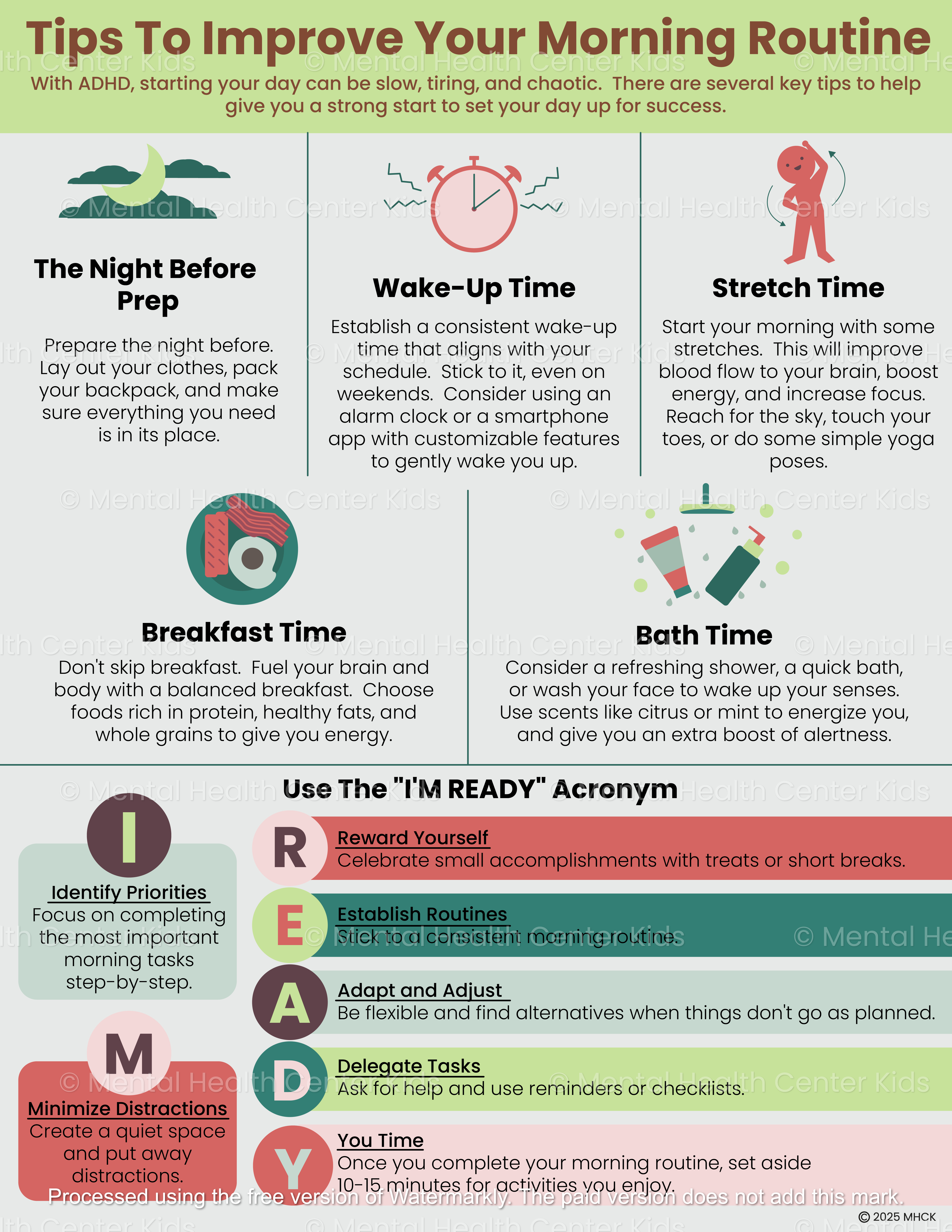
A successful morning routine establishes the physiological and psychological foundation for the next 16 hours of your day. By integrating evidence-based habits such as strategic hydration, sunlight exposure, and intentional deep work, you can optimize your circadian rhythm and cognitive performance. Transitioning from a reactive to a proactive morning is the most effective way to ensure sustained productivity and emotional resilience.
The Biological Foundation of a Productive Morning
Before implementing specific tips, it is crucial to understand that a morning routine is not merely a list of chores; it is a recalibration of your biological systems. As of 2026, chronobiology—the study of biological rhythms—has become a cornerstone of peak performance coaching. Your body relies on external cues, known as zeitgebers, to signal the transition from sleep to wakefulness. These cues regulate the production of cortisol (the "alertness" hormone) and the suppression of melatonin (the "sleep" hormone).
When you wake up, your core body temperature begins to rise, and your brain initiates a "clean-up" process following the night's glymphatic drainage. A poorly structured morning—characterized by immediate screen time or excessive caffeine—interrupts these natural processes, leading to mid-day crashes and cognitive fog. By aligning your habits with your biology, you reduce friction and maximize the energy available for your most demanding tasks.
1. Prioritize Rehydration Before Caffeine Consumption
After six to eight hours of sleep, the human body exists in a state of mild dehydration. Water is essential for every metabolic process, including the transport of oxygen to the brain. Many individuals reach for coffee immediately upon waking, which can be counterproductive. Caffeine is a diuretic and, more importantly, it interferes with the natural clearance of adenosine—a chemical that builds up in the brain to signal sleepiness.
Instead of immediate caffeine, drink 16 to 20 ounces of room-temperature water within the first 15 minutes of waking. Adding a pinch of high-quality sea salt or a squeeze of lemon can provide essential electrolytes like sodium and potassium, which facilitate cellular hydration. Waiting 60 to 90 minutes before your first cup of coffee allows your natural cortisol levels to peak and then begin their gradual decline, ensuring that the caffeine provides a genuine boost rather than merely masking a morning slump.
2. Seek Natural Sunlight Exposure Within 30 Minutes
Direct sunlight exposure is perhaps the most powerful tool for regulating the circadian clock. When photons hit the melanopsin-containing ganglion cells in the retina, they send a direct signal to the suprachiasmatic nucleus (SCN) in the brain. This signal triggers the timely release of cortisol and sets a "timer" for melatonin production approximately 12 to 14 hours later.
In 2026, health experts emphasize that "viewing" light through a window is significantly less effective than being outdoors, as glass filters out specific blue-light wavelengths necessary for this biological trigger. Aim for 10 to 20 minutes of outdoor light. On overcast days, you may need 30 minutes. If you live in a region with limited morning sun, using a high-intensity light therapy box (at least 10,000 lux) can serve as a viable clinical substitute to jumpstart your metabolic engine and improve mood.
3. Implement Low-Impact Movement or Mobility Work
You do not need an intensive 60-minute workout to "boost" your day; however, movement is essential for stimulating the lymphatic system and increasing blood flow to the prefrontal cortex. During sleep, the body can become stiff due to a lack of movement and the accumulation of inflammatory markers.
A routine consisting of five to ten minutes of dynamic stretching, yoga, or a brisk walk can significantly lower systemic inflammation. Focus on "opening" the body: hip flexor stretches, thoracic spine rotations, and lateral reaches. This physical activation signals to the nervous system that the period of rest is over, increasing your heart rate variability (HRV) and preparing you for the stressors of the workday.
4. Practice a 'Digital Fast' for the First Hour
Checking your smartphone immediately upon waking forces your brain into a "reactive" mode. By exposing yourself to emails, social media notifications, and news headlines, you are essentially allowing the external world's priorities to hijack your internal focus. This triggers an immediate dopamine-cortisol loop that can lead to increased anxiety and a fragmented attention span.
Establish a "no-phone" rule for the first 60 minutes of your day. This allows your brain to transition naturally from Alpha or Theta waves (associated with creativity and relaxation) into Beta waves (associated with active thinking). Use this time for reflection, reading, or connecting with family. Protecting your mental space in the morning preserves your "deep work" capacity for later in the day.
5. Consume a High-Protein, Nutrient-Dense Breakfast
While intermittent fasting remains popular in 2026, many individuals find that a high-protein breakfast provides the necessary amino acids to stabilize blood sugar and support neurotransmitter production. A breakfast rich in protein (25–30 grams) promotes the synthesis of dopamine and norepinephrine, which are critical for focus and motivation.
Avoid "highly processed" carbohydrates and sugary cereals, which cause a rapid glucose spike followed by an insulin-induced crash. Instead, opt for whole-food sources such as eggs, Greek yogurt, or a plant-based protein smoothie with healthy fats like avocado or walnuts. Stable blood sugar in the morning prevents the "brain fog" often experienced around 11:00 AM and reduces cravings for unhealthy snacks later in the afternoon.
6. Engage in Mindfulness or Intentional Breathing
Mental clarity is a skill that can be sharpened through daily practice. Spending just five minutes in meditation or practicing structured breathing (such as Box Breathing or the 4-7-8 technique) calms the sympathetic nervous system and activates the parasympathetic "rest and digest" branch.
This practice helps you build a buffer against stress. By observing your thoughts without judgment before the day begins, you develop the ability to respond to challenges with composure rather than reacting impulsively. In a high-speed professional environment, the ability to remain centered is a significant competitive advantage.
7. Identify Your 'Most Important Task' (MIT)
Productivity is often misconstrued as doing "more" things, but true productivity is doing the right things. Before you open your laptop, identify the one task that would make the day feel like a success if you accomplished nothing else. This is often referred to as "Eating the Frog."
Writing down your MIT helps clear "open loops" in your brain—unresolved tasks that drain cognitive energy. By committing to one primary objective, you give your day a clear sense of purpose. Research in behavioral psychology suggests that completing a difficult or significant task early in the morning creates a "winning streak" effect, boosting your confidence and momentum for subsequent activities.
8. Utilize Brief Cold Exposure Therapy
While uncomfortable, brief exposure to cold water—such as a 30-second to 2-minute cold shower—triggers a massive release of norepinephrine and endorphins. This "hormetic stress" strengthens the immune system and drastically increases alertness.
The physiological shock of the cold forces you to focus on your breath, which improves emotional regulation. Furthermore, regular cold exposure has been linked to improved metabolic health through the activation of "brown fat," which burns calories to generate heat. If a full cold shower is too daunting, simply splashing ice-cold water on your face can stimulate the vagus nerve and provide a similar, albeit smaller, neurological reset.
9. Dedicate Time to Micro-Learning or Inspiration
The morning is an ideal time for "input" before you are required to produce "output." Spending 15 minutes reading a non-fiction book, listening to an educational podcast, or studying a new language stimulates neuroplasticity.
This habit ensures that you are consistently growing, regardless of how busy your work schedule becomes. It shifts your mindset from "management" to "growth." As the brain is most receptive to new information shortly after waking, this period of micro-learning often results in better retention and the ability to connect disparate ideas creatively.
10. Prepare Your Environment the Evening Before
The success of your morning routine is largely determined the night before. Decision fatigue is a real phenomenon; the more choices you have to make in the morning (what to wear, what to eat, what to work on), the less mental energy you have for complex problem-solving.
Spend ten minutes each evening laying out your exercise clothes, packing your lunch, and tidying your workspace. This reduces the "activation energy" required to start your routine. By removing friction, you make the healthy choice the easy choice. This synergy between the evening and the morning creates a sustainable cycle of high performance.
Comparing Morning Routine Habits and Their Impacts
The following table summarizes the primary benefits and requirements for each tip to help you prioritize which to implement first.
| Habit | Primary Benefit | Time Required | Difficulty (1-5) |
|---|---|---|---|
| Hydration | Metabolic activation & mental clarity | 2 Minutes | 1 |
| Sunlight | Circadian rhythm regulation & mood | 10–20 Minutes | 2 |
| Movement | Lymphatic drainage & reduced stiffness | 5–15 Minutes | 2 |
| Digital Fast | Reduced anxiety & improved focus | 60 Minutes | 4 |
| High-Protein Breakfast | Blood sugar stability & satiety | 15 Minutes | 3 |
| Mindfulness | Stress resilience & emotional control | 5–10 Minutes | 3 |
| MIT Identification | Task prioritization & momentum | 5 Minutes | 2 |
| Cold Exposure | Dopamine spike & immune support | 1–3 Minutes | 5 |
| Micro-Learning | Skill acquisition & neuroplasticity | 15 Minutes | 2 |
| Evening Prep | Reduced decision fatigue | 10 Minutes | 2 |
Common Challenges and Implementation Strategies
Many people struggle to maintain a morning routine because they attempt to change too many habits at once. Habit stacking—a concept popularized by behavioral researchers—is the most effective way to ensure longevity. This involve pairing a new habit with an existing one. For example, "After I drink my morning water (existing habit), I will step outside for sunlight (new habit)."
Another common challenge is the "all or nothing" mentality. If you wake up late, you may feel tempted to abandon the entire routine. In these instances, utilize "versioning." If you don't have 20 minutes for yoga, do 2 minutes of stretching. If you don't have time for a full meditation, take five deep breaths while your tea steeps. Consistency is more important than duration when it comes to neurological conditioning.
Finally, ensure your environment supports your goals. If you want to avoid your phone, charge it in a different room. If you want to drink more water, place a glass on your nightstand before bed. By engineering your environment, you rely less on willpower and more on systematic design.
What is the single most important part of a morning routine?
While all tips are beneficial, natural sunlight exposure is widely considered the most important for biological regulation. It sets the master clock in your brain, which influences everything from your metabolism and mood to your sleep quality the following night. Without proper light signaling, other habits like exercise or diet may feel less effective because your body is essentially "out of sync."
How long does it take for a new morning routine to feel natural?
Current research suggests that it takes an average of 66 days to form a new habit, though this can range from 18 to 254 days depending on the complexity of the behavior. In the first two weeks, you will likely rely heavily on willpower. By the third week, the routine begins to feel more automatic as the neural pathways associated with these actions strengthen.
Can I drink tea instead of water for morning hydration?
Yes, herbal teas or green tea can contribute to your hydration goals, but plain water remains the gold standard for immediate rehydration. Green tea contains L-theanine, which can promote calm focus, but it also contains caffeine. If you choose tea, consider waiting at least 60 minutes after waking to avoid interfering with your natural cortisol peak, similar to the recommendation for coffee.
Is it better to exercise before or after breakfast?
This depends on your specific health goals. Exercising in a "fasted" state may increase fat oxidation for some individuals, while others find they perform better with a small amount of protein or carbohydrates in their system. For general energy and health, the most important factor is simply that the movement happens; the timing relative to breakfast is a secondary optimization that can be adjusted based on personal preference and digestive comfort.
How do I handle a morning routine when traveling?
Maintain the "pillars" of your routine rather than the specific details. You may not have your usual kitchen setup, but you can always find water and do five minutes of bodyweight movement in a hotel room. Seeking sunlight remains possible in almost any location. Carrying a "travel kit" with essentials like a sleep mask and a specific book can help provide the psychological cues your brain needs to maintain its rhythm despite a change in geography.
Practical Recommendation for Starting Today
To begin, do not attempt to implement all ten tips tomorrow. Select the three habits that address your biggest pain points—typically hydration, sunlight, and a digital fast. Commit to these for seven consecutive days. Once these feel manageable, "stack" one additional habit every two weeks. The goal is to build a sustainable lifestyle, not a temporary challenge. By the end of 2026, these small, incremental changes will have compounded into a significant improvement in your physical health and professional output.