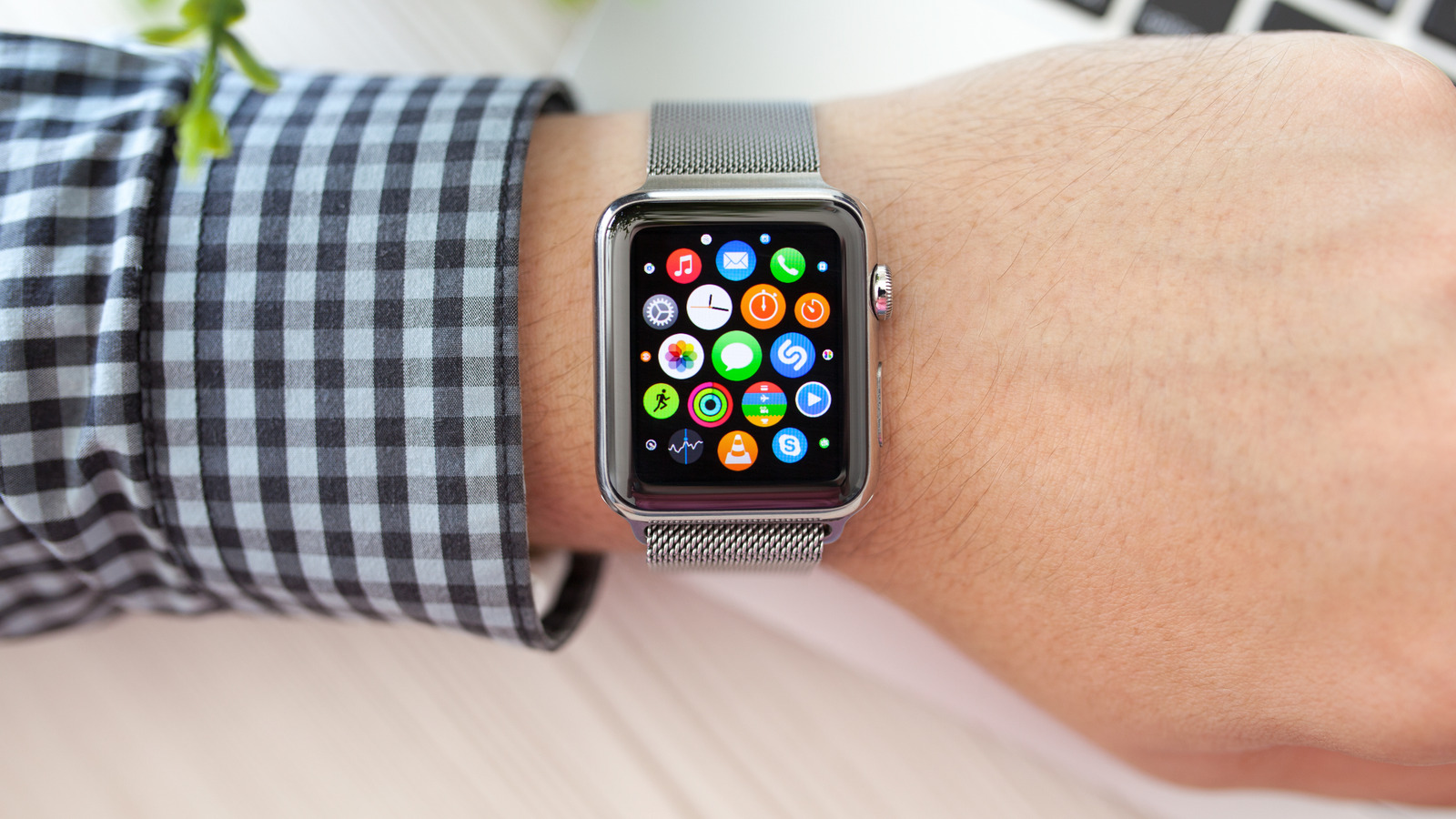
The 2000s introduced a suite of transformative inventions that shifted society from a desktop-tethered world to a mobile-first, hyper-connected reality. Iconic releases like the iPhone, the iPod, and Facebook fundamentally altered how we communicate, consume media, and navigate the globe, laying the essential groundwork for the digital infrastructure we use today in 2026.
The Evolution of Personal Media: The iPod and iPhone
The early 2000s were defined by a massive shift in how we carried our digital lives. Before this era, portable music was restricted to CDs or low-capacity MP3 players with clunky interfaces. The introduction of the Apple iPod in October 2001 changed the landscape by offering "1,000 songs in your pocket." It wasn't just the 5GB hard drive that mattered; it was the mechanical scroll wheel and the seamless integration with iTunes that made digital music management accessible to the masses. By the mid-2000s, the iPod had become a cultural icon, signaling the transition of the music industry from physical sales to digital downloads.
Following the success of the iPod, the iPhone arrived in June 2007, representing arguably the most significant hardware invention of the century. It consolidated a phone, an internet communicator, and a widescreen iPod into a single device with a multi-touch interface. What made the iPhone truly "game-changing" wasn't just its hardware, but the subsequent launch of the App Store in 2008. This created an entirely new economy, allowing developers to build software that could leverage GPS, accelerometers, and constant internet connectivity. In 2026, we look back at the original iPhone as the "Year Zero" for the modern smartphone era, which effectively ended the reign of physical keyboards on mobile devices and forced every other manufacturer to adapt or disappear.
Social Connectivity and the Birth of Modern Networking: Facebook and Skype
While the 1990s gave us the World Wide Web, the 2000s gave the web a human face. In February 2004, Facebook (originally TheFacebook) launched. While social networks like MySpace and Friendster existed, Facebook introduced a level of exclusivity and a "clean" user interface that eventually scaled to billions of users. It transitioned the internet from an anonymous playground into a digital reflection of our real-world identities. The introduction of the "News Feed" in 2006 was initially controversial, yet it became the blueprint for how information is consumed in 2026, shifting the internet from a "search" medium to a "discovery" medium.
Parallel to social networking was the revolution in telecommunications brought about by Skype in 2003. Utilizing Peer-to-Peer (P2P) technology, Skype made international voice and video calling virtually free for anyone with an internet connection. This disrupted the traditional telecommunications industry, which had long relied on expensive long-distance charges. Skype’s impact was so profound that it turned "Skype" into a verb, bridging the gap for long-distance families and paving the way for the remote work culture that would eventually become standard.
The Democratization of Knowledge and Media: Wikipedia and YouTube
The way we access and contribute to global knowledge underwent a radical transformation with the launch of Wikipedia in January 2001. Before Wikipedia, authoritative information was locked behind expensive, multi-volume print encyclopedias that were often outdated by the time they reached a bookshelf. Wikipedia’s "wiki" model allowed for real-time updates and collaborative editing. Despite early skepticism regarding its reliability, its citations and community-driven moderation proved that a decentralized, non-profit model could create the largest repository of human knowledge in history.
If Wikipedia democratized text, YouTube (2005) democratized video. Founded by three former PayPal employees, YouTube solved the technical nightmare of hosting and sharing video online. Before YouTube, viewing a video online required specific plugins like QuickTime or Windows Media Player. YouTube’s use of Adobe Flash (at the time) made video universal. Its acquisition by Google in 2006 for $1.65 billion proved the massive value of user-generated content. YouTube gave a platform to independent creators, leading to the "influencer" and "creator" economies that dominate the media landscape in 2026.
Digital Utility in Every Pocket: Google Maps and the Kindle
The 2000s also tackled the physical world through digital tools. Google Maps, launched in 2005, replaced the folded paper maps and printed MapQuest directions that had been staples of travel for decades. By acquiring companies like Keyhole (which became Google Earth), Google provided a seamless, searchable interface for the entire planet. The subsequent integration of real-time traffic data and Street View transformed navigation from a static reference into a dynamic assistant, fundamentally changing how businesses are found and how urban logistics operate.
For the literary world, the 2007 launch of the Amazon Kindle was the turning point for E-ink technology. While e-readers existed previously, the Kindle’s secret weapon was "Whispernet"—a free 3G cellular connection that allowed users to browse and download books in seconds without needing a computer. This convenience helped the Kindle succeed where others had failed, preserving the focus of a physical book while offering the capacity of a library. In 2026, the Kindle remains the benchmark for distraction-free digital reading, having successfully transitioned millions of readers away from paper without sacrificing the "book" experience.
Breaking Paradigms: The Nintendo Wii and Bitcoin
The 2000s were capped by two inventions that challenged the very nature of interaction and value. In 2006, the Nintendo Wii was released, featuring the Wii Remote. At a time when Sony and Microsoft were chasing high-definition graphics and complex controllers, Nintendo focused on motion-controlled accessibility. The Wii brought gaming to demographics previously ignored by the industry—seniors in assisted living and families who had never touched a console. It proved that "game-changing" tech didn't always need the most powerful processor; it needed the most intuitive interface.
Finally, as the decade closed, an anonymous figure named Satoshi Nakamoto released the Bitcoin whitepaper in late 2008, with the first block mined in January 2009. Bitcoin was the world's first successful decentralized digital currency, solved the "double-spend" problem without a central authority, and introduced Blockchain technology to the world. While its value has been volatile over the nearly two decades since, its invention sparked a total rethink of global finance, digital ownership, and the concept of "trustless" transactions that continues to evolve in our 2026 economy.
Comparison of 2000s Game-Changing Inventions
| Invention | Launch Year | Primary Impact | Status in 2026 |
|---|---|---|---|
| iPod | 2001 | Popularized digital music and the click-wheel interface. | Discontinued; legacy lives on in Apple Music/iPhone. |
| Wikipedia | 2001 | Democratized access to encyclopedic knowledge. | Remains the world's largest open-source knowledge base. |
| Skype | 2003 | Normalized free internet video and voice calling. | Integrated into Microsoft Teams/Enterprise ecosystems. |
| 2004 | Created the modern social media landscape. | Part of Meta; remains a dominant global social platform. | |
| YouTube | 2005 | Enabled universal user-generated video sharing. | Primary global video platform and search engine. |
| Google Maps | 2005 | Revolutionized digital navigation and local search. | Essential infrastructure for transport and logistics. |
| Nintendo Wii | 2006 | Introduced motion controls to the mainstream. | Collector's item; influenced all modern VR/AR inputs. |
| iPhone | 2007 | Invented the modern smartphone/app economy. | The blueprint for all modern mobile computing. |
| Amazon Kindle | 2007 | Made digital reading mainstream via E-ink. | Market leader in e-readers; features advanced haptics. |
| Bitcoin | 2009 | Launched the cryptocurrency and blockchain era. | Established as "digital gold" and a foundational asset. |
The Enduring Legacy of the 2000s Inventions
The inventions of the 2000s were not just gadgets; they were shifts in the human experience. They moved us from a world of "scarcity" (where you had to go to a library, buy a CD, or wait for a news broadcast) to a world of "abundance" and "immediacy." We loved these inventions because they granted us agency. The iPod gave us control over our soundtrack; the Wii gave us control over our movement; and YouTube gave us a global stage.
In 2026, the "newness" of these products has faded, but their DNA is present in every piece of technology we touch. The touch-based gestures we use on our smart glasses originated with the iPhone. The decentralized protocols we use for secure data were pioneered by Bitcoin. The way we verify facts mid-conversation is a direct result of Wikipedia’s 2001 launch. These inventions didn't just change the game; they rewrote the rulebook for the 21st century.
How did the App Store change the original iPhone's purpose?
Initially, Apple intended the iPhone to be a closed system with only web-based "Safari" apps. However, the 2008 launch of the App Store allowed third-party developers to access the phone's hardware. This transformed the iPhone from a simple communication device into a modular computer that could be a flashlight, a bank, a gaming console, or a navigation tool, depending on what software was installed.
Why is the Kindle considered more "game-changing" than earlier e-readers?
Earlier e-readers required users to connect the device to a PC via USB and manually transfer files, which was a significant barrier for non-technical users. The 2007 Kindle included "Whispernet," a built-in cellular connection that was free for the user. This allowed readers to buy and download a book in under 60 seconds from anywhere, making the digital experience finally as convenient as—or more convenient than—visiting a physical bookstore.
What made the Nintendo Wii different from the PlayStation 3 or Xbox 360?
While Sony and Microsoft focused on "hardcore" gamers with high-definition graphics and complex controllers, Nintendo focused on "Blue Ocean Strategy." By using motion-sensing technology, they made the interface intuitive; to play tennis, you simply swung the controller like a racket. This allowed non-gamers, children, and the elderly to participate, leading to the Wii outselling its more powerful competitors for much of the generation.
Is Bitcoin still considered an "invention" of the 2000s?
Yes. While its mainstream adoption occurred in the 2010s and 2020s, the conceptual invention (the whitepaper) was published in 2008, and the software was first released in January 2009. It represents the final major technological breakthrough of the decade, closing out the 2000s by introducing the concept of decentralized consensus.
How did Google Maps disrupt the GPS industry?
Before Google Maps became a mobile staple, companies like Garmin and TomTom sold dedicated GPS hardware for hundreds of dollars, often requiring paid map updates. Google provided high-quality maps and turn-by-turn navigation for free on smartphones. This essentially erased the market for dedicated consumer GPS devices and forced the industry to pivot toward specialized fleet management and professional logistics.
Preserving Your Digital History from the 2000s
As we move further into the 2020s, much of the hardware from the 2000s is reaching the end of its functional life. To preserve the "game-changing" tech you loved, consider the following actions:
- Battery Maintenance: If you still own an original iPod or iPhone, remove or replace the lithium-ion batteries. Old batteries can swell and leak, destroying the internal circuitry.
- Digital Backups: Services like Google Photos or Flickr (another 2000s staple) are great, but ensure you have "cold storage" (physical hard drives) for photos and videos uploaded during the early social media era, as platforms can change their terms of service or compression algorithms.
- Legacy Hardware: For devices like the Wii, consider using component cables or HDMI adapters to ensure they remain compatible with 2026-era display standards, as original analog connections are increasingly rare on modern screens.