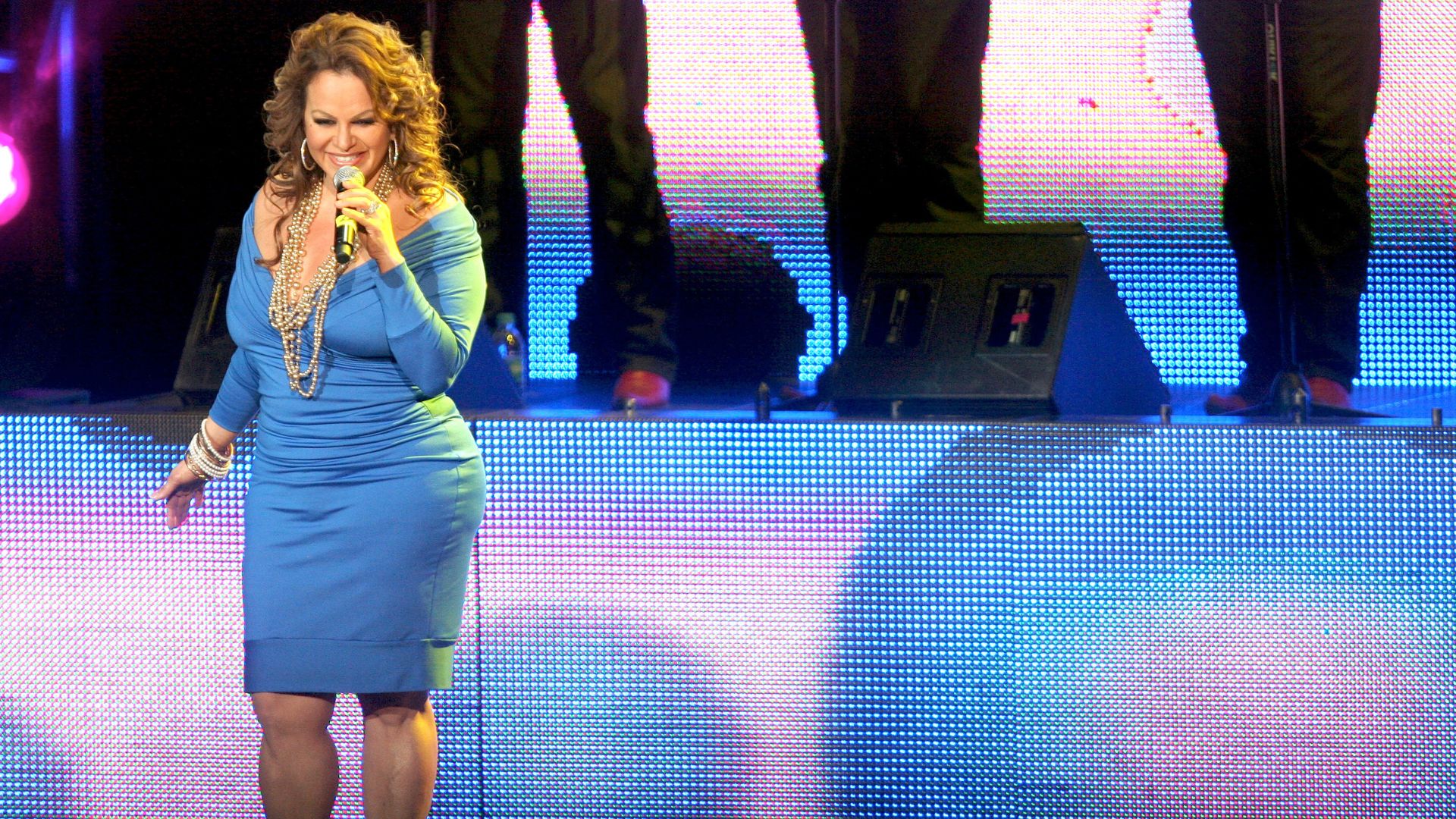
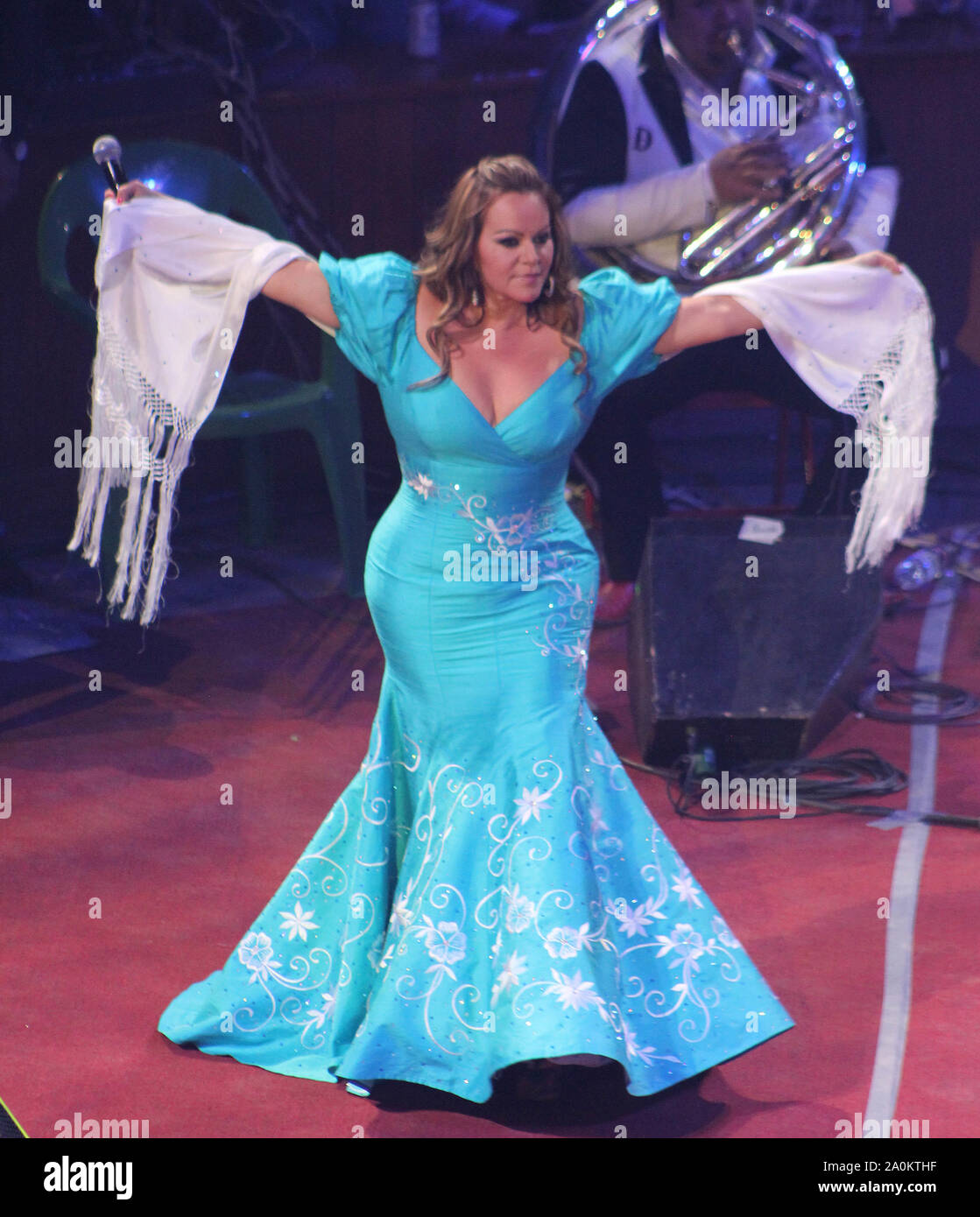
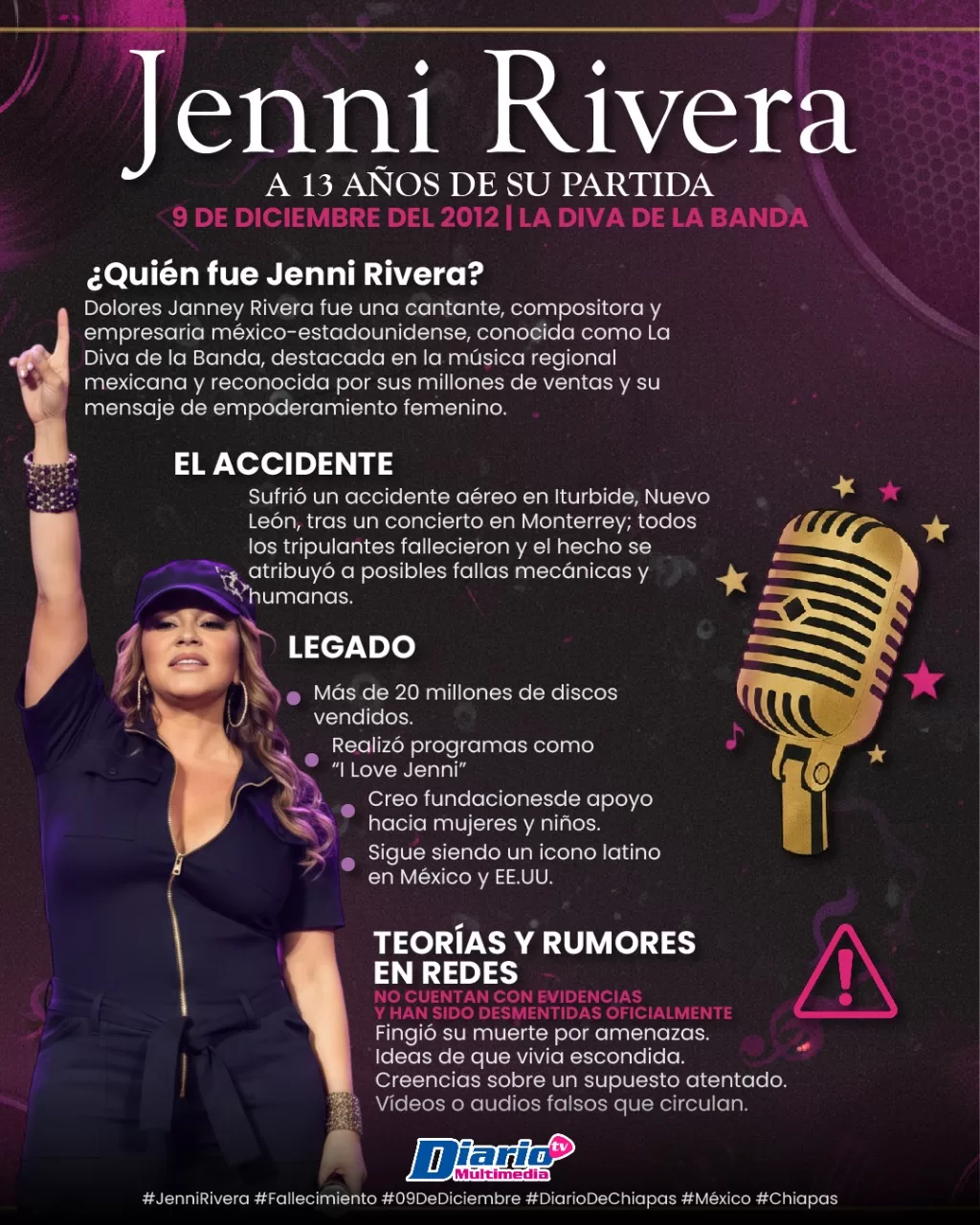
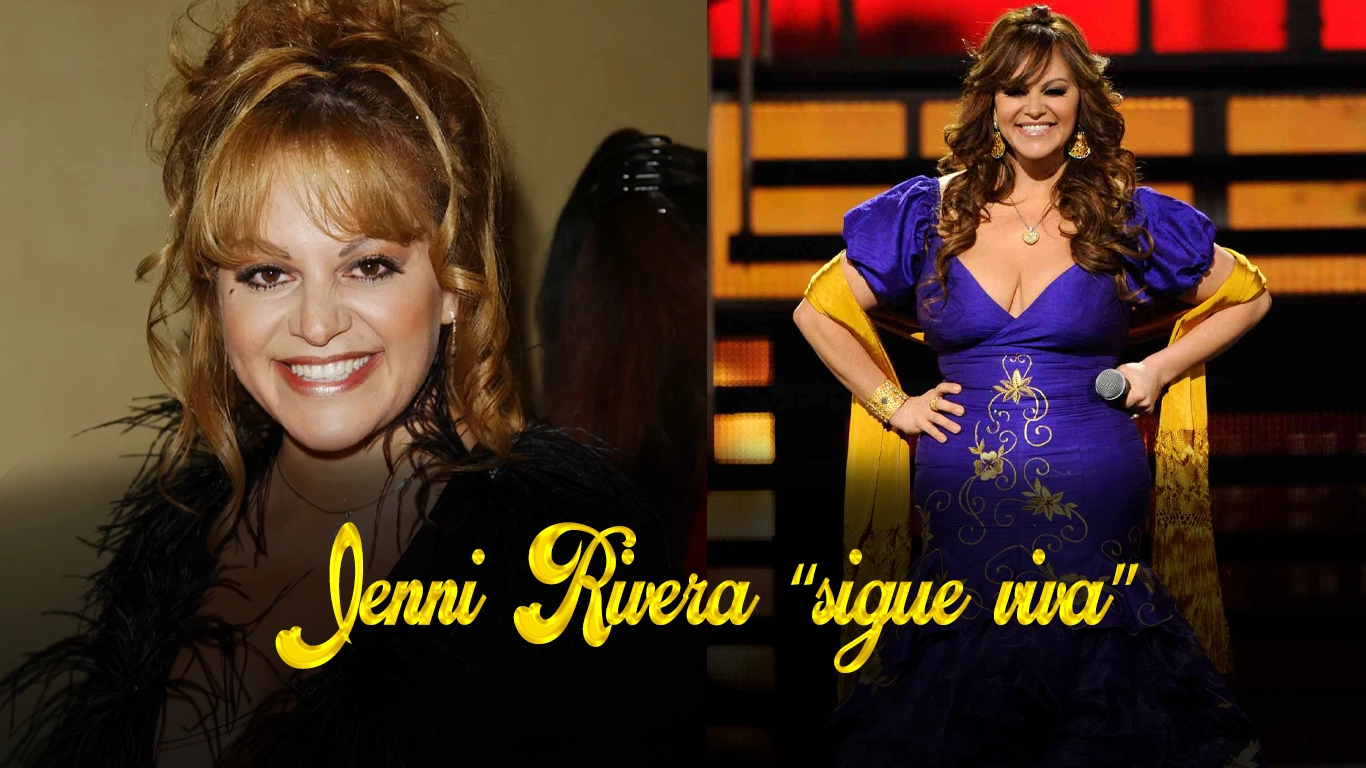
Jenni Rivera, known as "La Diva de la Banda," was a trailblazing Mexican-American singer, entrepreneur, and activist who revolutionized the Regional Mexican music scene. Born in Long Beach, California, she became the first female artist to dominate the banda and norteño genres, selling millions of albums and advocating for women's rights through her lyrics and foundation.
1. She Held a Degree in Business Administration
While many fans recognize her for her powerful vocals and stage presence, Jenni Rivera was also a highly educated professional. Before her music career took off, she prioritized her education, graduating from California State University, Long Beach, with a degree in Business Administration with a concentration in Real Estate.
This academic background was not merely a fallback plan; it served as the foundation for her later success as a mogul. Rivera worked in the real estate industry for several years, helping families find homes and learning the intricacies of contracts and financial management. This business acumen allowed her to maintain creative and financial control over her brand once she entered the music industry, a rare feat for many artists in the 1990s. Her ability to negotiate and manage her own business interests earned her the nickname "The CEO of her own life" long before she was officially crowned the Diva of Banda.
2. Her Musical Start Began in a Family Record Label
Jenni Rivera did not initially set out to be a singer. Her entry into the recording booth was largely a result of her family’s deep involvement in the music industry. Her father, Pedro Rivera, founded Cintas Acuario, an independent record label that became a powerhouse for Regional Mexican music.
In the early 1990s, Jenni worked at the label behind the scenes, handling administrative tasks and marketing for other artists, including her brother Lupillo Rivera. Her first recordings were actually intended as a Father’s Day gift for her dad. However, her unique voice—unfiltered, powerful, and raw—caught the attention of listeners who were hungry for a female perspective in a genre that was overwhelmingly male-dominated. This organic transition from business operator to performer allowed her to understand the industry from both the production and the performance sides.
3. She Shattered the Gender Barrier in Banda Music
Before Jenni Rivera’s rise to fame, the Banda and Norteño genres were considered "macho" territories. Very few women had found sustained success, and those who did often had to conform to traditional, softer images. Jenni changed the narrative by embracing a persona that was bold, outspoken, and unapologetically feminine yet "tough."
She sang about topics that were previously considered taboo for women in Latin music, including infidelity, domestic struggles, and female empowerment. By addressing these issues head-on, she built a massive, loyal following among women who felt represented by her lyrics. In 2011, she became the first female artist to sell out the Staples Center (now known as the Crypto.com Arena) in Los Angeles, proving that a woman could headline major venues in a genre previously reserved for men.
4. Jenni Rivera was a Pioneer of Reality Television
Long before the current explosion of celebrity docuseries, Jenni Rivera was a pioneer in the reality TV space. She recognized the power of television to connect with her audience on a personal level. Her show, I Love Jenni, which aired on the mun2 network (now Universo), was a massive hit that gave fans an intimate look at her life as a mother, grandmother, and businesswoman.
The show was revolutionary because it bypassed the polished image of a superstar to show the "real" Jenni—struggling with family drama, managing her children’s lives, and dealing with the pressures of fame. This transparency cemented her status as "La Gran Señora" (The Great Lady) of the community. Her success in this medium paved the way for other Latin-focused reality programming and demonstrated the immense buying power and interest of the bicultural, bilingual audience in the United States.
5. Her Philanthropy Focused on Domestic Violence Survivors
Beyond the glitz and glamour of the stage, Jenni Rivera was a dedicated activist. Having survived domestic violence and sexual assault in her own life, she used her platform to support other victims. She established the Jenni Rivera Love Foundation, a non-profit organization dedicated to providing support, resources, and refuge for women and children who have suffered from abuse.
Her commitment to this cause was deeply personal. She often visited shelters and spoke at events to raise awareness about the "silent epidemic" of domestic violence in the Latino community. Even in 2026, her foundation continues to operate, funded by her estate and ongoing donations from fans, serving as a vital part of her lasting legacy. She didn’t just sing about being a "strong woman"; she actively worked to provide other women with the tools to become strong themselves.
Comparison of Jenni Rivera’s Business and Media Entities
The following table outlines the diverse portfolio Jenni Rivera managed, showcasing her "Diva of Business" persona.
| Entity Name | Primary Industry | Impact / Purpose |
|---|---|---|
| Jenni Rivera Enterprises | Management/Production | Managed her music rights, TV production, and image. |
| Jenni Rivera Love Foundation | Philanthropy | Support for victims of domestic violence and sexual abuse. |
| Divina Realty | Real Estate | Her early professional career focusing on California property. |
| Jenni Rivera Fashion | Retail | Clothing and fragrance line designed for curvy women. |
| Cintas Acuario | Music Production | Her father's label where she started her career. |
6. She Was a "Young Grandmother" and Proud of It
Jenni Rivera often spoke about her life as a young mother, having her first child, Chiquis, while still in high school. While some might have viewed this as a setback, Jenni embraced her role as a matriarch. She became a grandmother at a relatively young age, and she wore that title with immense pride.
In her music and her reality show, she frequently mentioned her grandchildren, breaking the stereotype that a "Diva" had to remain perpetually youthful or unattached. She showed that a woman could be a sex symbol, a powerful executive, and a doting grandmother all at once. This relatability was a key factor in her "Diva" status; she wasn't an untouchable icon, but rather a "neighborhood girl" who had made it big but never forgot her family roots.
7. She Was an Accomplished Actress and Producer
While music was her primary medium, Jenni Rivera had a growing career in Hollywood. She made a significant impact with her role in the independent film Filly Brown (2012), where she played a mother in prison. Her performance received critical acclaim, proving that her emotional range extended far beyond the recording studio.
As a producer, she was involved in the development of various projects through her company, Jenni Rivera Enterprises. She was constantly looking for ways to tell stories that reflected the Mexican-American experience. At the time of her tragic passing, she was in talks for several more acting roles and had expressed a desire to move further into film production to create more opportunities for Latino talent in the United States.
8. Her Posthumous Star on the Hollywood Walk of Fame
Although she achieved incredible success during her lifetime, the official recognition from Hollywood continued long after her death. In June 2024, Jenni Rivera was posthumously honored with a star on the Hollywood Walk of Fame. This event was a major milestone for her family and her fans (the "Jenni-ites").
The star is located at 1750 North Vine Street, right in front of the iconic Capitol Records Building. This honor solidified her place among the legends of American and Mexican entertainment. The ceremony was attended by her children and thousands of fans, many of whom wore purple—her favorite color—to celebrate her life. The induction served as a reminder that her influence has not waned in the years since her passing in 2012.
9. She Published a Best-Selling Memoir
Jenni Rivera was a storyteller, and she wanted to ensure her life story was told in her own words. Before her death, she had been working on her memoir, titled Unbreakable: My Story, My Way. The book was released posthumously in July 2013 and quickly became a New York Times bestseller.
The memoir is notable for its raw honesty. It covers her struggles with poverty, her complicated relationship with her family, the abuse she suffered, and her eventual rise to the top of the music charts. By sharing her vulnerabilities so openly, she created a blueprint for resilience that continues to inspire readers. The book remains a staple in Latino literature, often cited as a definitive account of the immigrant and first-generation American experience.
10. Her Connection to Long Beach, California
Despite her international fame, Jenni Rivera remained deeply connected to her hometown of Long Beach, California. She frequently referenced "The LBC" in her music and interviews. In 2015, the city of Long Beach dedicated the "Jenni Rivera Memorial Park" in her honor.
The park features a 125-foot long mural of the singer, depicting various stages of her life and career. This local tribute is significant because it recognizes her not just as a global superstar, but as a local girl who stayed true to her roots. Fans from around the world still travel to Long Beach to visit the mural and pay their respects, making it a site of cultural pilgrimage for the Regional Mexican music community.
Frequently Asked Questions
What was Jenni Rivera's most famous song?
While she had many hits, "Basta Ya" is often cited as her most iconic song. It became a powerhouse anthem for women seeking to end toxic relationships. Other notable tracks include "Inolvidable," "La Gran Señora," and "A Cambio de Qué." Her music often blended traditional banda instrumentation with lyrics that reflected modern emotional struggles.
How many children did Jenni Rivera have?
Jenni Rivera had five children: Chiquis, Jacqie, Michael, Jenicka, and Johnny. Her children have remained in the public eye, with many of them pursuing careers in music, business, and reality television to carry on their mother’s legacy and manage her extensive estate.
When did Jenni Rivera receive her star on the Hollywood Walk of Fame?
Jenni Rivera was officially inducted into the Hollywood Walk of Fame on June 27, 2024. The ceremony was a significant cultural event that drew thousands of fans to Hollywood Boulevard, celebrating her contributions to music and her role as a cultural icon for the Latino community.
What is the Jenni Rivera Love Foundation?
The Jenni Rivera Love Foundation is a non-profit organization founded by the singer to help women and children who are victims of domestic violence and abuse. The foundation provides housing, financial assistance, and counseling services. It remains one of the most important aspects of her legacy, continuing to operate today.
How did Jenni Rivera influence the Regional Mexican genre?
Jenni Rivera influenced the genre by introducing a female perspective into a historically male-dominated space. She used her music to discuss social issues, female independence, and personal resilience. Her success proved that there was a massive market for female-led banda music, opening doors for subsequent generations of female artists in the industry.
Preserving the Legacy of La Diva de la Banda
For fans and newcomers alike, the best way to honor Jenni Rivera's legacy is to support her foundation and engage with her body of work. Her music is widely available on all major streaming platforms, and her memoir Unbreakable remains an essential read for understanding her journey. In 2026, her influence is felt not just in music, but in the dozens of Latina artists and entrepreneurs who cite her as their primary inspiration for breaking barriers and owning their narratives.