Bob Ross remains a global cultural icon, celebrated for his gentle demeanor, "happy little trees," and the "wet-on-wet" oil painting technique. While known as the host of PBS’s The Joy of Painting, his life involved a strict military career, a business empire built on free labor, and a posthumous digital resurgence that continues to inspire millions in 2026.
1. The Military Origins of the "Happy Tree" Philosophy
Before becoming the world’s most famous art instructor, Bob Ross spent 20 years in the United States Air Force. Enlisting at age 18, he eventually rose to the rank of Master Sergeant. Much of his service was spent at Eielson Air Force Base in Alaska, a location that profoundly influenced his artistic output. The majestic, snow-capped mountains and towering evergreens that became staples of his work were inspired by the Alaskan wilderness he observed daily.
The gentle, soft-spoken persona Ross displayed on television was a direct reaction to his military experience. As a First Sergeant, he was often required to be "the guy who makes you scrub the latrine, the guy who makes you make your bed, the guy who screams at you for being late to work." Ross reportedly grew tired of the confrontation and aggression required by his rank. Upon retiring from the Air Force in 1981, he famously vowed never to scream again, leading to the tranquil, meditative tone that would later define his broadcasting career.
2. The Truth Behind the Iconic Perm and Branding
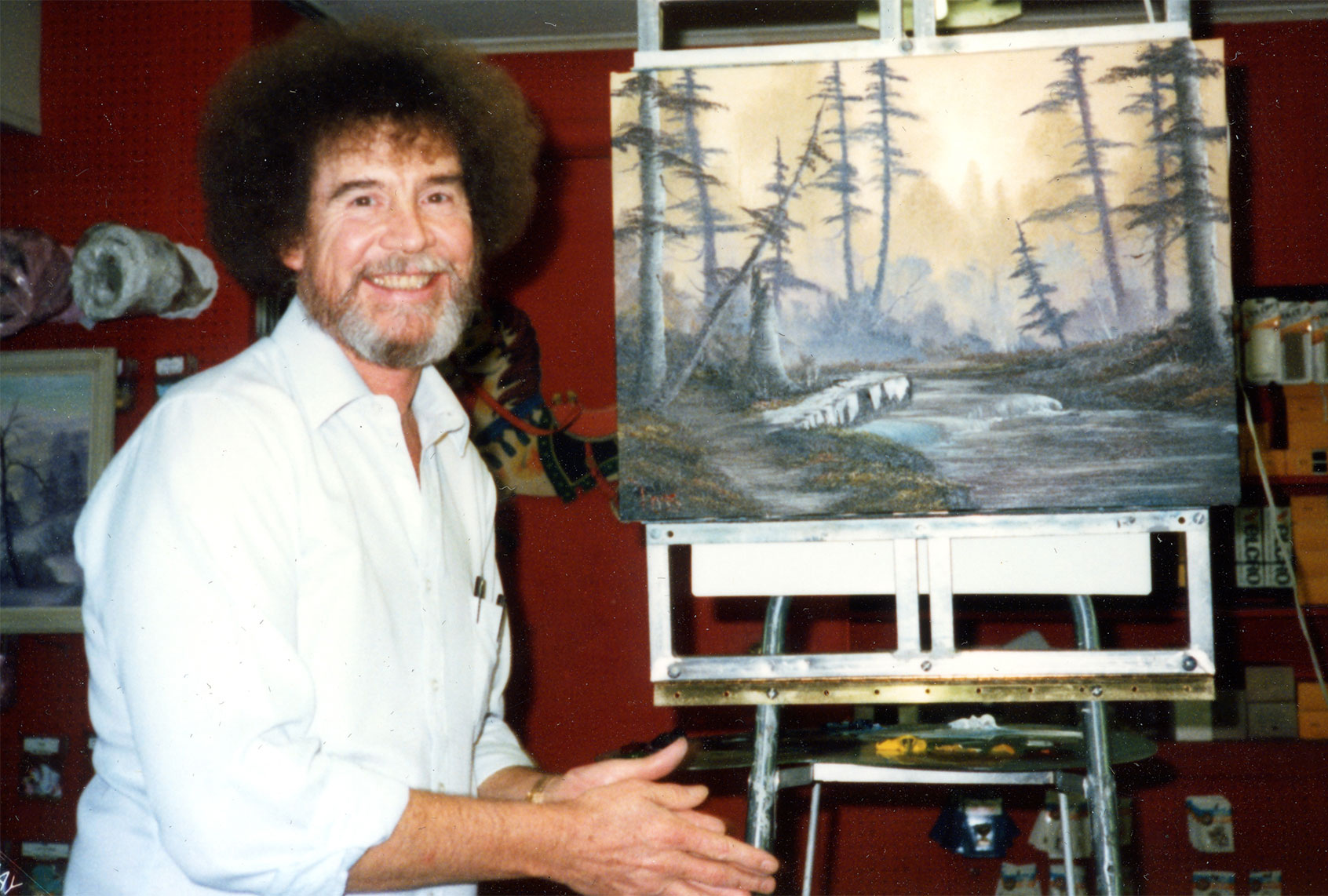
One of the most recognizable features of Bob Ross was his large, permed afro. Paradoxically, Ross actually disliked the hairstyle. During the early days of his career as a traveling art instructor, Ross struggled financially and decided to perm his hair to save money on regular haircuts. By the time he found success, the perm had been integrated into the company logo for Bob Ross Inc.
Ross felt trapped by his own branding. Because the silhouette of his hair was the central element of his product packaging and marketing materials, he could not change it without damaging the brand's recognition. He maintained the perm for the rest of his life out of professional necessity, despite privately preferring a shorter, straighter style. This commitment to brand consistency helped ensure that his likeness remained marketable for decades after his passing.
3. Financial Structure: How Bob Ross Built an Empire Without a Salary
A common misconception is that Bob Ross became wealthy from his television show. In reality, Ross filmed all 403 episodes of The Joy of Painting for free. He viewed the PBS program as a massive commercial for his business, Bob Ross Inc. The show provided the platform and visibility necessary to sell his proprietary line of art supplies, instructional books, and certification programs for "Certified Ross Instructors."
His business model was a precursor to the modern "freemium" content strategy. By providing high-quality educational content at no cost to the viewer, he established trust and authority within the art community. The revenue was generated through the sale of specialized tools required for his "wet-on-wet" technique, such as the two-inch landscape brush and the large palette knife. This strategy was so effective that by 2026, the company continues to thrive as a major player in the hobbyist art market.
4. The Logistics of "The Joy of Painting": Production Secrets
The efficiency with which Bob Ross produced his show was legendary. A single season, consisting of 13 episodes, was typically filmed in just two and a half days. Ross would arrive at the studio with three versions of every painting featured in an episode:
- The Reference Painting: This was finished before filming and sat off-camera for Ross to refer to while painting live.
- The Television Painting: This was the piece created on-camera during the 26-minute broadcast.
- The Instructional Painting: This version was created after the show, often with a photographer standing nearby to take step-by-step photos for his instructional books.
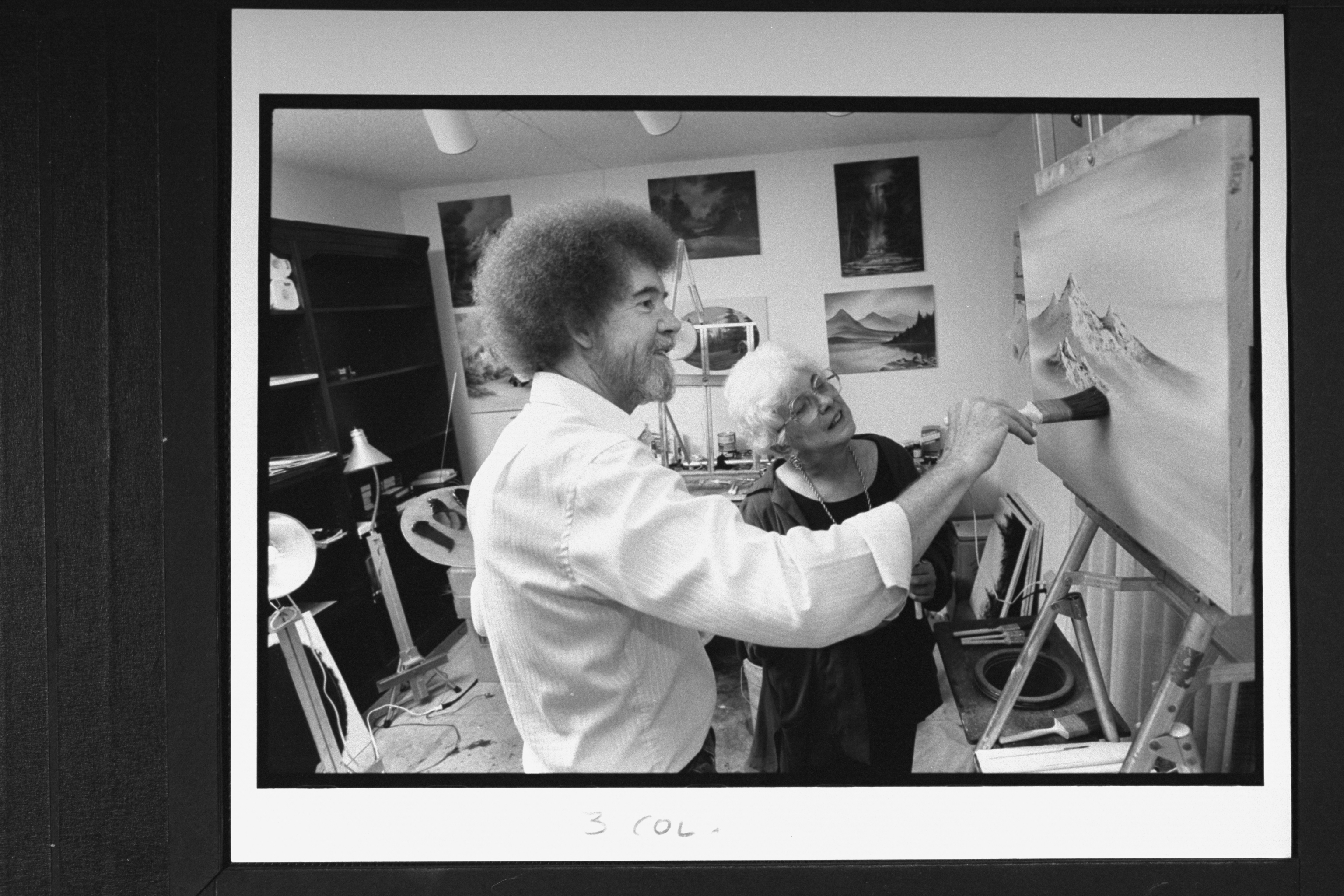
Ross’s ability to complete a complex landscape in under thirty minutes was not just a result of talent, but of rigorous preparation. He was a master of "alla prima" or wet-on-wet painting, a technique that allows the artist to apply wet paint over wet paint without waiting for layers to dry. This method was popularized by his mentor, Bill Alexander, and Ross refined it for a television format that demanded speed and clarity.
5. The Mystery of the Missing Masterpieces and the 30,000 Paintings
It is estimated that Bob Ross painted approximately 30,000 canvases during his lifetime. Despite this staggering volume, his original works are rarely found on the open market. Unlike other famous artists whose works are auctioned for millions, Ross’s paintings were never intended for sale as fine art.
Most of the paintings produced for the show were donated to PBS stations across the country to be used in fundraisers and auctions. Thousands of others were stored in the headquarters of Bob Ross Inc. in Northern Virginia. In 2019, the Smithsonian National Museum of American History acquired a collection of his paintings and personal items, recognizing him as a significant figure in American cultural history. Because Ross prioritized the process of painting over the finished product, he viewed his canvases more as teaching aids than as precious commodities.
6. ASMR Pioneer and the "Quiet" Revolution
Long before the term "ASMR" (Autonomous Sensory Meridian Response) was coined, Bob Ross was its unwitting pioneer. His "Joy of Painting" episodes are frequently cited by researchers and enthusiasts as prime examples of ASMR triggers. The combination of his rhythmic, soft-spoken voice, the "scritch-scratch" sound of the brush against the canvas, and the gentle tapping of the palette knife creates a tingly, relaxing sensation for many viewers.
In 2026, Ross is celebrated as a pioneer of "slow media." In an era of high-speed digital consumption, his 1980s broadcasts offer a meditative escape. This unintentional aspect of his work is a major reason for his longevity; even those with no interest in painting find value in his episodes as a tool for stress relief and sleep induction.
7. Key Milestones and Technical Data
The following table outlines the critical phases of Bob Ross’s life and the evolution of his brand, providing a clear timeline of his transition from a military professional to a global art icon.
| Period | Milestone | Technical/Historical Context |
|---|---|---|
| 1961–1981 | US Air Force Career | Reached rank of Master Sergeant; influenced by Alaskan landscapes. |
| 1982 | Meeting the Kowalskis | Annette and Walt Kowalski partnered with Ross to form Bob Ross Inc. |
| 1983 | The Joy of Painting Premiere | First aired on WNVC in Falls Church, Virginia, before national syndication. |
| 1994 | Final Episode Filmed | Ross completed his last season shortly before his health declined. |
| 1995 | Passing and Legacy | Died of lymphoma at age 52; Bob Ross Inc. continues under the Kowalskis. |
| 2015 | Twitch.tv Marathon | A 9-day marathon on Twitch introduced Ross to a new generation of digital viewers. |
| 2021 | Netflix Documentary | Bob Ross: Happy Accidents, Betrayal & Greed detailed legal battles over his estate. |
8. The Missing Finger: A Hidden Detail
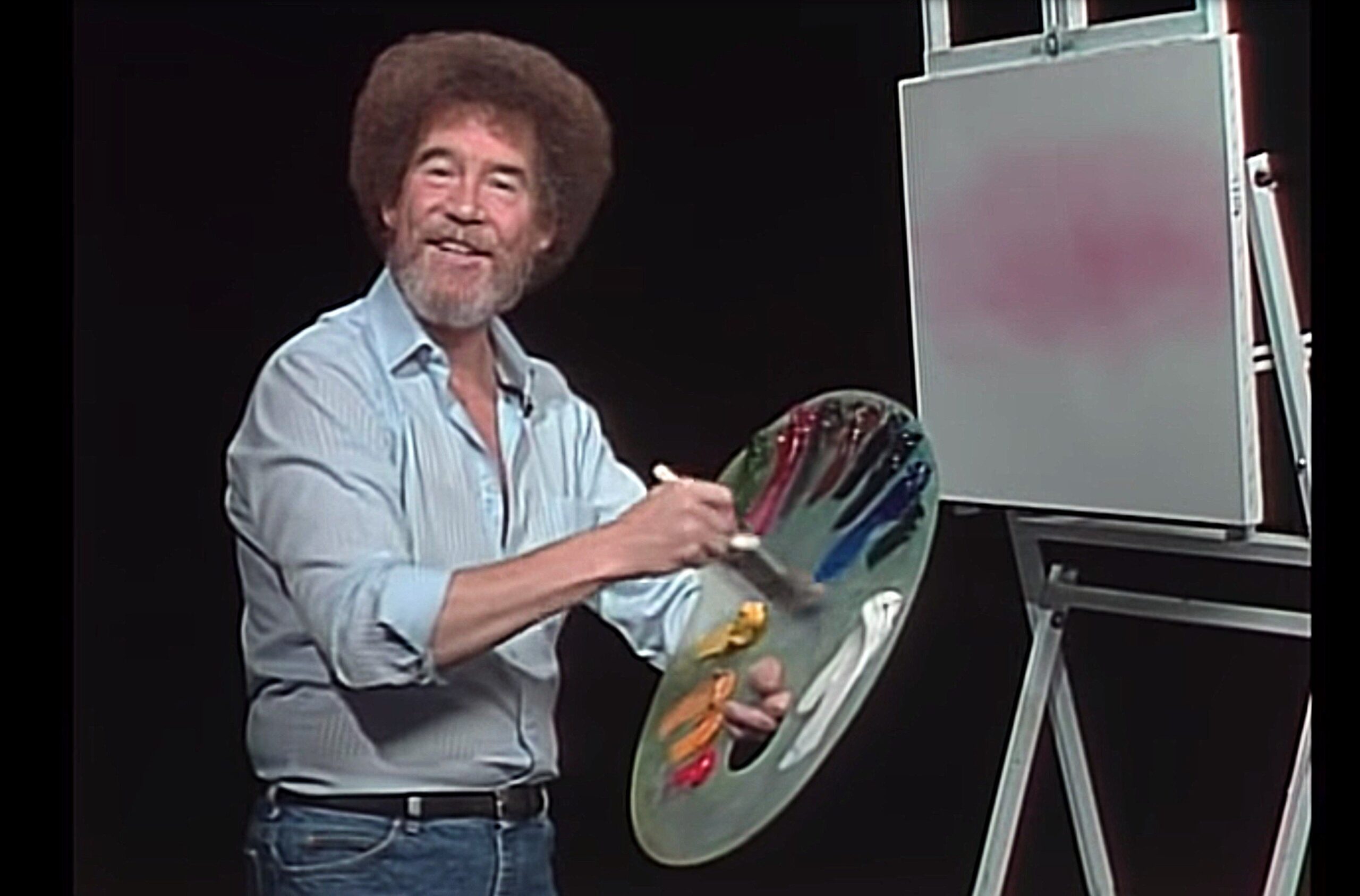
Few viewers ever noticed that Bob Ross was missing part of his left index finger. He lost it in a woodworking accident while working with his father as a young man. Throughout his television career, Ross cleverly concealed the injury by holding his large wooden palette with his left hand, covering the missing digit.
This detail serves as a testament to Ross’s professionalism and his desire to keep the focus entirely on the art. He didn't want any personal distractions to take away from the message that "anyone can paint." By positioning his hand in a specific way, he maintained a flawless image that allowed the viewer to stay immersed in the instructional content.
9. A Life Dedicated to Animal Rehabilitation
Bob Ross was a lifelong animal lover and often used his platform to promote wildlife rehabilitation. He frequently featured "special guests" on his show, such as Peapod the pocket squirrel or various orphaned birds and owls. Ross would often film segments showing him bottle-feeding these animals at his home.
His dedication to nature was not just an aesthetic choice for his paintings; it was a core part of his identity. He often told viewers that "there's nothing wrong with having a squirrel as a friend." This empathy for living things contributed to the "wholesome" image that has made him a beloved figure across multiple generations.
10. The Legal Battle for the Ross Legacy
The story of Bob Ross is not without controversy, particularly regarding the legal battle that followed his death in 1995. The conflict centered on the ownership of his name, likeness, and intellectual property. Upon his death, a dispute arose between his family—specifically his son, Steve Ross—and his business partners, Annette and Walt Kowalski.
The Kowalskis ultimately won control of the Bob Ross brand through the terms of their initial business agreement. This led to a period of estrangement between the company and Ross's heirs. While the brand continued to flourish, the ethics of the business arrangement became a subject of public debate, especially following a 2021 documentary. Despite these legal complexities, the cultural impact of Ross’s work remains untarnished, and in 2026, his message of creative empowerment continues to be his most enduring contribution to the world.
Frequently Asked Questions
Did Bob Ross ever make mistakes on camera?
Yes, but he famously referred to them as "happy accidents." Ross taught his viewers that errors were simply opportunities to learn or to change the direction of the painting. If he accidentally put a dark streak of paint where he didn't want it, he would turn it into a "happy little bush" or a "shady tree." This philosophy was designed to reduce the fear of failure that often prevents beginners from trying art.
How many paintings did Bob Ross actually sell during his lifetime?
Virtually none. Bob Ross was not a "commercial" artist in the traditional sense of selling canvases for profit. He occasionally sold paintings during his early days in the military to supplement his income, but once The Joy of Painting became successful, he focused entirely on the business of teaching and art supplies. He once stated in an interview that he didn't want his work to become a commodity for collectors.
What happened to Bob Ross's son, Steve?
Steve Ross, who appeared in several episodes of The Joy of Painting, is an accomplished artist in his own right. Following the legal battles over his father's estate, Steve stepped away from the public eye for many years. However, in recent years, he has returned to teaching the wet-on-wet technique, often hosting workshops that honor his father's original methods while operating independently of Bob Ross Inc.
Why did Bob Ross always use a two-inch brush?
The two-inch landscape brush was the "workhorse" of the Ross technique. Its size and stiffness allowed Ross to apply large amounts of paint quickly and to blend colors directly on the canvas. It was also essential for creating specific textures, such as the "leaves" on trees, through a technique called "tapping." Using a large brush helped beginners avoid getting bogged down in minute details, which is where most novice painters lose confidence.
Is Bob Ross's art considered "fine art"?
In the traditional academic sense, Ross's work is often categorized as "kitsch" or "commercial art" rather than "fine art." However, this distinction has blurred over time. The Smithsonian's acquisition of his work suggests that his cultural impact and his role in democratizing art education give his paintings a historical and artistic value that transcends traditional definitions.
Where to Experience the Bob Ross Legacy Today
For those looking to engage with the Bob Ross method in 2026, several paths are available. You can visit the Bob Ross Experience in Muncie, Indiana, located in the original studio where The Joy of Painting was filmed. The site features original paintings, reconstructed sets, and interactive exhibits that detail his life and career. Additionally, hundreds of "Certified Ross Instructors" continue to teach workshops globally, ensuring that the wet-on-wet technique remains accessible to anyone with a canvas and a dream.