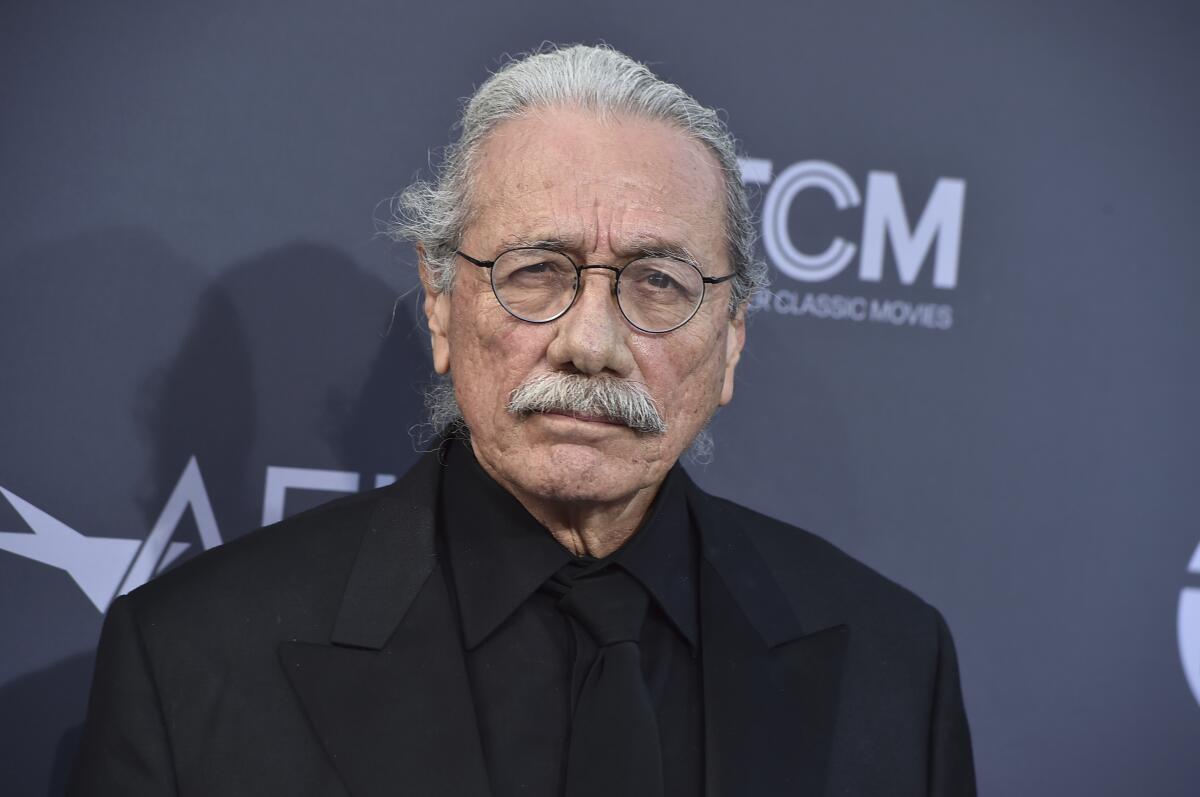
Edward James Olmos is an iconic American actor, director, and activist whose career spans over five decades, marked by powerful performances in cinema and television, including Stand and Deliver, Blade Runner, and Battlestar Galactica. Understanding his life reveals a journey defined by athletic discipline, groundbreaking representation for Latino actors in Hollywood, and tireless community advocacy.
1. A Baseball Dream Interrupted by an Injury
Long before Edward James Olmos commanded the screen, his primary ambition was rooted in professional sports. Growing up in East Los Angeles, he dedicated his youth to baseball and developed elite-level skills as a catcher and infielder. By the age of 15, Olmos had earned a spot as the Golden State bat boy for the Los Angeles Dodgers, an experience that immersed him in professional athletics.
His trajectory shifted dramatically during his late teens while playing baseball for the City College of Los Angeles. A severe knee injury fractured his meniscus and sidelined him from competitive play, forcing him to abandon his dream of a Major League Baseball career. This physical setback served as a pivotal turning point, redirecting his competitive drive and performance energy toward music and, ultimately, acting.
2. Early Beginnings in Rock and Roll Music
Before establishing himself as a theatrical and cinematic force, Olmos pursued a career in the music industry during the 1960s. He fronted a rock and roll band called Edward James Olmos and the Pacific Ocean, performing in clubs across the Los Angeles area. The group even released a studio album titled Purgatory in 1968, blending psychedelic rock with socially conscious lyricism.
Although the band achieved moderate local success, the financial realities of the music business proved difficult. Olmos supplemented his income by working various odd jobs while taking acting classes at night. This musical background later informed several of his performance roles, including his portrayal of the legendary tejano musician's father in cinematic projects and his rhythm-driven stage presence.
3. The Grueling Transformation for Zoot Suit
Olmos achieved mainstream critical recognition through his portrayal of El Pachuco in Luis Valdez’s landmark 1978 stage play Zoot Suit, a role he reprised in the 1981 film adaptation. El Pachuco served as a narrator, alter ego, and theatrical embodiment of style and defiance during the Sleepy Lagoon murder trial and the Zoot Suit Riots of 1943.
The preparation for this role required intense physical and psychological discipline. Olmos spent months researching the sociopolitical history of the Pachuco subculture, perfecting a stylized dialect that blended Caló slang with English and Spanish. His performance earned him a Tony Award nomination for the Broadway run and an Academy Award nomination for the film version, marking a historic milestone for Latino actors in American cinema.
4. Improvised Brilliance in Blade Runner
In Ridley Scott’s 1982 science fiction masterpiece Blade Runner, Olmos portrayed Gaff, a mysterious and multilingual street-level detective who communicates through a customized dialect known as Cityspeak. Despite having relatively limited screen time, Gaff remains one of the film’s most memorable characters due to his distinct visual aesthetic and enigmatic presence.
Olmos contributed significantly to the creation of Gaff by inventing the character's unique language. He drew upon Hungarian, Japanese, Spanish, German, and Romani to construct the eclectic street patois spoken in the film. Furthermore, Olmos personally designed Gaff’s distinctive origami figures, including the iconic tinfoil unicorn left at the conclusion of the narrative, infusing the character with layers of psychological subtext.
5. Academy Award Nomination for Stand and Deliver
Perhaps his most celebrated cinematic achievement is his portrayal of real-life mathematics educator Jaime Escalante in the 1988 drama Stand and Deliver. Escalante successfully taught advanced calculus to underprivileged students at Garfield High School in East Los Angeles, defying systemic expectations.
To prepare for the role, Olmos spent months auditing calculus classes, shadowing Escalante, and adopting his mannerisms, speech patterns, and pedagogical philosophy. His dedication extended to physical transformation; Olmos shaved his head, wore heavy prosthetics to alter his facial structure, and lost significant weight to mirror Escalante's appearance. The performance earned him an Academy Award nomination for Best Actor, cementing his status as a premier dramatic talent.
6. Turning Down Roles to Avoid Stereotypes
Throughout his career, Olmos has maintained a strict ethical standard regarding the characters he portrays, frequently turning down lucrative offers that relied on negative ethnic stereotypes. In the aftermath of his success with Zoot Suit and Stand and Deliver, Hollywood casting directors frequently offered him scripts featuring gang members, drug traffickers, and criminal antagonists.
Olmos declined these opportunities to protect the cultural dignity of the communities he represented. By consciously selecting multidimensional roles—such as military commanders, educators, and working-class patriarchs—he helped reshape how Hispanic characters were written and perceived in mainstream media, establishing a precedent for future generations of actors.
7. Directorial Debut with American Me
In 1992, Olmos expanded his creative footprint by making his feature film directorial debut with American Me, a gritty and uncompromising crime drama that he also produced and starred in. The film traced the multi-decade rise and fall of a Chicano mafia boss emerging from the East Los Angeles prison system.
The production was notable for its commitment to authenticity, utilizing real former gang members and convicts as consultants and background actors. While the film received critical praise for its unvarnished look at institutional violence and the cycle of incarceration, its dark subject matter and unflinching violence made it a challenging box-office release. It remains a definitive text on the socio-cultural challenges facing urban communities in the late 20th century.
8. Iconic Science Fiction Legacy as Commander Adama
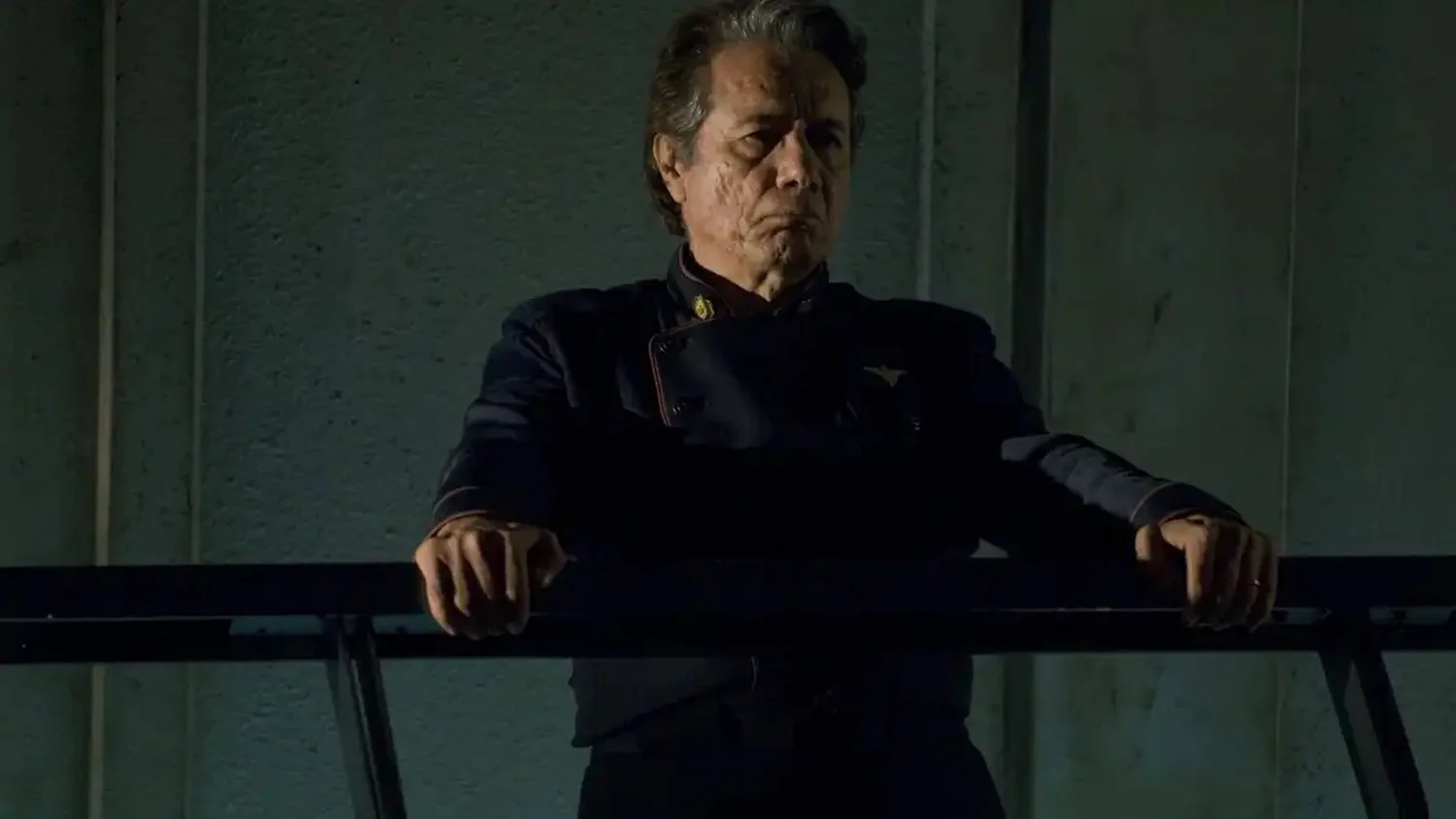
For modern television audiences, Olmos is widely recognized for his portrayal of Commander William Adama in the critically acclaimed reimagined science fiction series Battlestar Galactica (2004–2009). Adama served as the military leader of the surviving remnants of humanity fleeing from robotic Cylons across a hostile galaxy.
Olmos brought gravitas, moral authority, and weathered leadership to the role, anchoring the science fiction premise in profound political and philosophical realities. His performance was praised for exploring themes of duty, grief, and democracy under existential threat. For his work on the series, Olmos received a Saturn Award and widespread critical acclaim, introducing his talent to an entirely new demographic of fans.
9. Extensive Humanitarian and Activism Work
Beyond his contributions to the entertainment industry, Olmos has maintained a lifelong commitment to social activism, community organizing, and education. He serves as a U.S. Goodwill Ambassador for UNICEF and has traveled globally to advocate for children’s rights, disaster relief, and educational access in impoverished regions.
Within the United States, Olmos has worked extensively with organizations supporting Latino youth, gang prevention, and cultural heritage preservation. He frequently visits high schools, universities, and correctional facilities to speak directly with young people about the value of literacy, self-discipline, and cultural pride, embodying the educational advocacy he championed on screen.
10. Directorial and Cinematic Milestones
| Milestone / Project | Year | Impact & Significance |
|---|---|---|
| Zoot Suit (Film) | 1981 | Earned a Golden Globe nomination, establishing a major cinematic benchmark for Chicano theater and film. |
| Stand and Deliver | 1988 | Secured an Academy Award nomination for Best Actor through a transformative portrayal of Jaime Escalante. |
| American Me | 1992 | Marked his feature film directorial debut, offering an uncompromising look at systemic urban crime. |
| Battlestar Galactica | 2004–2009 | Delivered a defining television performance as Commander William Adama, earning international acclaim. |
Olmos has continued to work across independent cinema, documentary narration, and mainstream television well into the 2020s. His enduring presence in the entertainment industry reflects a rare combination of artistic versatility, uncompromising artistic integrity, and dedication to social progress.
Frequently Asked Questions
Did Edward James Olmos really play baseball professionally?
No, Olmos did not play professionally in Major League Baseball. While he was an exceptional amateur player and served as a bat boy for the Los Angeles Dodgers, a severe knee injury during his college years ended his athletic career and shifted his focus permanently toward the performing arts.
What languages does Edward James Olmos speak in Blade Runner?
In Blade Runner, Olmos speaks Cityspeak, a constructed hybrid language that he created for his character, Gaff. The patois incorporates elements of Spanish, Japanese, Hungarian, German, and Romani to reflect the multicultural urban sprawl of futuristic Los Angeles.
Was Edward James Olmos nominated for an Academy Award?
Yes, Olmos received an Academy Award nomination for Best Actor for his role as mathematics teacher Jaime Escalante in the 1988 biographical drama Stand and Deliver. This nomination marked a historic achievement for a Latino actor in a leading cinematic role.
Why did Edward James Olmos decline certain Hollywood roles?
Olmos consistently turned down roles that relied on negative ethnic stereotypes, such as criminal antagonists or one-dimensional gang members. He preferred to wait for complex, multidimensional characters that portrayed working-class individuals, educators, and leaders with dignity and nuance.
What role is Edward James Olmos most famous for on television?
Olmos is most widely known on television for his starring role as Commander William Adama in the science fiction television series Battlestar Galactica, which ran from 2004 to 2009 and earned him critical acclaim for his portrayal of military leadership.
Next Actions for Film Enthusiasts
To fully appreciate the artistic scope of Edward James Olmos, viewers should explore his foundational cinematic works in chronological order, starting with his theatrical transition in Zoot Suit, moving through his transformative performance in Stand and Deliver, and examining his directorial vision in American Me. Supporting educational initiatives and cultural arts programs inspired by his real-world advocacy offers a practical way to extend his legacy beyond the screen.