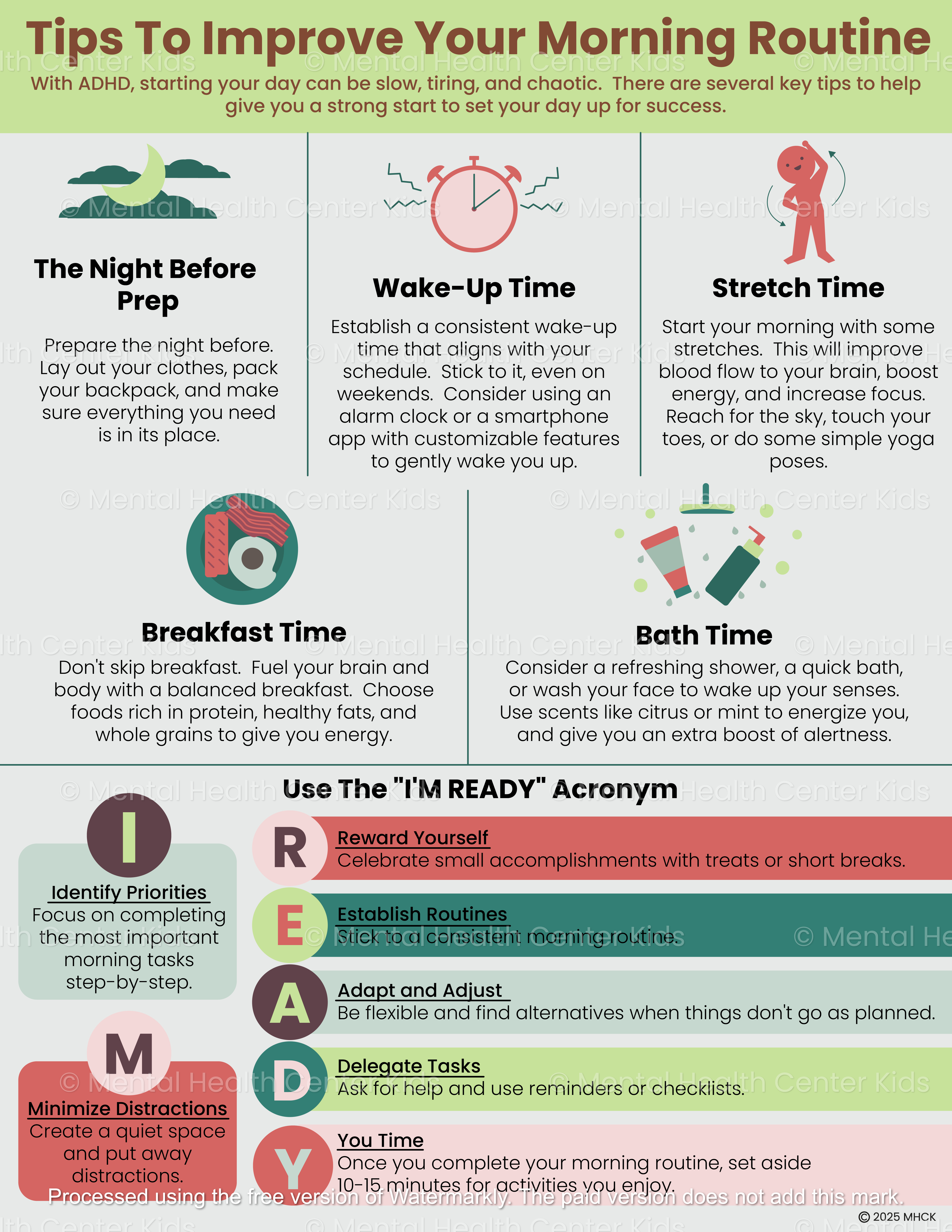
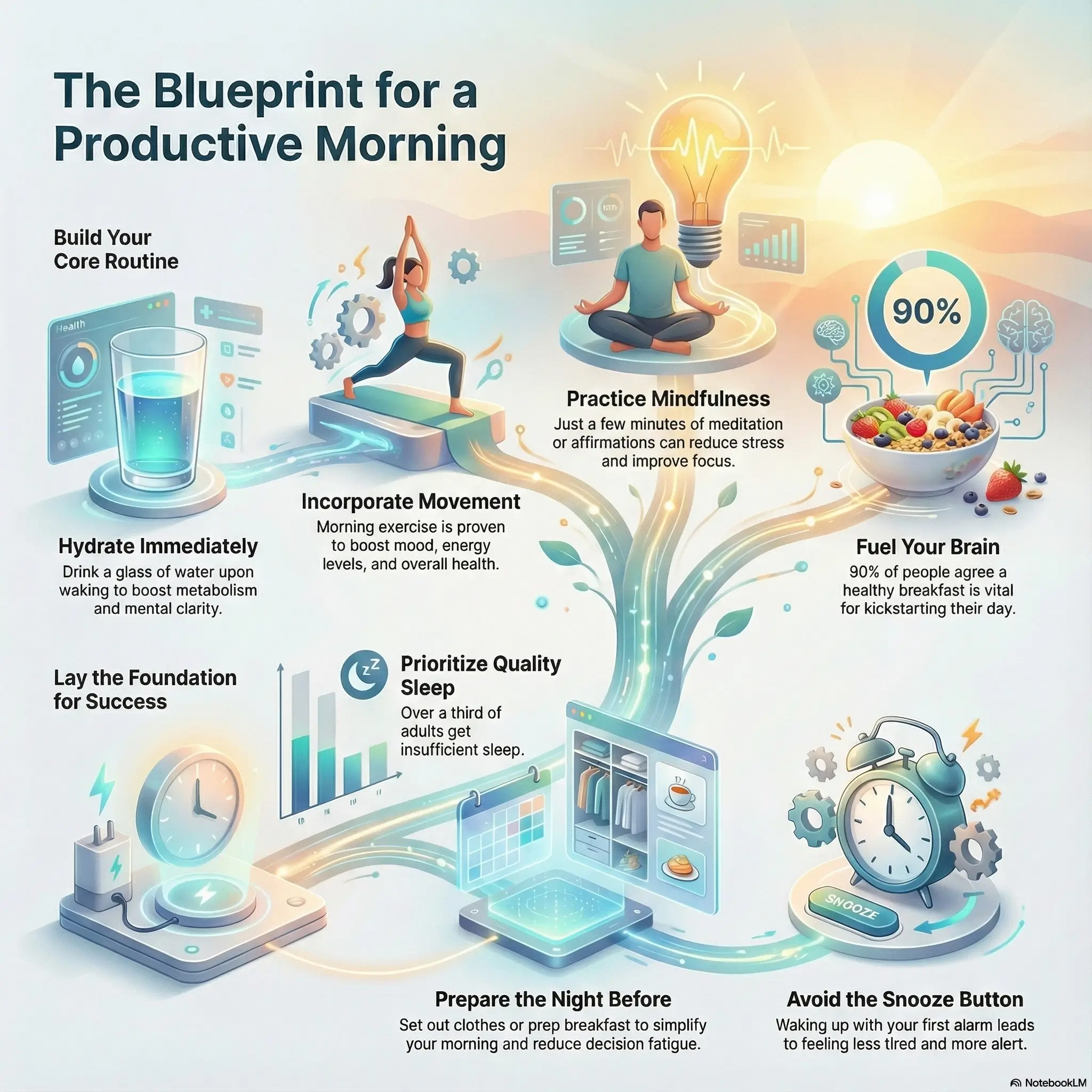
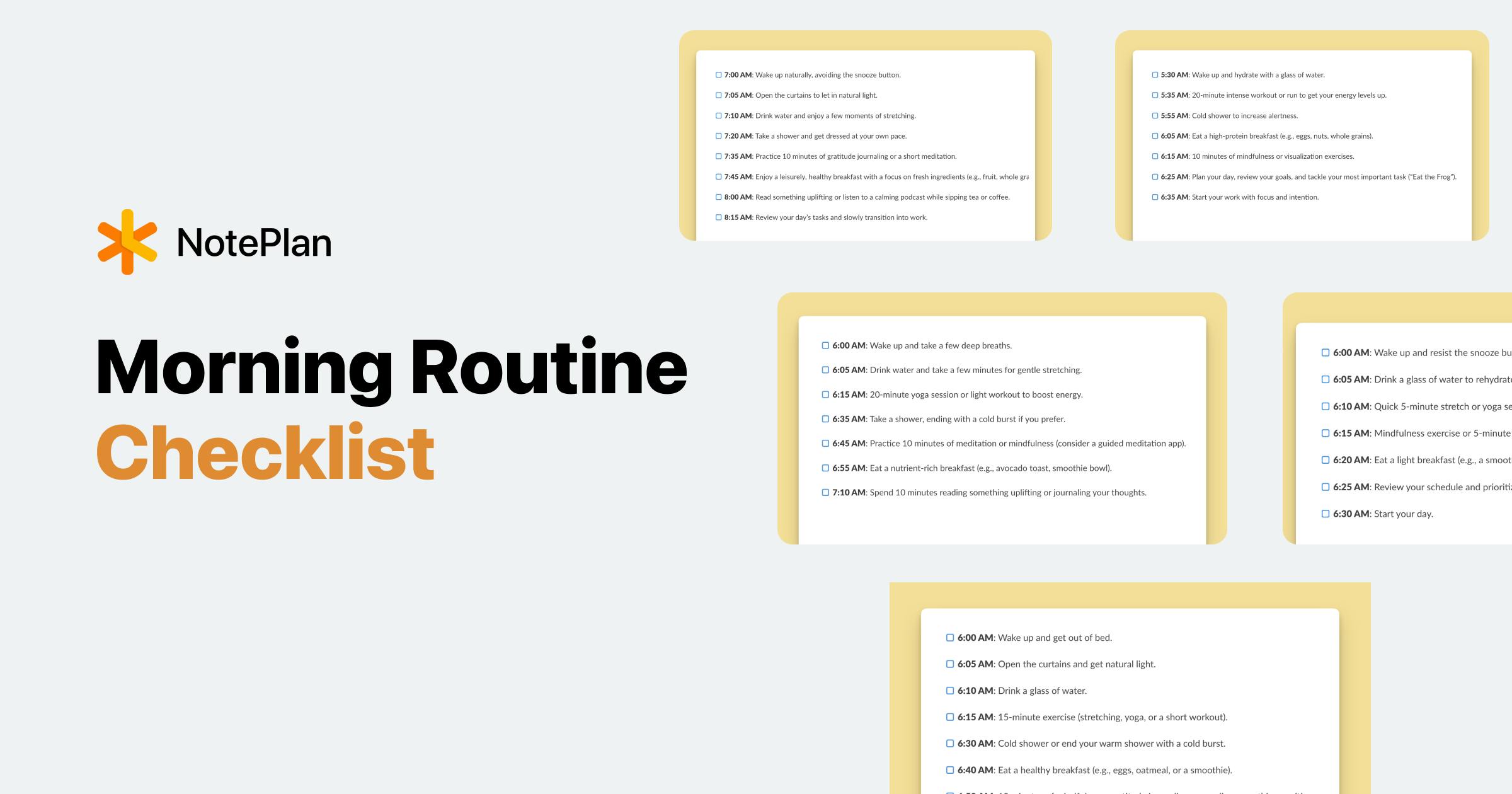
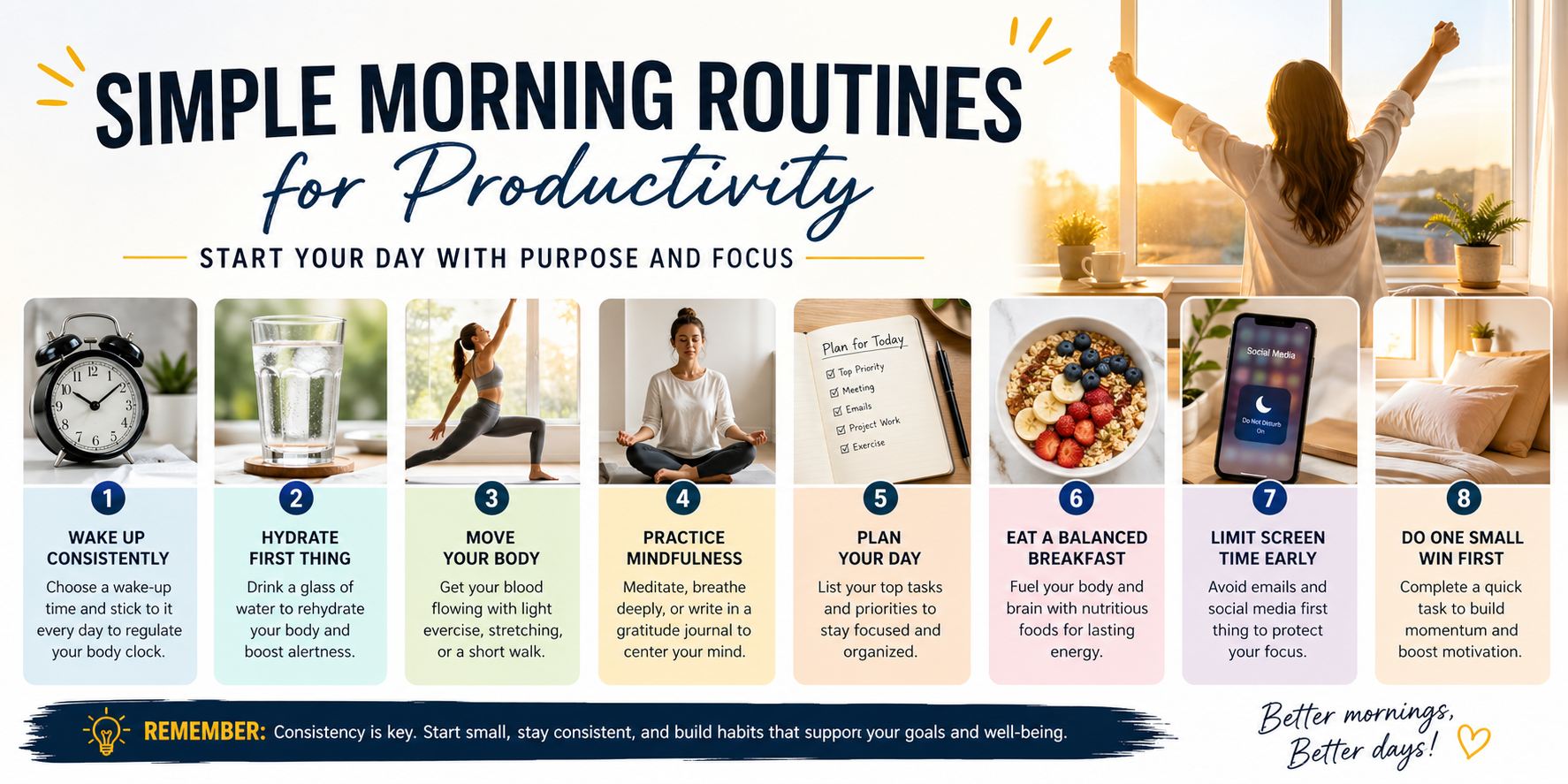
A successful morning routine focuses on biological alignment, mental clarity, and physical readiness. By incorporating simple habits like natural light exposure, hydration, and a "no-phone" period, you can stabilize your energy levels and enhance focus. These low-effort shifts reduce decision fatigue and set a proactive tone for the entire day.
The Science of Morning Momentum and Biological Rhythms
To understand why a morning routine is effective, one must first understand the biological processes that occur during the transition from sleep to wakefulness. In 2026, chronobiology—the study of biological rhythms—has become a cornerstone of personal productivity. When you wake up, your body is emerging from a state of repair and entering a state of performance. This transition is governed by the circadian rhythm, an internal clock that regulates the sleep-wake cycle and responds primarily to environmental cues.
One of the most critical components of this transition is the Cortisol Awakening Response (CAR). Cortisol is often unfairly labeled solely as a "stress hormone," but in the morning, it is essential for alertness. A sharp rise in cortisol within the first 30 to 45 minutes of waking helps "jump-start" the brain and body. When your morning routine is chaotic or misaligned with your biology—such as immediately scrolling through stressful news or consuming high amounts of sugar—you can blunt this natural response, leading to the "morning fog" that many people struggle to overcome.
Furthermore, the brain transitions through various wave states upon waking. Moving from Delta (deep sleep) to Theta (light sleep/drowsiness) and eventually to Alpha (relaxed alertness) takes time. A structured routine provides a "buffer zone" that allows the brain to stabilize in the Alpha state before being thrust into the high-frequency Beta state required for intense work and problem-solving. By respecting these biological phases, you aren't just "getting through" the morning; you are optimizing your neurochemistry for the hours ahead.
10 Easy Morning Routine Suggestions to Boost Your Day
Building a better morning does not require a complete lifestyle overhaul. The most sustainable routines are built on "low-friction" habits that provide high returns on energy and focus. Below are ten evidence-based suggestions designed to be implemented immediately.
1. Prioritize Hydration Before Caffeine
After six to eight hours of sleep, the human body is naturally dehydrated. Respiratory water loss and perspiration during the night deplete essential fluids. While many reach for coffee immediately, caffeine is a diuretic that can further exacerbate dehydration if not balanced. Drinking 16 to 20 ounces of water—ideally with a pinch of sea salt or an electrolyte mix—helps "re-perfuse" the organs and fire up the metabolism. This simple act improves cognitive function and reduces the likelihood of mid-morning headaches.
2. Seek Natural Light Exposure
The National Institutes of Health (NIH) has long emphasized the role of light in regulating the suprachiasmatic nucleus (SCN), the brain's master clock. Exposure to bright, natural sunlight within 30 minutes of waking signals to the brain that the day has begun. This triggers the suppression of melatonin (the sleep hormone) and the timely release of cortisol. If you live in an environment with limited morning sun, using a 10,000-lux light therapy box can serve as an effective substitute to calibrate your internal clock.
3. Implement a 30-Minute "No-Phone" Zone
Checking your smartphone immediately upon waking forces your brain into a reactive state. By viewing emails, social media notifications, or news alerts, you are allowing external demands to dictate your mental landscape. This "dopamine hijacking" can increase anxiety and decrease your ability to focus on deep work later in the day. Establishing a boundary where the phone remains in another room or on "Do Not Disturb" for the first 30 minutes allows you to cultivate internal stability.
4. Engage in Low-Intensity Movement
You do not need a grueling 60-minute gym session to see the benefits of morning movement. Five to ten minutes of dynamic stretching, yoga, or a brisk walk around the block is sufficient to increase blood flow and encourage lymphatic drainage. Movement helps clear out residual adenosine—the chemical responsible for sleep pressure—from the brain. According to the Centers for Disease Control and Prevention (CDC), even brief periods of physical activity can improve mood and insulin sensitivity.
5. Practice Controlled Breathwork or Meditation
Mental priming is as important as physical priming. Practicing "Box Breathing" (inhale for four, hold for four, exhale for four, hold for four) or a simple five-minute mindfulness meditation can lower the heart rate and activate the parasympathetic nervous system. This creates a "calm alertness" that makes you more resilient to the stresses of the workday. It transitions the mind from the wandering Theta state into a focused Alpha state.
6. Consume a High-Protein Breakfast
In 2026, nutritional science continues to highlight the importance of blood sugar stability. A breakfast high in simple carbohydrates (like sugary cereals or white toast) leads to a rapid glucose spike followed by a "crash," resulting in lethargy by 11:00 AM. Instead, focusing on 25–30 grams of protein—from eggs, Greek yogurt, or plant-based alternatives—promotes satiety and provides the amino acids necessary for neurotransmitter production, specifically dopamine and norepinephrine.
7. Identify Your "Big Three" Tasks
Decision fatigue is a real phenomenon where the quality of your choices deteriorates after making too many decisions. To combat this, use your morning to identify the three most important tasks you must accomplish. This "top-down" approach ensures that even if the afternoon becomes chaotic, your primary objectives have been addressed. This practice, often called the Ivy Lee Method, reduces the mental load of wondering "what should I do next?"
8. Use Brief Cold Exposure
While controversial for some, brief cold exposure—such as a 30-second cold rinse at the end of your shower—has profound physiological effects. The sudden drop in temperature triggers a significant release of norepinephrine and endorphins. This not only provides an immediate psychological "reset" but also improves circulation and may support immune function over time. It is one of the fastest ways to eliminate lingering sleep inertia.
9. Engage in Intellectual Priming
Spend ten minutes reading a book, listening to an educational podcast, or journaling. This is not about "working," but about stimulating the brain's executive functions. Writing down three things you are grateful for or your primary intentions for the day can shift your mindset from a deficit-based view (what I have to do) to an abundance-based view (what I get to do).
10. Complete One Small Physical Win
Making your bed is the classic example of a "keystone habit." It is a small, easily achievable task that provides a sense of order and accomplishment within minutes of waking. This creates a "success loop" in the brain, making it more likely that you will follow through on larger, more complex tasks later in the day.
Customizing Your Routine Based on Available Time
Not everyone has an hour to dedicate to a morning ritual. The key to consistency is scalability. You should have a "minimalist" version of your routine for busy days and an "expanded" version for mornings when you have more flexibility.
| Routine Level | Time Required | Core Focus | Best For |
|---|---|---|---|
| The Minimalist | 5–10 Minutes | Hydration & Light | High-stress workdays, travel, or early starts. |
| The Balanced | 20–30 Minutes | Movement & Protein | Standard weekdays with a moderate schedule. |
| The High-Performance | 45–60 Minutes | Meditation & Deep Priming | Days requiring maximum creativity or physical output. |
| The Slow Morning | 60+ Minutes | Reflection & Nature | Weekends or recovery days to prevent burnout. |
Addressing Common Obstacles to Morning Success
The most frequent reason morning routines fail is "all-or-nothing" thinking. If a person misses one habit, they often abandon the entire routine for the day. To prevent this, it is essential to view the routine as a menu rather than a rigid checklist. If you don't have time for a walk, do one minute of jumping jacks. If you can't meditate for ten minutes, take three deep breaths.
Another common obstacle is Sleep Procrastination. A morning routine actually begins the night before. If you stay up late scrolling through social media, no amount of cold water or protein will compensate for a lack of restorative sleep. Ensuring your sleep environment is cool, dark, and quiet is a prerequisite for any of these morning suggestions to be effective.
Finally, consider your Chronotype. Research suggests that "Night Owls" (Late Chronotypes) have a naturally delayed cortisol peak. If you are a Night Owl, forcing a 5:00 AM routine may be counterproductive. Instead, shift your "morning" routine to align with when you actually wake up, focusing on the same biological principles of light and hydration, even if they occur at 8:30 AM rather than 6:00 AM.
Frequently Asked Questions
How long does it take for a new morning routine to become a habit?
Research from University College London suggests it takes, on average, 66 days for a new behavior to become automatic. However, the complexity of the habit matters; drinking water is easier to automate than a 30-minute meditation. Starting with just one or two changes and building gradually increases the likelihood of long-term success.
Can I drink coffee immediately if I also drink water?
While you can, it is often better to wait 60 to 90 minutes after waking to consume caffeine. This allows your natural cortisol levels to peak and then begin their slight decline. By waiting, you avoid the "caffeine crash" that occurs when the stimulant interferes with the adenosine clearing process too early in the morning.
What if I work the night shift?
The principles remain the same: you must manage your light exposure and hydration relative to your "wake" time. Use "blue-blocker" glasses when returning home in the sunlight to prevent unwanted melatonin suppression, and use bright light therapy when you first wake up in the evening to signal the start of your "day."
Is breakfast mandatory for a good morning routine?
Not necessarily. If you practice intermittent fasting and feel alert without food, you can skip breakfast. However, ensure that when you do break your fast, you prioritize protein and healthy fats to maintain the cognitive gains you achieved during your morning routine.
How do I handle a routine when I have young children?
When your schedule is dictated by others, "micro-habits" are essential. You may not be able to meditate for 20 minutes, but you can drink a glass of water while preparing their breakfast or take 30 seconds to stand in front of a window for light exposure. Focus on the habits you can control within the "pockets" of your morning.
Implementing Your Routine: The 3-Day Audit
To find which of these suggestions works best for you, perform a "Routine Audit" over the next three days. On day one, implement only the biological basics: hydration and light. On day two, add a digital boundary (no-phone zone). On day three, include low-intensity movement.
Monitor how your energy levels feel at 2:00 PM on each of these days. Most people find that the mid-afternoon "slump" is significantly diminished when the morning is handled with intentionality. The goal is not perfection; the goal is to create a reliable system that supports your physical and mental health, allowing you to navigate the complexities of 2026 with clarity and resilience. Start tomorrow by placing a glass of water on your nightstand—the simplest first step toward a transformed day.