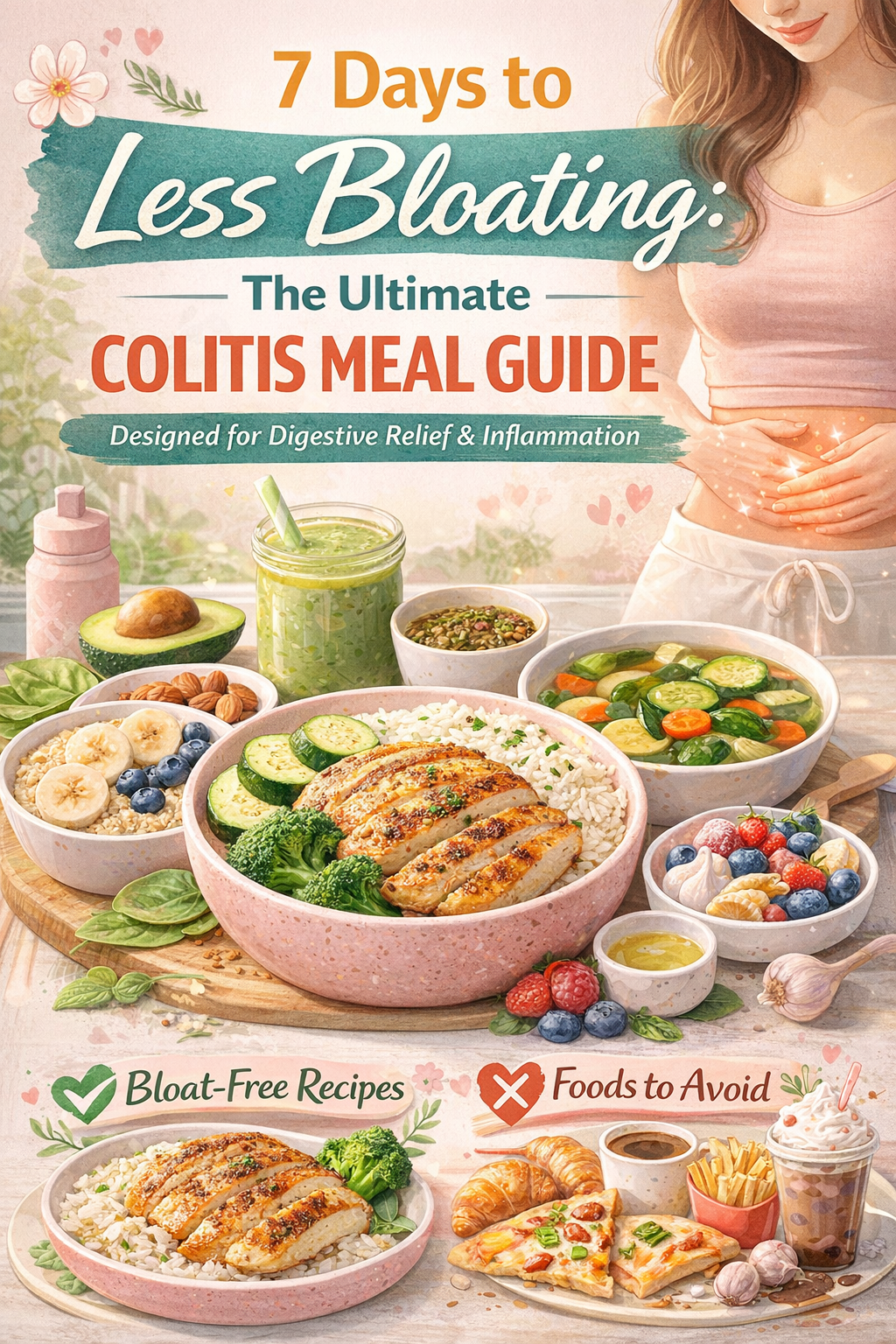
Managing ulcerative colitis or general colon inflammation requires a delicate balance between optimal nourishment and mechanical digestive rest. By focusing on low-residue, low-FODMAP, soft-textured, and anti-inflammatory ingredients, you can satisfy your appetite without overtaxing an inflamed intestinal mucosa. The ten meal ideas below prioritize high-digestibility proteins, cooked soluble fibers, and healthy fats designed to support mucosal tissue repair, maintain intestinal barrier integrity, and promote sustained, flare-free remission.
Disclaimer: This guide provides general nutritional education for inflammatory bowel disease (IBD) management and does not constitute formal medical advice. Always consult a gastroenterologist or a specialized IBD clinical dietitian to tailor your diet to your specific medical status and disease activity.
The Principles of Gut-Healing Meals for Colitis
The primary objective of dietary management during colitis recovery is to reduce physical friction against mucosal ulcers while supplying the essential nutrients required for tissue regeneration. Chronic bowel inflammation impairs nutrient absorption, often leading to deficiencies in iron, zinc, vitamin D, and lean muscle mass. Therefore, every meal must offer high bioavailability without triggering hypermotility or hyperosmotic fluid shifts in the gut.
When planning meals for colitis relief, the digestive workload can be managed by altering food structure. Mechanical processing—such as peeling, pureeing, boiling, and slow-cooking—breaks down tough plant cell walls long before ingestion. Furthermore, separating fiber types is critical:
- Soluble Fiber: Found in peeled apples, sweet potatoes, oats, and carrots, soluble fiber dissolves in water to form a soft, gel-like substance. It slows transit time, absorbs excess fluid to firm loose stools, and produces beneficial short-chain fatty acids (SCFAs) like butyrate when fermented by healthy colonic bacteria.
- Insoluble Fiber: Present in raw seeds, nuts, whole grain brans, and raw leafy greens, insoluble fiber acts like roughage. During an active flare or early recovery, insoluble fiber mechanically irritates tender tissue, accelerating bowel movements and triggering abdominal cramping.
According to dietary research summarized by the Crohn's & Colitis Foundation, tailoring fiber intake and prioritizing easy-to-absorb micronutrients can significantly improve quality of life and minimize symptom severity for patients living with inflammatory bowel conditions.
10 Nourishing and Easy-to-Digest Colitis Meal Ideas
Colitis-Friendly Plate Composition
| Lean Bioavailable Protein (30%) (Wild Salmon, Turkey, Eggs) | Cooked Soluble Carbohydrate (45%) (Peeled Potatoes, Jasmine Rice, Squash) |
|---|---|
| Healthy Fats & Anti-Inflammatory (Olive Oil, Stewed Carrots) | Well-Cooked Fiber / Mineral Broth (25%) (Steamed Zucchini, Bone Broth Reduction) |
1. Steamed Wild Salmon with Peeled Yukon Gold Purée & Steamed Zucchini
Salmon is an exceptional source of eicosapentaenoic acid (EPA) and docosahexaenoic acid (DHA). These long-chain omega-3 fatty acids actively decrease the production of pro-inflammatory eicosanoids and cytokines within the intestinal lining.
- Preparation: Steam a wild-caught salmon fillet seasoned lightly with sea salt and a drizzle of extra virgin olive oil. Boil peeled Yukon Gold potatoes until completely tender, then mash them with warm bone broth and a touch of clarified butter (ghee) to create a velvety purée. Serve alongside peeled, seeded zucchini that has been gently steamed until soft.
- Why It Works: Yukon Gold potatoes supply easily absorbed glucose to replenish glycogen stores without delivering irritating insoluble skins. Removing zucchini skins and seeds eliminates tough structural cellulose, leaving behind gentle, moisture-rich pulp.
2. Slow-Cooked Chicken & White Rice Congee with Ginger
Congee is a traditional Asian rice porridge made by simmering white rice in liquid until the grains disintegrate. This soft texture allows the gastrointestinal tract to absorb energy with minimal digestive expenditure.
- Preparation: Simmer long-grain jasmine white rice in high-quality chicken bone broth at a 1:8 ratio for 1.5 to 2 hours. Add shredded poached chicken breast, fresh grated ginger root, and a dash of coconut aminos. Garnish with tiny sprinkled bits of green onion tops (green parts only, which are low-FODMAP).
- Why It Works: Bone broth delivers bioavailable amino acids—specifically proline, glycine, and glutamine—which act as fundamental building blocks for repairing damaged intestinal epithelial cells. Fresh ginger provides natural prokinetic and anti-nausea benefits, soothing upper and lower GI tract spasms.
3. Turmeric-Infused Poached Eggs on Sourdough with Wilted Baby Spinach
Eggs deliver complete, highly digestible protein containing all essential amino acids, along with lutein, choline, and fat-soluble vitamins D and A.
- Preparation: Gently poach two pasture-raised eggs until the whites are firm and yolks remain soft. Toast a slice of true slow-fermented sourdough bread. Lightly wilt baby spinach leaves in a pan with olive oil and a pinch of ground turmeric and black pepper. Top the sourdough with the spinach and poached eggs.
- Why It Works: Traditional sourdough undergoes long lactic acid fermentation, which breaks down complex starches and reduces gluten content, making it significantly easier to digest than standard commercial bread. Turmeric contains curcumin, a potent polyphenol known to modulate inflammatory pathways in gut tissues.
4. Baked Ginger Tilapia with Mashed Sweet Potatoes
White fish such as tilapia, cod, or tender flounder offers ultra-lean protein with minimal connective tissue, making it easily broken down by stomach acid and pancreatic enzymes.
- Preparation: Place a tilapia fillet in a baking dish, season with ground ginger, sea salt, and olive oil, and bake at 375°F (190°C) until flaky (about 12–15 minutes). Peel orange sweet potatoes, boil until tender, and mash with a splash of unsweetened almond milk or coconut milk and a drizzle of maple syrup.
- Why It Works: Sweet potatoes are packed with beta-carotene (precursor to Vitamin A), which plays a pivotal role in maintaining mucosal barrier integrity and supporting gut-associated lymphoid tissue (GALT) immunity.
5. Creamy Butternut Squash & Carrot Soup with Collagen Peptides
Smooth, blended soups remove all mechanical strain from the digestive tract, allowing rapid enzymatic breakdown and fluid absorption.
- Preparation: Peel and dice butternut squash and carrots. Roast them in the oven until soft, then simmer in mineral-rich vegetable or turkey broth. Transfer to a high-speed blender, add two scoops of unflavored hydrolyzed collagen peptides, and process until completely silky. Season with sea salt and a touch of nutmeg.
- Why It Works: Pureeing cooked vegetables breaks down pectin fibers into a uniform suspension that soothes inflamed mucosal linings. Hydrolyzed collagen supplies targeted amino acids that help reinforce intercellular tight junctions in the colonic epithelium.
6. Herb-Crusted Roasted Turkey Meatballs with Peeled Chayote
Ground turkey offers high-density protein without the dense, fibrous texture of whole cuts of red meat, which can linger in the stomach and trigger delayed emptying during GI distress.
- Preparation: Mix ground turkey breast with cooked white rice (acting as a binder), dried oregano, thyme, and sea salt. Roll into small meatballs and bake at 400°F (200°C) until fully cooked. Serve over peeled, cubed chayote squash that has been simmered in broth until soft.
- Why It Works: Chayote is a soft, mild summer squash variety with extremely low fiber density and high water content, making it an ideal vegetable for soothing sensitive colonic linings.
7. Miso-Glazed Tofu Bowl with White Jasmine Rice and Steamed Baby Bok Choy
For those seeking plant-based options, fermented soy products provide accessible protein alongside beneficial metabolites that support gut microbial balance.
- Preparation: Cube firm organic tofu and sear lightly in a pan with sesame oil. Brush with a glaze made from white miso paste, maple syrup, and warm water. Serve over warm, fluffy white jasmine rice accompanied by baby bok choy stems and leaves that have been thoroughly steamed until tender.
- Why It Works: White miso undergoes fermentation, which breaks down anti-nutrients like phytic acid and introduces small amounts of beneficial organic acids. Tofu is soft and free of tough structural fibers, making it easy on an inflamed colon.
8. Cream of Rice Breakfast Porridge with Stewed Blueberries
A warm, soothing breakfast option that avoids the harsh insolubility of coarse grain cereal or raw steel-cut oats.
- Preparation: Cook organic white cream of rice cereal according to package instructions using water or lactose-free milk. In a small saucepan, simmer fresh blueberries with a splash of water and maple syrup for 5 minutes until they burst and form a soft compote. Stir the stewed blueberries into the warm porridge.
- Why It Works: Stewing blueberries breaks down their outer skins and hydrolyzes soluble pectins. Blueberries are rich in anthocyanins—antioxidants shown to attenuate oxidative stress in gastrointestinal epithelial tissues.
9. Ground Turkey & Zucchini Noodle Stir-Fry with Sesame Oil
This low-carbohydrate dinner provides comforting flavors without relying on heavy spices, high-sulfur vegetables (like onions or garlic), or excess coarse fiber.
- Preparation: Brown lean ground turkey in a skillet with toasted sesame oil and coconut aminos. Peel peeled zucchini into long, thin strips (or spiralized noodles without skins). Add the zucchini noodles to the pan during the final 3 minutes of cooking so they soften thoroughly without losing all structure.
- Why It Works: Substituting skinless zucchini noodles for traditional whole-wheat or high-fiber pasta eliminates harsh insolubles while maintaining an appealing culinary presentation.
10. Baked Cod Fillet with Stewed Fennel and Soft Carrots
Cod is exceptionally light, low in saturated fat, and easy to digest, making it ideal for evening meals when gastric motility naturally slows down.
- Preparation: Bake cod fillets with olive oil, lemon juice, and chopped fresh dill. Slice fresh fennel bulb thinly and stew it slowly in chicken or vegetable broth alongside thinly sliced peeled carrots until both vegetables are fork-tender and sweet.
- Why It Works: Stewed fennel contains natural compounds such as anethole, which help relax gastrointestinal smooth muscle, relieving gas, bloating, and painful colonic spasms.
Nutritional Profile & Digestibility Matrix
The following table summarizes the key attributes of each healing meal idea, allowing you to select options based on your current recovery phase and nutritional priorities.
| Meal Idea | Primary Protein Source | Key Fiber Profile | Predominant Micronutrients | Ideal Recovery Phase |
|---|---|---|---|---|
| 1. Salmon & Potato Purée | Wild Salmon | Soluble (Peeled Potato) | Omega-3 (EPA/DHA), Vitamin D, Potassium | Early Remission / Post-Flare |
| 2. Chicken & Rice Congee | Shredded Chicken Breast | Low-Residue Starch | Collagen, Proline, Glycine, Zinc | Active Flare / Strict Low-Residue |
| 3. Poached Eggs & Sourdough | Pasture-Raised Eggs | Fermented Soluble Starches | Choline, Vitamin B12, Curcumin | Flare Transition / Remission |
| 4. Baked Ginger Tilapia | Tilapia Fillet | Soluble (Sweet Potato) | Beta-Carotene, Vitamin C, Magnesium | Early Remission / Remission |
| 5. Squash & Carrot Soup | Hydrolyzed Collagen | Blended Soluble Pectin | Vitamin A, Collagen Peptides, Potassium | Active Flare / Soft Food Phase |
| 6. Turkey Meatballs & Chayote | Ground Turkey Breast | Low-Residue Cucurbit | Lean Amino Acids, Niacin, Phosphorus | Flare Transition / Remission |
| 7. Miso-Glazed Tofu Bowl | Organic Firm Tofu | Soft Plant Fiber | Isoflavones, Manganese, Sodium | Remission Maintenance |
| 8. Cream of Rice & Blueberries | Hydrolyzed Collagen (Optional) | Stewed Fruit Pectin | Anthocyanins, Simple Carbohydrates | Active Flare / Morning Satiety |
| 9. Turkey & Zucchini Stir-Fry | Ground Turkey | Peeled Vegetable Pulp | Zinc, Vitamin B6, Essential Fatty Acids | Remission Maintenance |
| 10. Cod with Stewed Fennel | Atlantic Cod | Soluble Anethole-Rich Fiber | Selenium, Vitamin B12, Potassium | Early Remission / Remission |
Essential Culinary Techniques for Colitis Management
How food is cooked plays a crucial role in determining its impact on an inflamed digestive system. Modifying culinary methods allows you to prepare nutritious, appetizing meals while protecting your gut from mechanical irritation.
Mechanical Softening and Skinning
Always remove skins, peels, seeds, and tough stems from fruits and vegetables before cooking. Outer coverings contain high concentrations of insoluble cellulose and lignin, which pass through the small intestine unabsorbed and cause mechanical friction against irritated mucosal linings.
Thermal Breakdown (Low and Slow)
Avoid high-heat frying, charring, or deep-frying. High temperatures alter fat structures, generating advanced glycation end-products (AGEs) and lipid peroxides that trigger gut inflammation and accelerate intestinal motility.
Instead, rely on gentle cooking techniques:
- Steaming: Preserves water-soluble vitamins while softening plant structures.
- Braising & Poaching: Keeps lean proteins moist and breaks down tough connective fibers without adding heavy, irritating fats.
- Pressure Cooking & Slow Cooking: Fully hydrolyzes complex proteins and starches into easily digestible components.
Gentle Thermal Processing vs. High-Heat Methods
- Gentle Methods:
- Steaming
- Braising / Poaching
- Slow Pressure Cooking
- Impact:
- Softens Plant Matrices
- Preserves Nutrients
- Protects Inflamed Mucosa
- High-Heat Methods:
- Deep-Frying
- Char-Grilling
- Heavy Pan-Frying
- Impact:
- Creates Lipid Peroxides & AGEs
- Triggers Hypermotility & Cramping
- Irritates Ulcerated Epithelium
Strategic Flavoring Without Irritants
Strong spices, heavy chili powders, black pepper in high quantities, raw garlic, and raw onions frequently trigger lower esophageal sphincter relaxation and hypermotility in sensitive digestive tracts. Replace aggressive seasonings with digestive-friendly alternatives:
- Freshly grated ginger root
- Ground turmeric paired with healthy fats
- Fresh green herbs (dill, cilantro, parsley, rosemary, thyme)
- Mild fermented condiments like white miso or coconut aminos
- Pure lemon juice (used in moderation as an acid balance)
Common Dietary Pitfalls to Avoid During Recovery
Achieving long-term remission requires eliminating dietary triggers that exacerbate colon inflammation. Avoid these common missteps when preparing meals:
- Reintroducing Whole Grains Too Early: While brown rice, quinoa, and whole wheat are valuable for general wellness, their coarse bran layers can physically scratch tender intestinal linings during or immediately after a colitis flare. Stick to refined, well-cooked white grains until mucosal healing is complete.
- Consuming High-FODMAP Raw Vegetables: Cruciferous vegetables like raw broccoli, cauliflower, cabbage, and kale contain complex sugars (rafinose) and insoluble fibers that ferment rapidly, generating painful gas accumulation and distension.
- Overusing Artificial Sweeteners: Sugar alcohols such as sorbitol, xylitol, and maltitol draw excess water into the large intestine through osmosis, worsening diarrhea and abdominal cramping.
- Relying on Seed Oils High in Omega-6: Excess consumption of soybean, corn, cottonseed, and sunflower oils promotes pro-inflammatory arachidonic acid pathways. Prioritize stable, anti-inflammatory fats like extra virgin olive oil, avocado oil, and ghee.
Frequently Asked Questions
What foods help calm an active ulcerative colitis flare-up?
During an active flare-up, prioritize soft, low-residue, low-fiber foods that minimize mechanical stress on the colon. Steamed white rice, bone broth, poached white fish, soft-boiled eggs, pureed carrots, and cream of rice porridge are ideal choices. These foods supply essential amino acids and glucose without leaving coarse indigestible residue that triggers painful bowel movements.
Is dairy safe to consume on a healing colitis diet?
Lactose intolerance is common during active colitis because mucosal inflammation damages the lactase enzymes on the brush border of the small intestine. Traditional dairy products high in lactose can trigger bloating, gas, and diarrhea. However, low-lactose or lactose-free alternatives—such as clarified butter (ghee), aged hard cheeses, lactose-free kefir, or unsweetened almond milk—are often well tolerated and provide essential calcium and protein.
How does fiber affect colitis differently during a flare versus remission?
During a flare, insoluble fiber acts like roughage against inflamed, ulcerated colonic mucosa, leading to cramping, pain, and frequent bowel movements. In contrast, during remission, soluble fiber plays a critical therapeutic role. Gut microflora ferment soluble fiber into short-chain fatty acids (SCFAs), particularly butyrate, which nourishes colonocytes, reduces local inflammation, and maintains intestinal barrier integrity.
Can plant-based proteins be included in a colitis relief diet?
Yes, plant-based proteins can be included if selected carefully. Soft, low-fiber, and lower-FODMAP plant proteins like firm organic tofu, smooth peanut butter (in moderate amounts), and clean hydrolyzed pea or collagen protein powders are generally well tolerated. Avoid raw legumes, whole black beans, lentils, and unpeeled seeds during active recovery, as their fibrous skins can cause gas and mechanical discomfort.
Why is bone broth recommended for ulcerative colitis recovery?
Bone broth is rich in collagen-derived amino acids, specifically proline, glycine, and glutamine. Glutamine serves as the primary energy source for intestinal epithelial cells, supporting mucosal repair and reinforcing tight junctions between mucosal cells. Additionally, bone broth provides essential electrolytes like sodium and potassium, helping rehydrate the body without burdening the digestive tract.
Actionable Steps for Personalizing Your Colitis Diet
Every individual living with ulcerative colitis has a unique gut microbiome, inflammatory pattern, and tolerance profile. To turn these ten meal ideas into a sustainable routine, take the following practical steps:
- Maintain a Detailed Food and Symptom Journal: Log everything you eat alongside your stool consistency, frequency, energy levels, and any pain. Track patterns over 2 to 3 weeks to pinpoint personal triggers.
- Adopt a Phased Reintroduction Strategy: Start with the softest, low-residue meals (such as Congee or Blended Squash Soup) during times of digestive stress. As your symptoms stabilize, systematically reintroduce one cooked, peeled vegetable or soft protein every three days to evaluate tolerance.
- Prioritize Hydration with Electrolytes: Chronic intestinal inflammation reduces liquid absorption. Supplement plain water with electrolyte-rich mineral broths or dilute coconut water to maintain proper fluid balance and muscle function.
- Partner with a Specialized IBD Clinician: Work with your gastroenterologist and a registered dietitian specializing in GI disorders. They can monitor key inflammatory biomarkers (such as fecal calprotectin) and check for micronutrient deficiencies (like iron, ferritin, B12, and Vitamin D), ensuring your meal plan supports both your immediate comfort and long-term health.