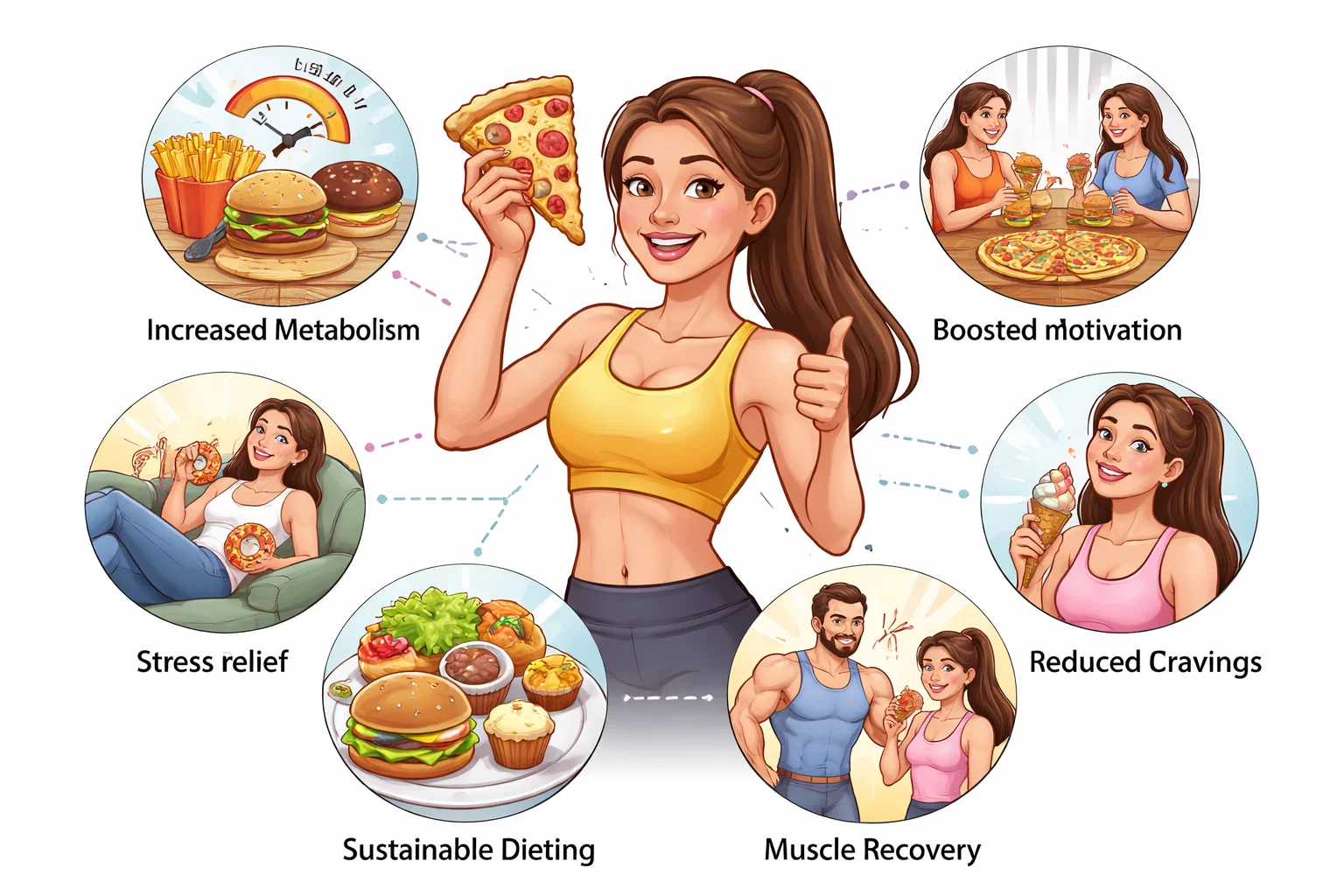
Integrating a planned cheat meal—often referred to in sports nutrition as a reward meal or strategic refeed—allows you to satisfy intense food cravings while supporting long-term dietary adherence. When executed correctly, a cheat meal replenishes muscle glycogen, briefly stimulates metabolic hormones like leptin, and provides psychological relief during prolonged caloric deficits without reversing fat loss progress.
The Physiology of the Refeed: Why Strategic Indulgence Works
A cheat meal should not be confused with unconstrained binge eating. In a structured nutrition protocol, indulgence serves both biological and psychological purposes. When you remain in a energy deficit for extended periods, your body adapts by lowering thyroid hormone output, suppressing basal metabolic rate (BMR), and decreasing the circulating levels of leptin—the hormone responsible for signaling satiety and regulating energy expenditure.
Research in energy balance demonstrates that carbohydrate-dense refeeds temporarily elevate serum leptin levels and increase total daily energy expenditure through diet-induced thermogenesis. Additionally, heavy weightlifting depletes intramuscular glycogen stores. Consuming a higher volume of carbohydrates restores these reserves, leading to fuller muscle bellies, improved athletic performance, and superior workout intensity in subsequent sessions.
From a behavioral standpoint, strict dietary restriction without planned flexibility frequently leads to cognitive fatigue, elevated cortisol, and orthorexic stress patterns. By scheduling a controlled reward meal, you establish a defined boundary that eliminates guilt, improves adherence during non-cheat days, and makes a long-term diet sustainable.
10 Delicious Cheat Meal Examples for Your Diet Plan
The ideal cheat meal balances deep flavor satisfaction with functional macronutrients. While high-fat, high-sugar foods are tempting, pairing complex carbohydrates and high-quality protein alongside your favorite comfort elements yields the best physical recovery and mental satisfaction.
| Strategic Cheat Meal Rule |
|---|
| Pair ample protein with high carbohydrates to optimize muscle protein synthesis and glycogen restoration while keeping dietary fat moderate to minimize rapid fat storage. |
1. High-Protein Gourmet Beef Burger with Sweet Potato Fries
A homemade or quality restaurant burger offers a dense combination of bioavailable protein, iron, and carbohydrates. Opt for a 6 to 8-ounce grass-fed beef patty (or bison for a leaner option) served on a brioche bun with avocado, lettuce, tomato, and real cheddar cheese. Pair it with baked sweet potato fries rather than deep-fried varieties.
- Why it works: Grass-fed beef supplies zinc, B vitamins, and creatine, while the brioche bun and sweet potatoes rapidly refill glycogen without pushing fat intake into extreme excess.
2. Authentic Thin-Crust Neapolitan Pizza with Lean Protein
Pizza is the quintessential cheat meal, but thick pan pizzas loaded with processed meats can easily exceed 2,500 calories of low-quality fat. Choose a traditional wood-fired, thin-crust Neapolitan pizza topped with fresh mozzarella, tomato sauce, grilled chicken or prosciutto, prosciutto di Parma, and fresh basil or arugula.
- Why it works: Thin crust keeps the refined carbohydrate load manageable while delivering high flavor. Adding lean meat boosts leucine levels to stimulate muscle protein synthesis.
3. Sushi Feast: Specialty Rolls, Nigiri, and Edamame
Sushi provides an outstanding balance of fast-digesting carbohydrates and omega-3 fatty acids. Order a combination of salmon or tuna nigiri, a side of steamed edamame, and 1–2 specialty rolls featuring avocado, cucumber, and unagi sauce.
- Why it works: White sushi rice delivers easily digestible glucose directly to depleted muscle tissue, while raw salmon and tuna provide high-quality protein and essential fatty acids that support joint health and systemic inflammation reduction.
4. Loaded Steak Tacos with Guacamole and Fresh Salsa
Mexican cuisine offers some of the most customizable refeed options. Build 3 to 4 corn tortilla tacos packed with grilled skirt steak (carne asada), fresh cilantro, diced onions, cotija cheese, and a moderate scoop of fresh guacamole. Serve alongside black beans and Spanish rice.
- Why it works: Corn tortillas present a gluten-free carbohydrate source, skirt steak is rich in micronutrients, and avocado provides heart-healthy monounsaturated fats.
5. Stacked Whole-Grain Pancakes with Protein Powder and Berries
If your cravings lean toward breakfast foods, a heavy stack of whole-grain or oat-flour pancakes topped with pure maple syrup, fresh blueberries, banana slices, and a side of turkey bacon is ideal. Mixing a scoop of whey protein isolate directly into the pancake batter converts a sugary treat into an anabolic recovery meal.
- Why it works: High-carb, low-fat cheat meals elevate leptin more effectively than high-fat meals, making a sweet pancake stack an exceptionally functional post-workout refeed.
6. Creamy Chicken Fettuccine Alfredo with Broccoli
Pasta is one of the most effective carbohydrate sources for athletes. A portion of fettuccine tossed in a lightened parmesan cream sauce, paired with 6 ounces of sliced grilled chicken breast and steamed broccoli florets, provides comfort while maintaining macro balance.
- Why it works: Pasta offers high-density starch for muscle recovery, while broccoli adds dietary fiber to slow glucose absorption slightly and prevent energy crashes.
7. Slow-Cooked BBQ Baby Back Ribs with Grilled Corn
A half-rack of tender, slow-cooked pork baby back ribs glazed in a tangy barbecue sauce paired with grilled corn on the cob and a vinegar-based coleslaw yields a deeply satisfying savory meal.
- Why it works: Pork ribs provide essential amino acids and micronutrients like selenium and phosphorus, while corn delivers complex starches and dietary fiber.
8. Traditional Thai Pad Thai with Shrimp or Tofu
Thai Pad Thai combines rice noodles, bean sprouts, crushed peanuts, egg, and fresh shrimp stir-fried in a sweet-savory tamarind sauce. It offers a distinct combination of sweet, salty, and sour flavors that satisfy complex cravings.
- Why it works: Rice noodles digest quickly without causing digestive distress for most individuals, while shrimp provides a extremely lean, high-protein base.
9. Artisanal Gelato Bowl with Nut Butter and Fresh Fruit
For dessert lovers, a large bowl of artisanal gelato or high-quality full-fat ice cream topped with a tablespoon of warm almond butter, sliced strawberries, and crushed dark chocolate offers a rewarding treat.
- Why it works: The combination of simple sugars and fats reduces cravings for days, making it an effective single-meal reward at the end of a demanding training week.
10. Loaded Protein Waffles with Dark Chocolate and Peanut Butter
Using a waffle iron, combine oat flour, eggs, and chocolate casein or whey protein to create dense, crispy waffles. Top them with warm natural peanut butter, dark chocolate chips (70%+ cocoa), and sliced bananas.
- Why it works: This meal replicates classic junk food aesthetics while supplying over 40 grams of protein and complex carbohydrates, making it one of the cleanest cheat meal options available.
Cheat Meal Comparison Framework
To select the best meal for your specific body composition goals, evaluate how different options perform across key metabolic metrics:
| Cheat Meal Option | Primary Macronutrient | Ideal Timing | Glycogen Replenishment | Fat Storage Risk |
|---|---|---|---|---|
| Pancake Stack with Syrup | High Carbohydrate / Low Fat | Post-Workout (Leg/Back Day) | Exceptional | Low to Moderate |
| Gourmet Beef Burger & Sweet Potato Fries | Balanced (Protein / Fat / Carbs) | Regular Refeed Day | High | Moderate |
| Sushi & Nigiri Platter | High Carbohydrate / Moderate Protein | Any Hard Training Day | High | Low |
| Thin-Crust Pizza with Chicken | Moderate Fat / High Carbs | Evening / Rest Day | Moderate to High | Moderate |
| BBQ Ribs with Corn | High Fat / High Protein | Evening | Low to Moderate | High |
| Gelato with Nut Butter | High Sugar / High Fat | Post-Meal Dessert | Moderate | High |
How to Structure Your Cheat Meals for Maximum Fat Loss
Randomly consuming hyper-palatable foods without a framework can easily offset a multi-day caloric deficit. Follow these structured guidelines to ensure your indulgences support your physique goals:
1. Earn the Meal Through Training
Schedule your cheat meal on a day involving heavy, compound weight training—such as leg or back training. During the post-workout window, insulin sensitivity in skeletal muscle is substantially elevated. Carbohydrates ingested during this time are prioritized for muscle glycogen resynthesis rather than storage in adipose tissue.
2. Maintain Your Daily Protein Baseline
Do not skip protein throughout the day to "save calories" for a cheat meal. Consuming adequate protein during your normal meals maintains muscle protein synthesis and helps control hunger, preventing you from overeating past the point of fullness during the cheat meal itself.
3. Keep the Indulgences to a Single Window
A common error is allowing a single cheat meal to expand into a "cheat day." A single meal of 1,000 to 1,500 calories fits easily into a weekly energy budget. However, an unmonitored cheat day exceeding 4,000 calories can eliminate an entire week's fat loss progress in less than 24 hours. Limit your indulgence to a single sitting lasting no more than 60 to 90 minutes.
4. Hydrate Adequately Before and After
Cheat meals generally contain significantly higher sodium levels than typical meal-prep foods. Drink at least 16 to 24 ounces of water before your meal to assist digestion, and continue hydrating generously over the next 24 hours to offset temporary water retention.
Common Mistakes to Avoid
- Fasting All Day Beforehand: Skipping breakfast and lunch creates extreme physiological hunger, leading to fast, chaotic eating that impairs satiety signals and leads to overeating.
- Consuming Excessive Alcohol: Alcohol halts fat oxidation in the liver and lowers inhibitions, making it significantly harder to stop eating when full. Keep alcohol intake minimal or separate from your cheat meals.
- Weighing Yourself the Next Morning: High sodium and carbohydrate intakes cause your body to hold several pounds of temporary water weight. Weighing yourself immediately after a cheat meal provides inaccurate data and can trigger unnecessary anxiety.
- Engaging in Punishment Cardio: Do not perform hours of low-intensity cardio the following morning to "burn off" the meal. Resume your normal, structured diet and training routine immediately.
Frequently Asked Questions
How often should I have a cheat meal on a diet plan?
Frequency depends entirely on your current body composition, activity level, and caloric deficit. Individuals lean or highly active can often incorporate one strategic cheat meal per week. Those at higher body fat percentages benefit more from scheduling a cheat meal once every two to three weeks to protect their total caloric deficit.
Is it better to eat a cheat meal at lunch or dinner?
Eating a cheat meal for dinner is often psychologically easier because it prevents open-ended grazing for the remainder of the day. However, consuming a high-carbohydrate cheat meal early in the day or immediately after a workout offers performance benefits by fueling daytime activity.
Will a cheat meal kick me out of ketosis?
Yes. If you are following a strict ketogenic diet, a carbohydrate-heavy cheat meal will shift your body from ketosis back to glycolysis. Re-entering ketosis can take anywhere from 24 to 72 hours of carbohydrate restriction and exercise.
What is the difference between a refeed and a cheat meal?
A refeed is a controlled, calculated increase in carbohydrates and calories—often keeping fats low—specifically designed to boost leptin and replenish glycogen. A cheat meal focuses more on psychological preference, allowing for hyper-palatable, non-traditional diet foods without strict macro tracking.
Next Steps: Designing Your Refeed Strategy
To successfully implement cheat meals into your lifestyle, start by auditing your current diet plan. Ensure you have maintained a consistent caloric deficit for at least two consecutive weeks before scheduling your first indulgence.
Choose one meal from the ten examples provided, identify your heaviest workout day of the coming week, and plan your cheat meal for immediately after that session. Keep your fluid intake high, enjoy the meal without guilt, and return to your standard nutrition protocol immediately with the next scheduled meal.