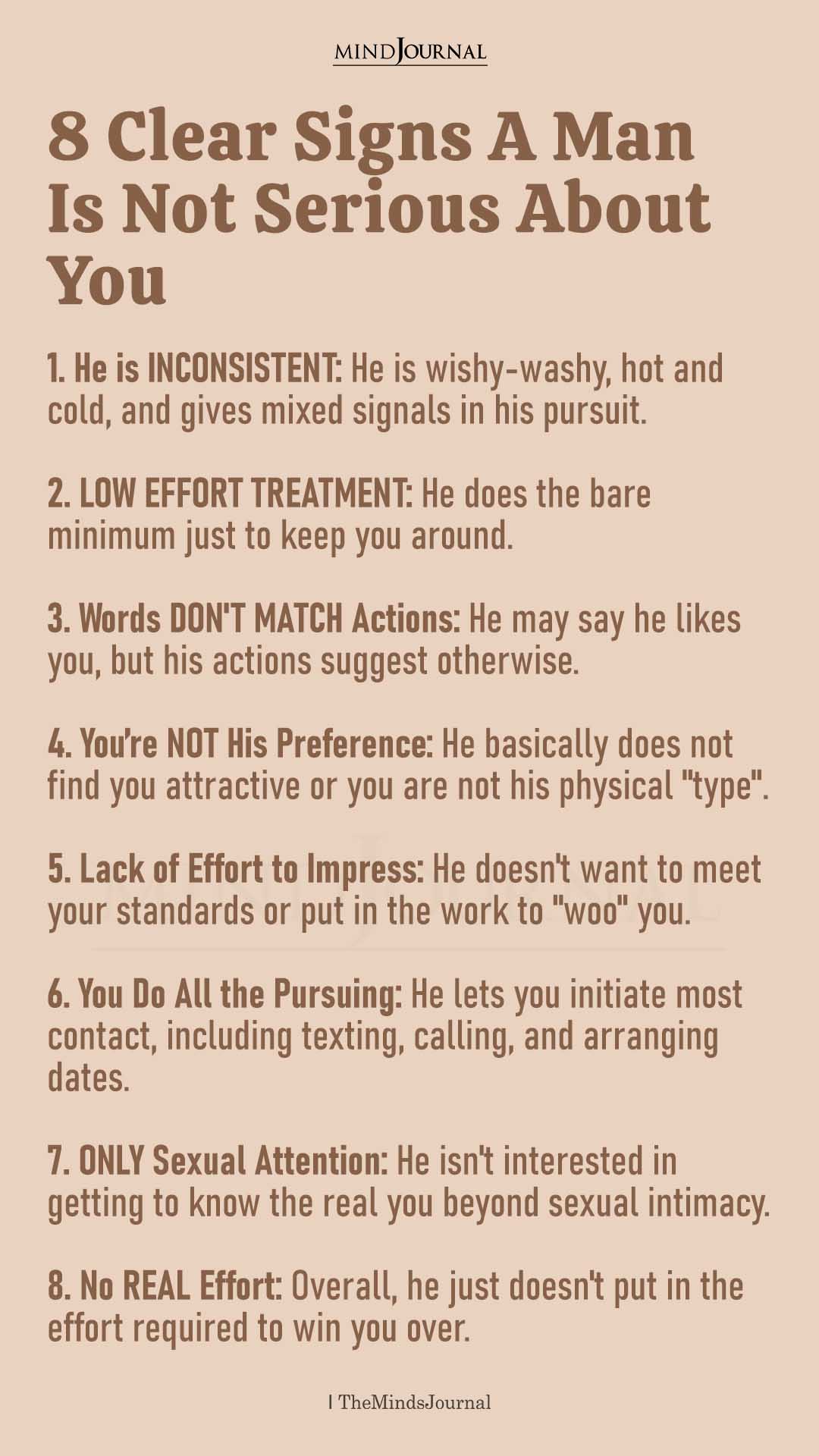
When a romantic partner begins to disengage, the shift in energy often creates confusion and self-doubt. Recognizing that someone’s feelings have changed is essential for preserving your emotional well-being and self-respect. Loss of interest typically manifests through reduced effort, emotional distance, physical withdrawal, and a lack of future planning. Accepting these signs allows you to process the reality of the situation and execute a structured, dignified strategy to move forward.
Understanding Behavioral Shifts in Relationships
Relationships fluctuate naturally over time, and a change in behavior does not always signify the end of romantic interest. High levels of work stress, personal tragedy, mental health challenges, or family emergencies can temporarily suppress a person's capacity for affection and enthusiasm. However, a crucial distinction exists between temporary emotional depletion and permanent romantic disengagement.
When someone is overwhelmed by external factors, their communication may decrease, but their baseline care, respect, and commitment to the relationship remain intact. They typically explain their stress, express regret for their unavailability, and make deliberate efforts to reassure you. Conversely, when a woman has lost romantic interest, her behavioral shift is persistent, unidirectional, and directed specifically at the relationship dynamics. Recognizing this distinction prevents unnecessary panic during stressful periods while ensuring you do not ignore consistent patterns of disinterest.
10 Clear Signs She Has Lost Romantic Interest
Evaluating romantic interest requires observing long-term patterns rather than isolated incidents. The following ten signs represent the most consistent behavioral indicators that a woman is emotionally checking out of a relationship.
1. Communication Effort Drops Significantly
In the early stages of romantic interest, communication flows easily and frequently. When interest fades, the frequency, depth, and enthusiasm of text messages, phone calls, and conversations diminish noticeably. You may find that you are initiating every interaction, receiving one-word responses, or waiting hours—or days—for simple replies without any explanation.
2. Emotional Vulnerability Disappears
Emotional intimacy relies on sharing thoughts, fears, dreams, and personal experiences. If she stops confiding in you, avoids discussing her inner life, or responds to your vulnerabilities with indifference, she is closing off the emotional bridge between you. Conversations shift entirely to transactional or surface-level topics.
3. Physical Affection and Intimacy Wane
A drop in physical affection—such as holding hands, hugging, kissing, or sexual intimacy—is one of the clearest physical markers of emotional disconnect. If she pulls away from your touch, turns her body away during interactions, or treats physical intimacy as a chore rather than a shared connection, her romantic feelings have likely dissipated.
4. She Stops Initiating Plans
A partner who wants to build a connection actively creates opportunities to spend time together. If she no longer suggests dates, routinely declines your invitations, or cancels plans at the last minute without offering an alternative day, your presence is no longer a priority for her schedule.
5. Increased Irritability and Constant Criticism
When romantic attraction fades, tolerance often declines with it. You may notice that minor habits, jokes, or behaviors that she once found charming or neutral now provoke frustration, eye-rolling, or blunt criticism. This hostility often stems from unspoken resentment or an underlying desire to create distance.
6. You Are Omitted from Future Plans
Partners who see a future together discuss upcoming events, holidays, trips, and long-term goals as a team. If she speaks about her future exclusively in terms of "I" rather than "we," avoids confirming plans months in advance, or makes major life decisions without consulting you, she no longer views you as a long-term partner.
7. She Treats You Like a Casual Acquaintance
The tone of interaction shifts from romantic to platonic or polite. She may speak to you in the exact manner she speaks to a casual colleague, coworker, or acquaintance. This "friend-zoning" within an existing relationship indicates that she has recategorized your role in her life.
8. Indifference Replaces Conflict
While excessive arguing is harmful, total indifference is often more dangerous to a relationship. If she no longer cares enough to resolve disagreements, stops expressing frustration when boundaries are crossed, or passively agrees to everything just to end the conversation, she has mentally checked out of the relationship's outcome.
9. Her Schedule Is Always Full Without You
Everyone requires personal space, hobbies, and social connections outside of a romantic relationship. However, if her free time is consistently filled with work, friends, hobbies, or solo activities while you receive only residual, last-minute availability, her personal priorities have shifted away from the partnership.
10. Direct Cues and Verbal Distance
Sometimes the clearest signs are direct. She may explicitly tell you that she needs "space," that she is "confused about what she wants," or that she feels "something is missing." Listening to explicit statements—rather than analyzing them for hidden meanings—is essential for understanding her true emotional state.
Comparing Romantic Engagement vs. Emotional Detachment
To help clarify where your relationship currently stands, the table below compares behaviors characteristic of active romantic interest against those typical of emotional detachment.
| Behavioral Dimension | Indicators of Active Interest | Indicators of Emotional Detachment |
|---|---|---|
| Initiation | Balanced efforts; frequently reaches out and suggests activities. | Unilateral; you initiate almost all calls, texts, and plans. |
| Communication Quality | Deep, engaging, curious about your life, quick to follow up. | Brief, late, transactional, or limited to one-word answers. |
| Response to Conflict | Seeks resolution, listens active, desires mutual understanding. | Exhibits indifference, avoids discussion, or walks away entirely. |
| Physical Intimacy | Spontaneous touch, eye contact, consistent affection. | Avoidance of physical contact, closed body language, stiff responses. |
| Future Orientation | Speaks in terms of "us" and includes you in long-term goals. | Speaks exclusively about personal plans; avoids commitment to dates. |
| Reaction to Good News | Celebrates your achievements enthusiastically. | Responds with neutral politeness or mild indifference. |
What to Avoid When You Notice Emotional Withdrawal
When you sense a partner pulling away, natural instincts often drive counterproductive behaviors. Panicking or acting out of fear usually accelerates emotional separation rather than fixing it.
Avoid Chasing or Over-Communicating
When text responses become brief, double-texting, sending long blocks of emotional text, or demanding constant updates will not restore attraction. Instead, these actions create pressure and reinforce the dynamic of one person pursuing while the other retreats.
Do Not Demand Reassurance Repeatedly
Asking "Do you still love me?" or "Are we okay?" multiple times a week forces your partner into an uncomfortable position. It conveys deep insecurity and puts pressure on them to offer false reassurances, which damages honest communication.
Avoid Hostility or Guilt Trips
Attempting to guilt a partner into spending time with you or expressing anger over their waning feelings builds resentment. Emotional connection cannot be forced through obligation, anger, or manipulation.
A Step-by-Step Framework to Move On with Dignity
Accepting that a relationship has ended or that interest has permanently faded is difficult, but taking structured steps protects your self-respect and speeds up emotional recovery.
RECOVERY & TRANSITION PROCESS
- Clear Assessment & Honest Conversation
- Direct dialogue to clarify the relationship state
- Acceptance of Reality & Decisive Boundary Setting
- Accept the outcome without bargaining or pleading
- Implementation of the No-Contact Rule
- Stop tracking updates; create space for emotional healing
- Focus on Personal Growth & Rebuilding Self-Worth
- Reinvest in career, fitness, hobbies, and real-world network
Step 1: Initiate a Clear, Direct Conversation
Before making absolute decisions, have one candid, calm conversation. State your observations without hostility: "I've noticed a shift in our dynamic over the past few weeks, and it feels like your priorities or feelings might have changed. I want to check in and get your honest perspective on where we stand." This gives her a safe space to express her feelings directly.
Step 2: Accept the Reality Without Bargaining
If she confirms that her feelings have changed or continues to offer vague, evasive answers while maintaining behavioral distance, accept the answer. Do not offer to change your fundamental personality, beg for second chances, or settle for a degraded dynamic that leaves you unfulfilled.
Step 3: Implement the No-Contact Rule
To heal from emotional detachment, you need physical and digital space. The no-contact rule involves stopping all unnecessary texts, calls, and social media checking. This clear boundary breaks the psychological habit of seeking validation from someone who is no longer available to provide it.
Step 4: Reinvest Energy into Personal Growth
Redirect the effort you spent trying to fix the relationship into self-development. Focus on physical health, professional ambitions, personal creative pursuits, and strengthening relationships with trusted friends and family. Building a fulfilling personal life reduces reliance on romantic validation for self-worth.
Rebuilding Confidence and Looking Ahead
Experiencing romantic rejection often hits self-esteem hard, leading people to internalize the end of a relationship as a personal failure. It is vital to frame the situation accurately: romantic compatibility requires aligned timing, mutual effort, and shared feelings. A lack of interest from one person is not a measurement of your worth as an individual.
Moving forward involves recognizing that your time and emotional energy are valuable assets. Staying attached to someone who does not reciprocate your feelings prevents you from finding a partner who values you fully. Embracing independence, honoring your emotional boundaries, and taking pride in handling difficult situations with dignity lays the groundwork for healthier future relationships.
Frequently Asked Questions
Could her distance just mean she is stressed or going through a tough time?
Yes, severe personal stress, illness, or professional burnout can cause someone to temporarily retreat emotionally. However, a partner who cares about you will usually communicate that they are overwhelmed, reassure you of their feelings, and avoid completely cutting off affection over extended periods.
Should I call her out on these signs immediately?
Instead of accusing or confronting her aggressively, bring up specific observations calmly. Address the behavioral patterns as a shared topic to discuss, allowing her to explain whether the issue stems from outside stress or a shift in her romantic feelings.
How long should I wait for things to change before walking away?
If you have discussed your concerns calmly and noticed no positive adjustment in behavior over two to four weeks, it is generally time to reassess the relationship. Waiting indefinitely while receiving low effort erodes self-respect and prolongs emotional pain.
Can a woman regain interest after she has lost it?
While feelings can occasionally shift back if underlying relationship issues are addressed early, trying to force or manipulate someone into regaining interest rarely works. Chasing, pleading, or bargaining usually increases distance. The best approach is to step back, focus on your own growth, and allow her space to miss your presence naturally.
Is the no-contact rule necessary if we want to stay friends?
Attempting to transition immediately into a friendship right after a romantic decline or breakup often leads to confusion and continued heartbreak. Taking a sustained period of no-contact allows emotional attachment to clear, making a genuine, healthy friendship far more achievable down the road.
Taking Your Next Steps Toward Healing and Self-Respect
Recognizing that a partner has emotionally checked out is painful, but clarity is always better than lingering uncertainty. If the signs outlined here match your current experience, take a step back and evaluate the situation objectively. Prioritize your mental peace by addressing the issue directly through calm conversation, accepting the outcome with dignity, and setting clear boundaries to protect your emotional energy.
Focusing on self-improvement, physical well-being, and personal goals allows you to regain control over your life. Moving on is not about forgetting the past; it is about choosing to invest your time and affection where they are understood, valued, and fully reciprocated.