Effectively removing dark circles requires identifying the underlying cause—vascularity, pigment, or volume loss. Dermatologist-approved products for 2026 focus on active ingredients like stabilized Vitamin C, encapsulated retinol, and neuropeptides. These formulations brighten skin, stimulate collagen, and reduce puffiness to provide visible, long-term improvement in the delicate periorbital area.
Understanding the Pathophysiology of Dark Circles
Before selecting a product, it is critical to understand that "dark circles" is a catch-all term for several distinct physiological issues. Dermatologists typically categorize periorbital hyperpigmentation into four main types: vascular, pigmented, structural, and mixed.
Vascular dark circles often appear blue or purple. They are caused by thin, translucent skin that allows the underlying veins and capillaries to show through. As we age into 2026, the degradation of collagen makes this skin even thinner, exacerbating the visibility of the vascular network.
Pigmented dark circles appear brown or black and are caused by an overproduction of melanin in the skin around the eyes. This can be hereditary or caused by chronic sun exposure and inflammation.
Structural dark circles are actually shadows created by "hollowness" or the loss of fat in the tear trough area. When the area under the eye sinks, overhead lighting creates a shadow that looks like a dark circle but is technically a contour issue.
Treating these requires different active ingredients. A product designed for pigment will not fix a structural shadow, which is why a comprehensive approach using dermatologist-approved formulations is essential for clinical results.
Key Ingredients Validated by Dermatologists
In 2026, the gold standard for under-eye care involves a synergy of classic actives and new delivery systems. When scanning ingredient labels, dermatologists recommend looking for these specific components:
- Vitamin C (L-Ascorbic Acid or THD Ascorbate): A potent antioxidant that inhibits tyrosinase, the enzyme responsible for melanin production. It also stimulates collagen to thicken the skin.
- Retinoids: These vitamin A derivatives accelerate cell turnover and boost collagen production. For the eye area, encapsulated or "slow-release" versions are preferred to minimize irritation on the thin dermis.
- Caffeine: A vasoconstrictor that temporarily shrinks blood vessels and reduces fluid retention (puffiness), making it ideal for vascular-type circles.
- Hyaluronic Acid and Glycerin: Humectants that pull moisture into the skin. Plumping the skin with hydration can physically distance the surface from the underlying blue veins, reducing the appearance of vascular circles.
- Niacinamide (Vitamin B3): An anti-inflammatory agent that improves the skin barrier and helps brighten yellowish or sallow tones.
- Peptides: Short chains of amino acids that act as building blocks for proteins like collagen and elastin, helping to firm the skin over time.
Top 10 Dermatologist-Approved Products for 2026
The following products have been selected based on clinical efficacy, ingredient stability, and widespread endorsement by board-certified dermatologists for treating various types of under-eye concerns.
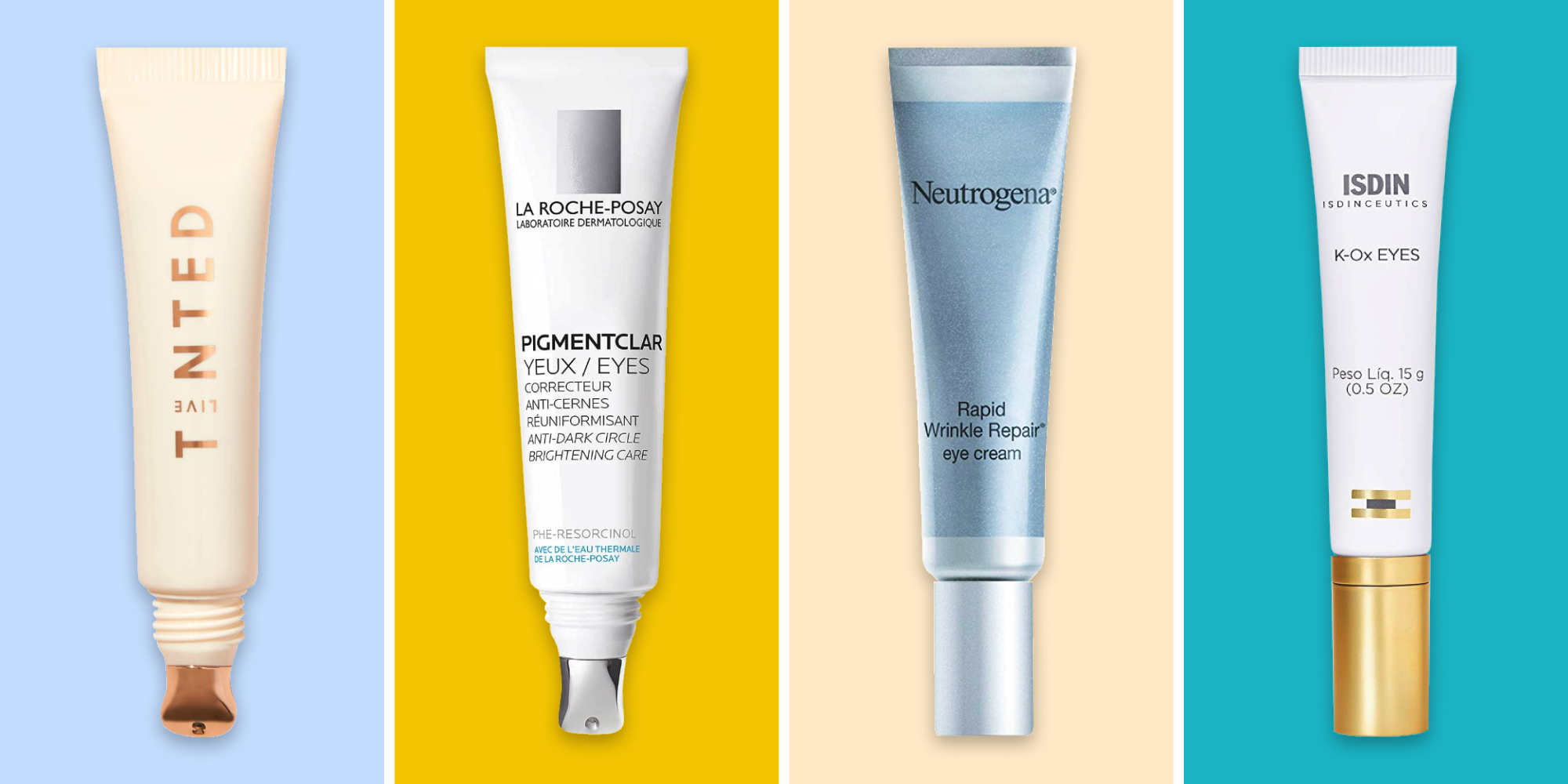
1. La Roche-Posay Pigmentclar Eyes
Specifically formulated for both blue and brown dark circles, this product utilizes a combination of Phe-Resorcinol and caffeine. The Phe-Resorcinol acts as a powerful brightening agent to target melanin-based circles, while the caffeine works on the vascular component. It features a unique metal cooling applicator that helps with lymphatic drainage and reduces morning puffiness.
2. SkinCeuticals A.G.E. Advanced Eye
This high-end cream is designed to fight the signs of glycation—a process where sugar molecules weaken collagen fibers. It contains a high concentration of Proxylane, which supports the skin’s matrix, and a blend of flavonoids and synergistic peptides. It is particularly effective for older patients whose dark circles are compounded by thinning skin and "crepiness."
3. RoC Retinol Correxion Line Smoothing Eye Cream
A long-standing favorite in the dermatological community, this drugstore staple remains a top contender in 2026 due to its stabilized retinol technology. It is mild enough for daily use but potent enough to stimulate significant collagen synthesis over 12 weeks. It is best suited for those looking to address both dark circles and fine lines simultaneously.
4. CeraVe Eye Repair Cream
For those with sensitive skin or a compromised skin barrier, CeraVe is the standard recommendation. It utilizes MVE Delivery Technology to release three essential ceramides and hyaluronic acid over 24 hours. The addition of a marine and botanical complex helps brighten the area without the irritation associated with stronger acids or retinoids.
5. The Ordinary Caffeine Solution 5% + EGCG
This is a highly concentrated serum focused specifically on vascular circles and puffiness. The 5% caffeine concentration is one of the highest on the market, providing immediate vasoconstriction. The addition of EGCG (Epigallocatechin Gallatyl Glucoside) from green tea leaves provides antioxidant protection against environmental stressors.
6. Ole Henriksen Banana Bright+ Eye Crème
Inspired by "banana powder," this cream uses gold-stabilized Vitamin C to provide both long-term brightening and immediate color correction. The yellow tint helps neutralize the purple/blue tones of vascular circles instantly, while the triple vitamin C complex works on hyperpigmentation over time.
7. Neutrogena Hydro Boost Eye Gel-Cream
This formula is a premier choice for structural circles caused by dehydration. By using a purified hyaluronic acid, it intensely hydrates the skin, "plumping" the area to reduce the depth of shadows. It is oil-free and non-comedogenic, making it safe for those prone to milia (small white bumps) around the eyes.
8. SkinMedica TNS Illuminating Eye Cream
This medical-grade product contains Growth Factors (TNS) alongside peptides and antioxidants. It is designed to improve the overall tone and texture of the skin. It also contains light-diffusing boron nitride, which helps mask dark circles immediately upon application while the growth factors work on the skin’s underlying thickness.
9. First Aid Beauty Niacinamide Brightening Eye Cream
This cream is excellent for those with "tired-looking" eyes. Niacinamide addresses the pigmentation, while pumpkin seed extract and caffeine soothe the area. It is formulated without harsh chemicals, making it a "clean" beauty favorite that dermatologists often recommend for patients with eczema or reactive skin.
10. Revision Skincare Teamine Eye Complex
Teamine is a specialized formulation that has been clinically proven to reduce the look of dark circles. It utilizes a unique blend of Vitamin K, which is often used by dermatologists to treat bruising and vascular issues, and potent antioxidants like Coenzyme Q10. It is a heavy-duty option for those who haven't seen results from standard over-the-counter creams.
Comparison of Top Eye Treatments
| Product Name | Primary Active | Best For | Price Point |
|---|---|---|---|
| La Roche-Posay Pigmentclar | Phe-Resorcinol & Caffeine | Mixed (Blue/Brown) | Mid-Range |
| SkinCeuticals A.G.E. Advanced | Proxylane & Peptides | Thinning Skin/Aging | Premium |
| RoC Retinol Correxion | Pure Retinol | Fine Lines & Pigment | Budget-Friendly |
| CeraVe Eye Repair | Ceramides & Niacinamide | Sensitive Skin | Budget-Friendly |
| The Ordinary Caffeine 5% | Caffeine & EGCG | Puffiness & Vascular | Budget-Friendly |
| Ole Henriksen Banana Bright+ | Gold-Stabilized Vit C | Instant Brightening | Mid-Range |
| SkinMedica TNS | Growth Factors | Structural/Integrity | Premium |
| Revision Teamine | Vitamin K & Peptides | Chronic Vascular Circles | Premium |
Optimal Application Techniques for Maximum Efficacy
Buying the right product is only half the battle; application technique significantly impacts results. The skin in the periorbital area is roughly 0.5mm thick, compared to 2mm on the rest of the face.
- The Ring Finger Rule: Always use your ring finger to apply eye products. It is the weakest finger, which ensures you don't apply too much pressure or tug at the skin, which can lead to further inflammation and darkening.
- Dot and Pat: Apply small dots of the product starting from the inner corner under the eye and moving outward toward the temple. Pat gently until absorbed rather than rubbing.
- Temperature Matters: For vascular circles and morning puffiness, storing your eye cream in a skincare fridge can enhance the vasoconstrictive effects of the ingredients.
- Order of Operations: Eye creams should generally be applied after serums but before heavy facial moisturizers. This ensures the specialized ingredients aren't blocked by thicker occlusives.
Limitations of Topical Treatments
While the products listed above are the best available in 2026, topical creams have physical limitations. According to the American Academy of Dermatology, dark circles caused by deep tear troughs (bone structure) or significant fat pad herniation (bags) may require clinical intervention.
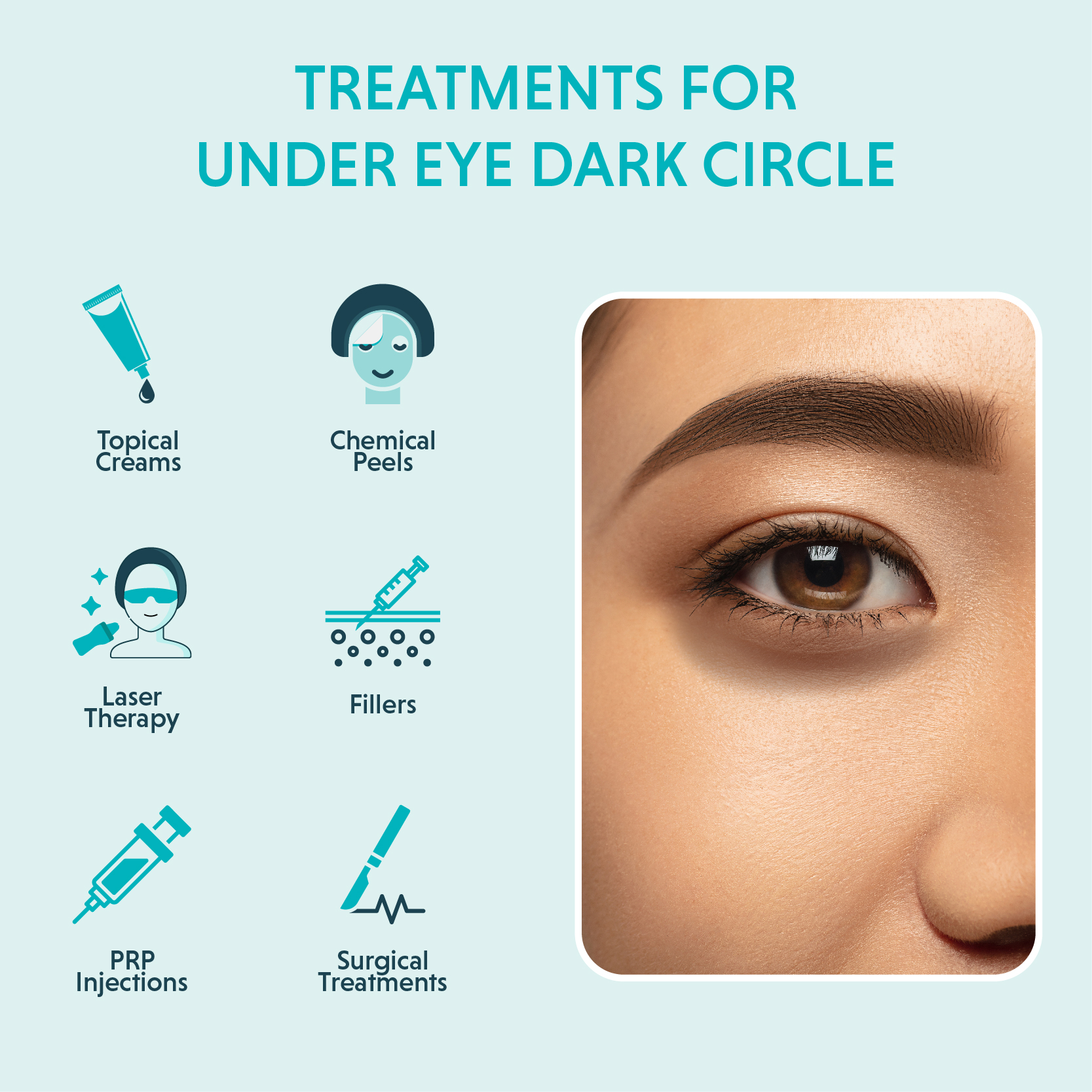
If topical treatments do not provide satisfactory results after 12 weeks of consistent use, dermatologists may recommend:
- Dermal Fillers: To fill the hollow area under the eye and eliminate structural shadows.
- Laser Therapy: Such as Q-switched or fractional lasers to target deep pigment or stimulate deep collagen.
- Chemical Peels: Specifically formulated for the eye area to lift stubborn pigmentation.
- Blepharoplasty: A surgical procedure to remove or reposition excess fat and skin.
Frequently Asked Questions
Can dark circles be removed permanently?
Whether dark circles can be removed permanently depends on the cause. If they are caused by lifestyle factors (lack of sleep, dehydration) or temporary hyperpigmentation, they can often be resolved permanently with the right routine. However, circles caused by genetics or bone structure usually require ongoing maintenance with topical products or periodic clinical treatments.
How long does it take for eye creams to work?
Skin cell turnover takes approximately 28 to 40 days. For products containing retinol or Vitamin C, you should expect to see initial results in 4 to 6 weeks, with maximum results appearing after 3 to 4 months of consistent nightly application.
Does drinking more water help with dark circles?
Hydration plays a significant role in skin "plumpness." When you are dehydrated, the skin becomes more translucent and sallow, making underlying blood vessels more visible. While water alone won't cure genetic hyperpigmentation, proper systemic hydration is a prerequisite for any topical eye treatment to work effectively.
Why do some eye creams cause more puffiness?
This is often due to applying the product too close to the lash line or using a formula that is too heavy (occlusive) for your skin type. If a product migrates into the eye or blocks the small pores around the eye, it can cause irritation or fluid retention. Always apply product along the orbital bone, about a half-inch below the eye.
Selecting Your Targeted Solution
To achieve the best results, start by diagnosing your circle type. If your circles disappear when you stretch the skin, they are likely vascular; if they move with the skin, they are pigmented. Select a product from the list above that matches your specific diagnosis. For most users in 2026, a "mixed" approach—using a Vitamin C serum in the morning and a Retinol or Peptide cream at night—yields the most comprehensive improvement in brightness, thickness, and overall eye health.