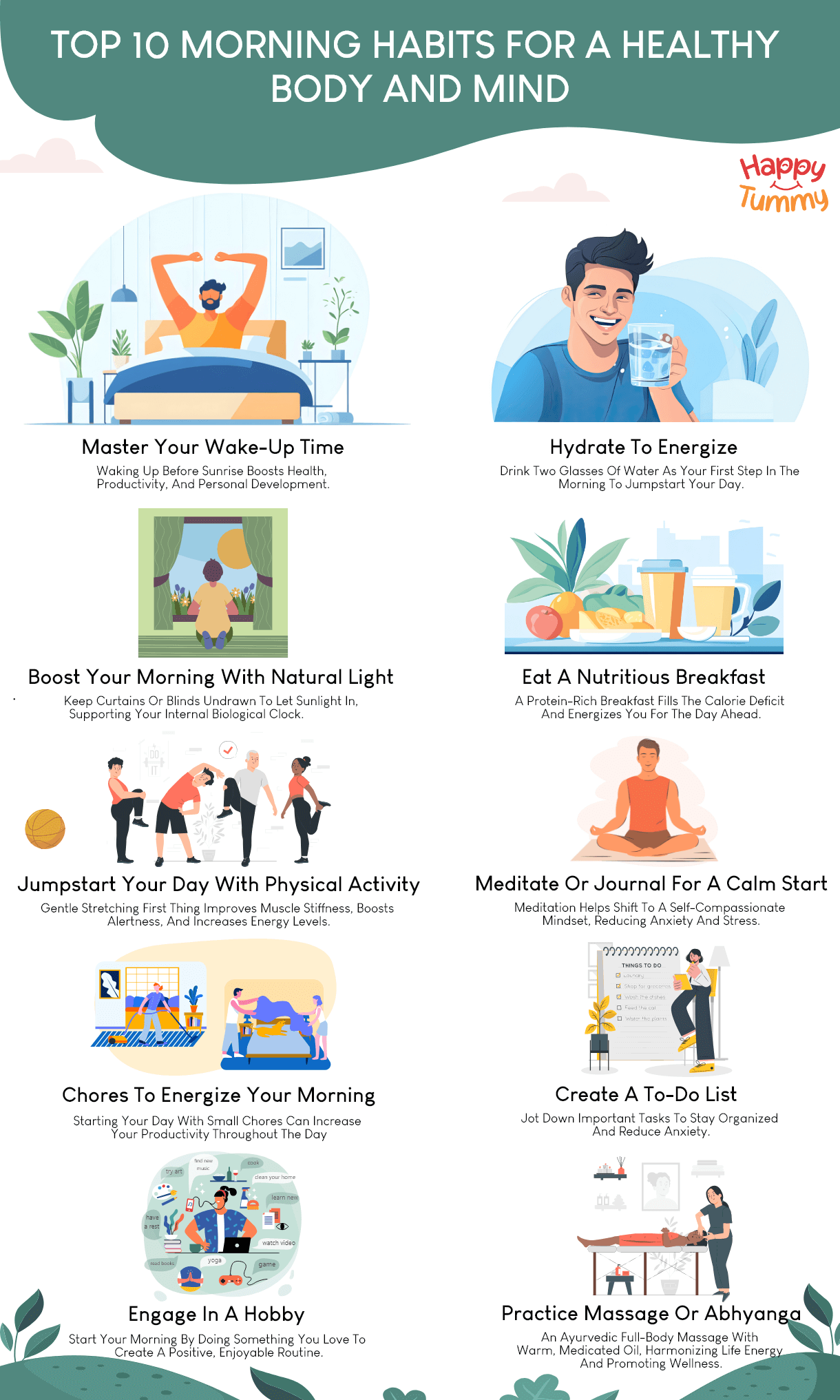
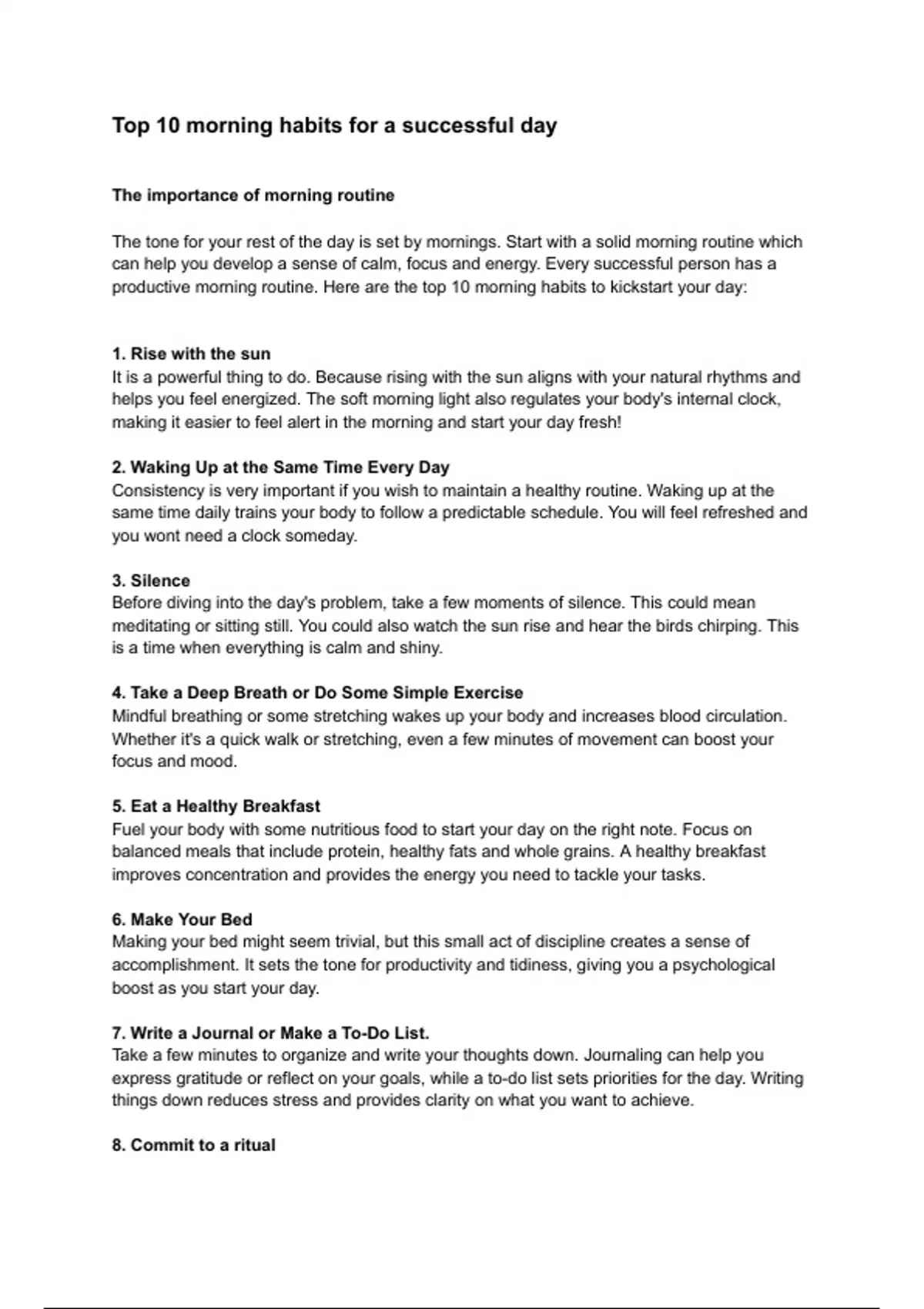
Establishing a productive morning routine requires a focus on neurobiological alignment, strategic hydration, and intentional cognitive prioritization. By optimizing your first two hours—focusing on sunlight exposure, delaying caffeine, and tackling high-leverage tasks—you stabilize your circadian rhythm and manage dopamine levels for sustained focus throughout the entire day.
The Neurobiology of Morning Productivity
To understand why specific habits work, one must first understand the state of the brain upon waking in 2026. The transition from sleep to wakefulness is governed by the Cortisol Awakening Response (CAR). Within 30 to 45 minutes of waking, your body naturally spikes cortisol levels to provide energy and alertness. A productive morning routine does not fight this process; it supplements it.
The primary goal of a morning routine is the clearance of adenosine, a chemical that builds up in the brain during the day to create sleep pressure. If adenosine is not cleared properly—or if it is merely "masked" by early caffeine—the result is the inevitable mid-afternoon crash. High-performance morning habits focus on natural adenosine clearance through light and movement rather than chemical stimulants.
Furthermore, in an era of hyper-connectivity, the morning is the last bastion of "deep time." How you treat your dopamine receptors in the first sixty minutes of the day dictates your "distraction threshold" for the remaining sixteen hours. By avoiding high-stimulus digital environments, you preserve your prefrontal cortex's ability to engage in complex problem-solving.
1. Seek Immediate Natural Light Exposure
The most foundational habit for a productive day is viewing natural sunlight within 30 minutes of waking. When photons hit the melanopsin-containing retinal ganglion cells in your eyes, they send a direct signal to the suprachiasmatic nucleus (SCN), the brain's master clock. This triggers the timed release of cortisol for immediate alertness and sets a timer for melatonin production roughly 14 to 16 hours later.
In 2026, experts emphasize that looking through a window is insufficient, as glass filters out the specific blue-light wavelengths required to trigger the SCN effectively. On a clear day, 5–10 minutes of direct outdoor exposure is enough; on an overcast day, 20–30 minutes is recommended. This habit anchors your circadian rhythm, ensuring you are not only productive today but also capable of high-quality sleep tonight.
2. Delay Caffeine Intake for 90 Minutes
While the instinct for most professionals is to reach for a coffee immediately, delaying caffeine by 90 to 120 minutes is a superior strategy for long-term energy. As mentioned, caffeine does not "create" energy; it is an adenosine antagonist that blocks the receptors that make you feel tired.
If you consume caffeine while your system still has residual adenosine from the night before, the caffeine will block the receptors, but the adenosine will remain in the brain. Once the caffeine wears off, the accumulated adenosine floods the receptors simultaneously, leading to a severe energy dip. By waiting 90 minutes, you allow your body to naturally clear that adenosine through light and movement, ensuring the caffeine you do drink provides a clean, sustainable boost without the afternoon crash.
3. Prioritize Strategic Hydration and Electrolytes
After 7 to 9 hours of sleep, the human body is physiologically dehydrated. Dehydration of even 1–2% of body weight can significantly impair cognitive functions, including memory and attention span. However, drinking plain water is often insufficient for rapid rehydration.
A high-performance morning habit involves consuming 16–20 ounces of water mixed with a pinch of high-quality sea salt or an electrolyte supplement containing sodium, potassium, and magnesium. Sodium is a critical co-transporter for glucose and water into the cells. By restoring electrolyte balance, you support the "sodium-potassium pump" in your neurons, which is essential for the electrical signaling required for fast thinking and mental clarity.
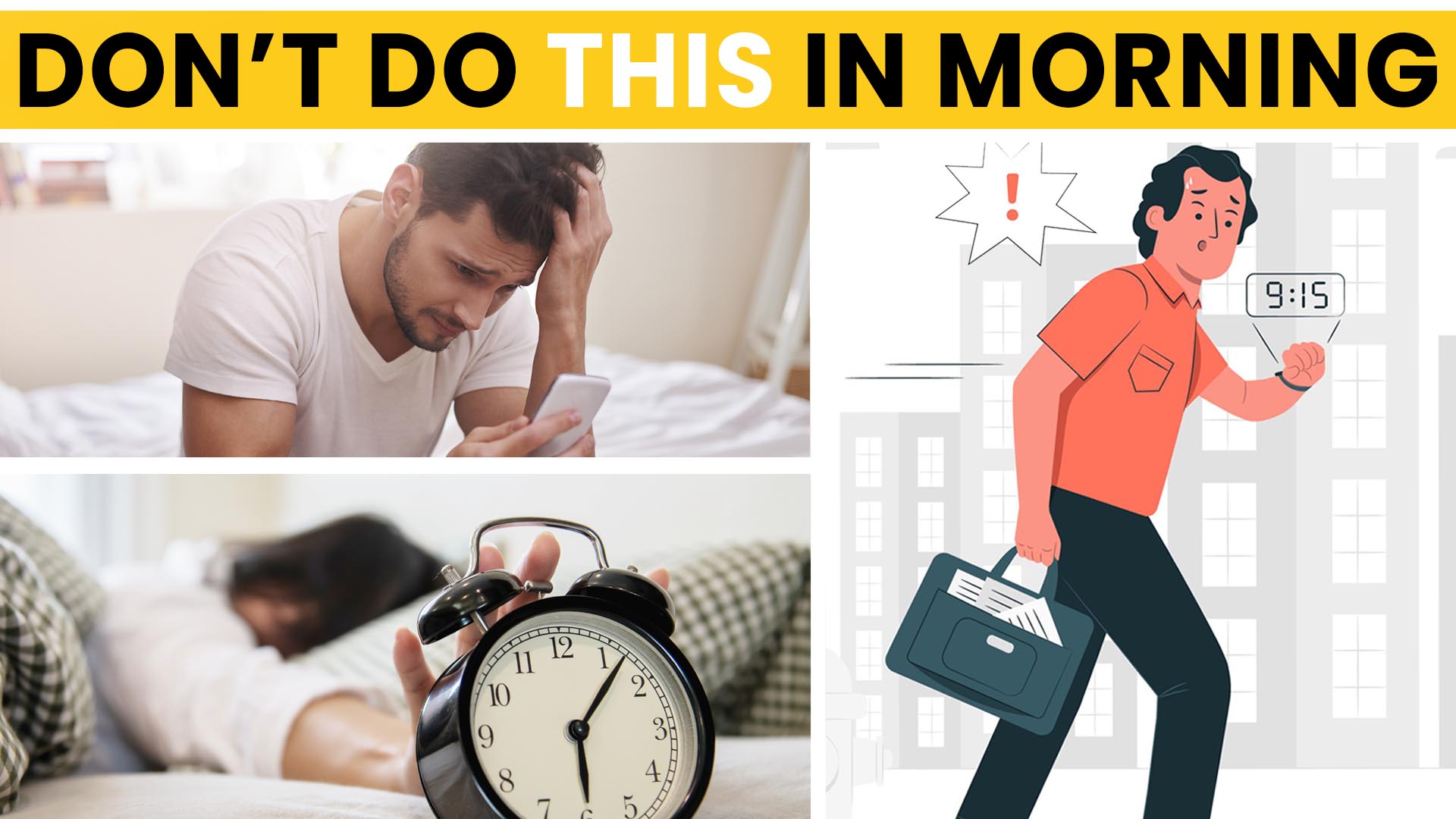
4. Implement a "Digital Fast" Until the First Break
In the current landscape of 2026, the temptation to check notifications, emails, or news immediately upon waking is at an all-time high. However, checking your phone first thing in the morning forces your brain to bypass the Alpha and Theta brainwave states (associated with creativity and calm) and jump straight into a high-stress Beta state.
This "reactive" mode trains your brain to respond to external stimuli rather than internal goals. By maintaining a digital fast until you have completed at least one "deep work" task, you protect your cognitive load. This habit preserves your limited supply of "executive function," allowing you to spend it on your most important projects rather than on triage for other people's priorities.
5. Engage in Zone 2 Movement or Mobility
You do not need an exhaustive 90-minute gym session to have a productive day. In fact, for many, a light "Zone 2" movement (where you can still hold a conversation) is more effective for morning priming. This could be a brisk walk, a light jog, or a dynamic stretching routine.
Movement increases blood flow to the brain and stimulates the release of Brain-Derived Neurotrophic Factor (BDNF), which acts like "Miracle-Gro" for your neurons. Furthermore, physical activity helps to mechanically flush the lymphatic system, which lacks its own pump. This "brain-washing" effect helps clear metabolic waste, leaving you feeling sharper and more focused.
6. Tackle the "Frog" During Peak Cortisol
Based on the "Eat the Frog" principle popularized by Brian Tracy, the most productive individuals dedicate their first work hour to their most difficult or meaningful task. This aligns with the natural peak in cortisol and body temperature that occurs in the late morning.
When you complete a significant task early, you trigger a "winning streak" effect. The resulting dopamine release increases your motivation for subsequent, easier tasks. Conversely, if you spend your morning on "shallow work" (like answering emails), you burn through your best mental energy on tasks that require the least amount of intelligence, leaving you drained when it is finally time to do the hard work.
7. Utilize Cold Exposure for Neurochemical Priming
Deliberate cold exposure, such as a 2-minute cold shower or a cold plunge, is one of the most potent tools for increasing focus. Research shows that cold exposure can increase levels of norepinephrine and dopamine by up to 250% and 300%, respectively.
Unlike the spike-and-crash associated with nicotine or sugar, the dopamine increase from cold exposure is slow and sustained, often lasting several hours. This creates a state of "relaxed alertness," which is the ideal psychological state for high-stakes meetings or deep analytical work. For those new to the habit, starting with 30 seconds of cold at the end of a warm shower is an effective entry point.
8. Practice Mindfulness or "Box Breathing"
Productivity is as much about emotional regulation as it is about time management. A brief 5-to-10-minute mindfulness or breathwork session helps calibrate the nervous system. Box Breathing (inhale for 4, hold for 4, exhale for 4, hold for 4) is a technique used by elite performers to stabilize the autonomic nervous system.
This habit reduces the "background noise" of anxiety. By slowing your respiratory rate, you signal to your brain that you are safe and in control, which prevents the "amygdala hijack" that often occurs when a stressful email or a tight deadline appears later in the morning.
9. Optimize Nutrition for Stable Blood Sugar
If you choose to eat breakfast, the composition of that meal is critical. A high-carbohydrate breakfast (like cereal or toast) triggers a massive insulin spike followed by a blood sugar crash, which results in "brain fog" by 11:00 AM.
For maximum productivity, focus on a breakfast high in protein (30–50 grams) and healthy fats. Protein provides the amino acids (like tyrosine) necessary for the production of dopamine and norepinephrine. If you prefer intermittent fasting, ensure you are staying hydrated with electrolytes to prevent the cortisol-driven "jitters" that can occur on an empty stomach.
10. Review the "Non-Negotiable Three"
Productivity is often lost in the transition between tasks. To avoid this, use the final five minutes of your morning routine to review your "Non-Negotiable Three." These are the three tasks that, if completed, would make the day a success regardless of what else happens.
This habit provides a mental roadmap. In the chaos of a 2026 workday, it is easy to get pulled into "urgent but unimportant" tasks. Having a pre-defined list of three priorities allows you to constantly re-center your focus when distractions arise.
Comparing Habit Impacts and Difficulty
The following table categorizes these habits by their primary biological target and the level of effort required to implement them sustainably.
| Habit | Primary Biological Target | Effort Level (1-5) | Impact on Focus |
|---|---|---|---|
| Sunlight Exposure | Circadian Rhythm / Cortisol | 1 | High |
| Delayed Caffeine | Adenosine Clearance | 3 | Very High |
| Electrolyte Hydration | Cellular Metabolism | 1 | Medium |
| Digital Fasting | Dopamine Regulation | 4 | Very High |
| Zone 2 Movement | BDNF / Blood Flow | 2 | High |
| Eat the Frog | Cognitive Load / Discipline | 5 | Very High |
| Cold Exposure | Norepinephrine / Dopamine | 4 | High |
| Box Breathing | Autonomic Nervous System | 1 | Medium |
| Protein-Rich Meal | Blood Sugar Stability | 2 | Medium |
| Planning the "Top 3" | Executive Function | 1 | Medium |
Overcoming the "All-or-Nothing" Fallacy
A common mistake in 2026 is the attempt to adopt all ten habits simultaneously. This often leads to "habit burnout." Productivity is a marathon, not a sprint. The most effective way to build a routine is to use habit stacking.
Choose one "anchor habit"—such as sunlight exposure—and perform it consistently for seven days. Once it becomes automatic, stack the next habit onto it (e.g., "After I view sunlight, I will drink my electrolyte water"). If you miss a day, apply the "never miss twice" rule. This prevents a single disruption from spiraling into a total abandonment of your productivity goals.
The Role of Personal Bio-Individualization
While the habits listed above are grounded in general human physiology, individual needs vary. In 2026, many professionals use wearable technology to track their "Readiness Score" or "Body Battery." If your wearable indicates that you had poor recovery or high overnight stress, you should pivot your morning routine toward "recovery-based" habits like longer meditation and lighter movement, rather than high-intensity cold plunges or "Eat the Frog" tasks.
Listen to your body’s signals. A productive morning is not one that leaves you exhausted by noon; it is one that manages your energy reserves so that you finish your workday with a sense of accomplishment and enough remaining energy for your personal life.
FAQ
How long should a morning routine take to be effective?
A morning routine does not need to be three hours long. In fact, many of the most effective habits can be compressed. You can get sunlight while walking (combining movement and light), and you can practice box breathing while your water boils. An effective, high-impact routine can be executed in as little as 30 to 45 minutes if you are intentional and avoid digital distractions.
Is it okay to skip breakfast for productivity?
Yes, many people find that "fasted productivity" is superior because the body is not redirecting blood flow to the digestive system. However, this is highly individual. If fasting causes you to feel shaky or irritable (due to low blood sugar), it will counter-productively impair your focus. If you skip breakfast, prioritize electrolyte hydration to maintain cognitive function.
Can I get my sunlight exposure through a window?
No. Standard window glass blocks a significant portion of the blue light and UV wavelengths necessary to trigger the suprachiasmatic nucleus. While it may look bright inside, the lux (light intensity) is significantly lower than it is outdoors. For the biological "reset" to occur, you must be outside or have a window completely open with no screen.
What if I work the night shift?
Night shift workers should simulate "morning" as best as possible. This involves using high-intensity light therapy lamps (10,000 lux) immediately upon waking and maintaining a consistent "wake-up" routine regardless of the clock time. The principles of adenosine clearance and dopamine management remain the same, even if the timing is inverted.
Does the order of these habits matter?
The order of light exposure and hydration should ideally come first to wake the system up. Delayed caffeine should strictly follow the 90-minute rule. Beyond that, the order can be adjusted to fit your personal schedule. Most find that doing the hardest task ("Eat the Frog") immediately after the "biological priming" habits (light, water, movement) yields the best results.
Implementation Strategy: Start with the "Foundation Three"
For immediate results, do not try to overhaul your entire life tomorrow. Instead, focus on the "Foundation Three" for the next seven days: Sunlight, Hydration, and Digital Fasting.
By simply viewing the sun, hydrating with electrolytes, and staying off your phone for the first hour, you will solve 80% of the energy and focus issues that plague the modern worker. Once these three feel effortless, you can begin layering in more "technical" habits like cold exposure or strategic caffeine timing. Success in 2026 is defined by the ability to maintain focus in a world designed to steal it; your morning routine is your primary defense.