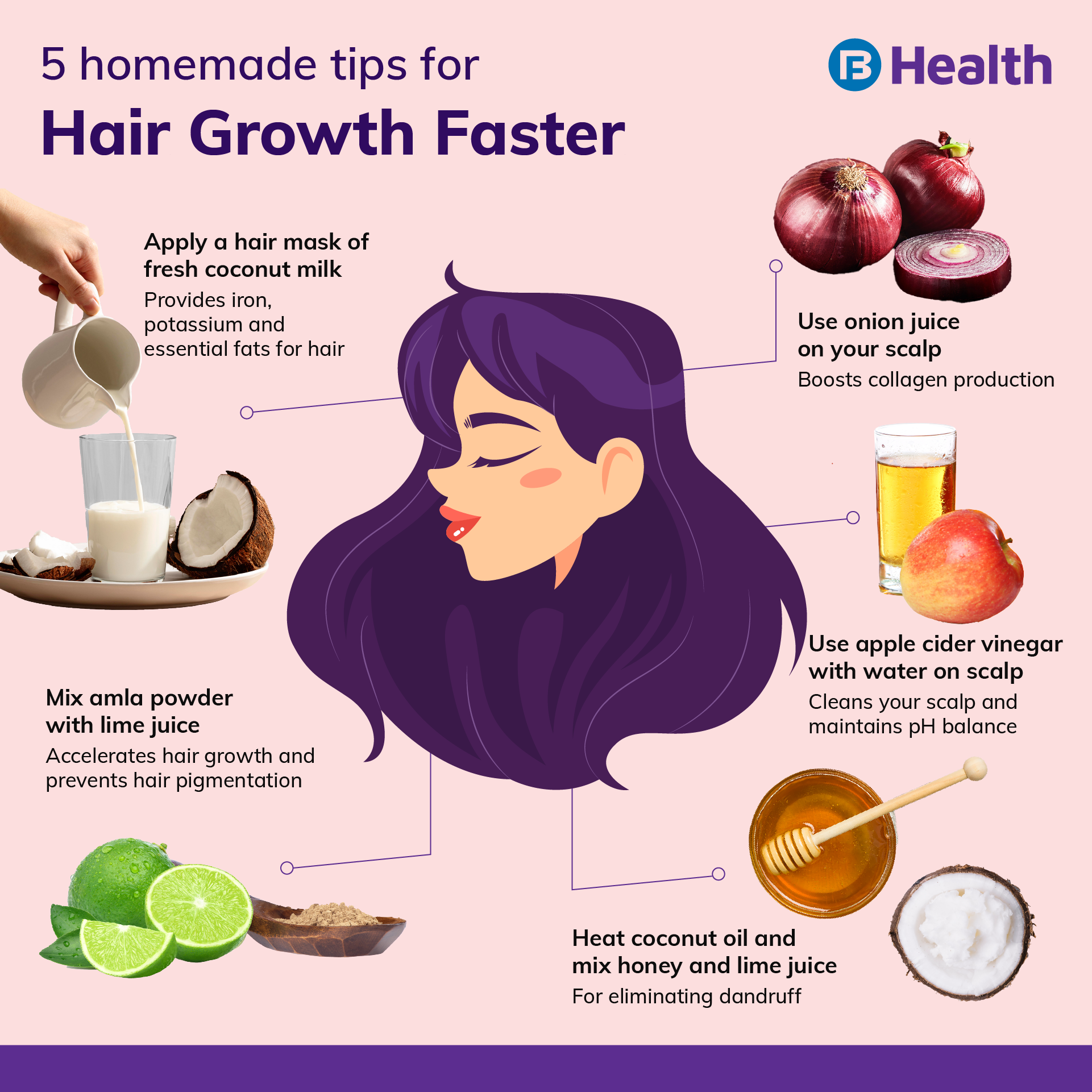
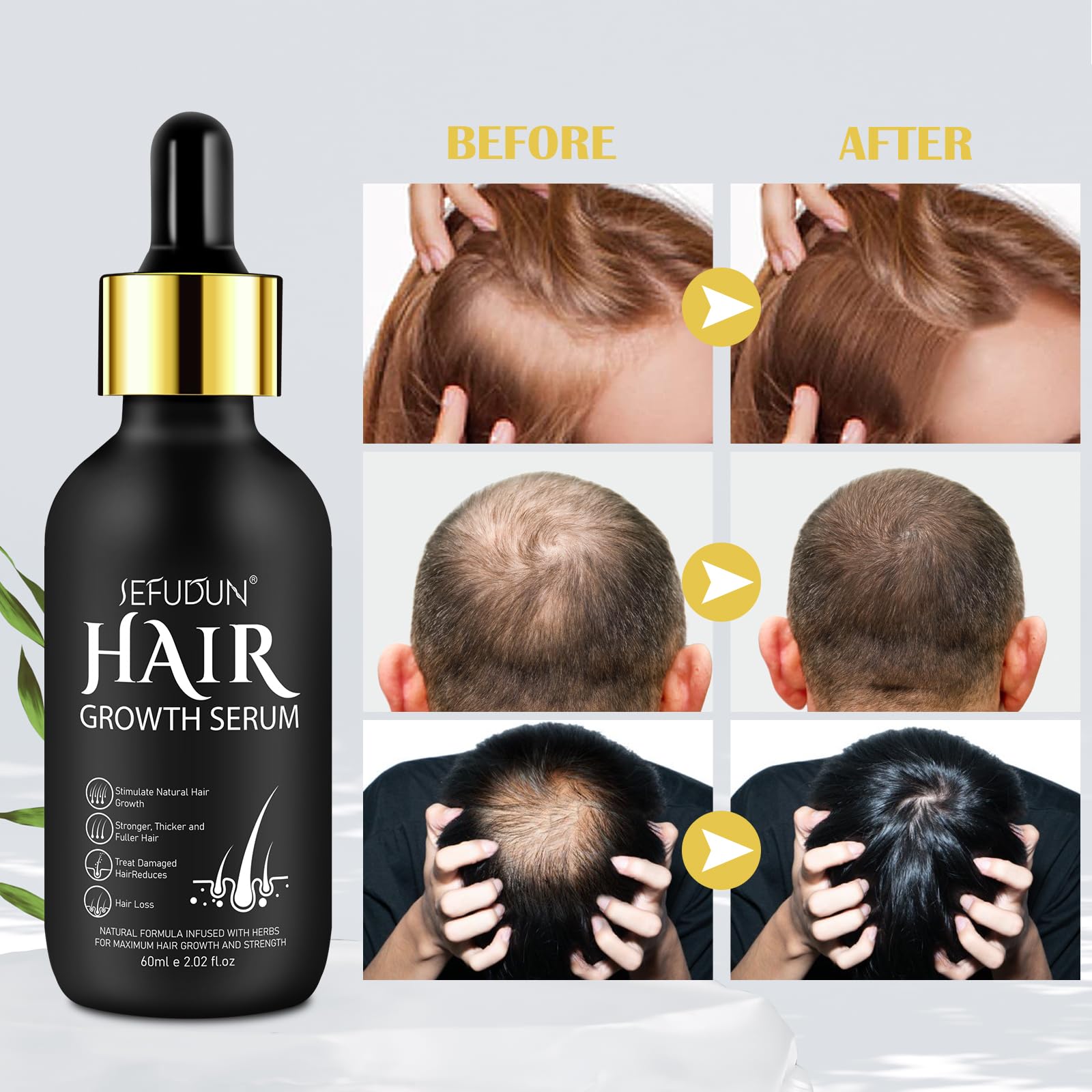
To achieve longer and stronger hair fast in 2026, the most effective approach involves combining scalp stimulants like Minoxidil or Rosemary oil with structural bond-builders such as K18. These treatments accelerate the follicular growth phase while preventing the breakage that often negates visible length gains, ensuring holistic hair health.
Understanding the Biology of "Fast" Hair Growth
When searching for ways to grow hair "fast," it is essential to understand the biological limitations of the human scalp. On average, hair grows approximately half an inch per month. While you cannot fundamentally rewrite your genetics to double this speed, you can optimize the environment to ensure the hair grows at its maximum potential rate and, more importantly, stays on your head without breaking.
The hair growth cycle consists of three primary phases: Anagen (growth), Catagen (transition), and Telogen (resting). Most effective treatments in 2026 focus on extending the Anagen phase and shortening the Telogen phase. Furthermore, "stronger" hair refers to the integrity of the hair cuticle and cortex. If your hair grows an inch but breaks off half an inch due to damage, your progress will seem slow. Therefore, the best treatments address both the follicle at the root and the protein structure of the strand.
1. Topical Minoxidil (5% and 2% Solutions)
Minoxidil remains the gold standard for clinical hair regrowth in 2026. Originally an oral blood pressure medication, its topical application has been refined over decades. It works as a vasodilator, widening the blood vessels around the hair follicles. This increased blood flow delivers more oxygen and nutrients to the root, effectively "waking up" dormant follicles and extending the growth phase.
In 2026, many users prefer the 5% foam formulation, which is generally less irritating than the propylene glycol-based liquid versions. It is important to note that Minoxidil requires consistency; missing doses can lead to a reversal of progress. Additionally, a "dread shed" is common in the first few weeks as the scalp pushes out old, weak hairs to make room for new, stronger ones.
2. Rosemary Oil and Specialized Botanical Blends
Rosemary oil has surged in popularity as a scientifically backed natural alternative to synthetic stimulants. Research has indicated that rosemary oil can be as effective as 2% minoxidil for certain types of thinning, with significantly less scalp itchiness and irritation.
The mechanism involves antioxidant properties and the improvement of microcirculation. In 2026, the most effective way to use this is through "scalp oiling"—massaging a diluted rosemary blend into the scalp for 5–10 minutes before washing. This mechanical stimulation combined with the oil's chemical properties encourages the follicles to remain in the Anagen phase longer.
3. Redensyl, Capixyl, and Procapil (RCP) Serums
Known in the industry as the "RCP" trifecta, these patented molecules represent the cutting edge of non-prescription hair density treatments. Unlike minoxidil, which focuses on blood flow, these peptides and plant-based molecules target the stem cells of the hair follicle and reduce the inflammation that leads to hair loss.
Redensyl, in particular, is often referred to as a "hair galvanizer." It targets the ORSc (Outer Root Sheath stem cells) to reactivate hair growth. These serums are typically water-based and non-greasy, making them ideal for daily application without ruining a hairstyle. In 2026, these are the preferred choice for individuals looking for "clean beauty" alternatives that still offer clinical-grade results.
4. Low-Level Laser Therapy (LLLT)
Technology-driven treatments have become much more accessible in 2026. LLLT involves the use of medical-grade lasers or LEDs that emit red light at a specific wavelength (usually around 650nm). This light energy is absorbed by the mitochondria in the hair cells, boosting ATP (adenosine triphosphate) production.
Increased cellular energy allows the follicle to work more efficiently. LLLT devices come in the form of caps, combs, or bands. While the upfront cost is higher than a bottle of serum, the long-term value is significant as these are one-time purchases. For the best results, LLLT should be used 3–4 times a week for approximately 15–20 minutes.
5. Platelet-Rich Plasma (PRP) Therapy
For those seeking the most rapid results possible, PRP is a leading clinical treatment. A medical professional draws a small amount of the patient's blood, spins it in a centrifuge to concentrate the platelets, and then injects this "liquid gold" back into the scalp.
Platelets are rich in growth factors that trigger intense healing and cell regeneration. In 2026, PRP is often used as a "jumpstart" for people experiencing sudden thinning or those who want to maximize their hair’s thickness quickly. Usually, a series of three treatments spaced a month apart is required to see significant changes in hair diameter and growth speed.
6. Scalp Microneedling (Derma Rolling)
Microneedling involves using a device equipped with tiny needles (usually 0.5mm to 1.5mm) to create micro-injuries on the scalp. This process does two things: it triggers the body’s natural wound-healing response, which releases growth factors, and it creates channels that allow topical serums (like Minoxidil or Redensyl) to penetrate much deeper into the skin.
Studies have shown that combining microneedling with topical treatments is significantly more effective than using topicals alone. However, 2026 guidelines emphasize caution: over-needling or using unsterilized equipment can cause scarring, which permanently kills hair follicles. It is generally recommended once a week or once every two weeks.
7. Bond-Building and Polypeptide Repairs
While growth starts at the scalp, "long and strong" hair is maintained at the ends. Modern bond-builders like K18 or Olaplex have revolutionized hair retention. These treatments work at a molecular level to reconnect broken disulfide or polypeptide bonds within the hair shaft.
When hair is chemically treated, heat-styled, or exposed to the sun, these internal structures break, leading to split ends and breakage. By using a bond-builder once a week, you ensure that the hair coming out of your scalp stays attached to your head. In 2026, the focus has shifted from "moisture" to "structural integrity."
8. Caffeine-Infused Topicals
Caffeine is not just for energy; it is a powerful DHT (dihydrotestosterone) blocker when applied topically. DHT is the hormone responsible for shrinking hair follicles in both men and women. Caffeine helps counteract this suppression, allowing the follicle to produce thicker, longer strands.
Many shampoos and leave-in conditioners in 2026 feature encapsulated caffeine, which allows the ingredient to stay on the scalp longer and penetrate the skin. This is an excellent "entry-level" treatment for those just starting their hair growth journey and wanting something easy to integrate into their existing routine.
9. Targeted Nutritional Supplements (Nutraceuticals)
In 2026, the market has moved beyond basic biotin pills. Advanced hair supplements now focus on "nutraceutical" ingredients like Marine Collagen, Saw Palmetto, and Ashwagandha. These ingredients address the internal causes of slow growth: protein deficiency, hormonal imbalance, and cortisol-induced shedding (stress).
Since hair is a non-essential tissue, the body diverts nutrients to vital organs first. By over-supplying the body with the specific amino acids and minerals required for keratin production, you ensure the "machinery" of the hair follicle has everything it needs to operate at peak speed.
10. Scalp Detox and Salicylic Acid Exfoliation
A clogged follicle cannot grow hair effectively. In 2026, the "skinification" of hair care has highlighted the importance of scalp exfoliation. Sebum, dead skin, and product buildup (especially from dry shampoos) can create a "plug" that thins the hair strand as it emerges.
Using a weekly scalp detox treatment containing Salicylic Acid or Glycolic Acid clears these obstructions and reduces inflammation. This ensures that every other treatment on this list can actually reach the follicle rather than sitting on top of a layer of debris.
Comparative Overview of Top Growth Treatments
| Treatment Type | Primary Mechanism | Difficulty | Estimated Time to Results | Best For |
|---|---|---|---|---|
| Minoxidil | Vasodilation (Blood Flow) | Medium (Daily) | 3–6 Months | Clinical thinning/Balding |
| Rosemary Oil | Circulation/Antioxidant | High (Messy) | 6 Months | Natural/Holistic seekers |
| RCP Serums | Stem Cell Activation | Easy (Daily) | 2–4 Months | Early thinning/Density |
| LLLT (Laser) | ATP/Cellular Energy | Easy (3x Week) | 4–6 Months | Long-term maintenance |
| PRP Therapy | Growth Factor Injection | Professional | 2–3 Months | Rapid intervention |
| Microneedling | Wound Healing/Absorption | Medium | 3 Months | Enhancing other topicals |
| Bond Builders | Structural Repair | Easy (Weekly) | Immediate (Strength) | Length retention/Damage |
Critical Factors for Success
Choosing the right treatment is only half the battle. To see real results by the end of 2026, you must adhere to three core principles:
- Consistency Over Intensity: Using a treatment once a week when it is designed for daily use will not yield results. The hair cycle is slow; you are essentially training the follicles over several months.
- Scalp Health is Foundation: If your scalp is flaky, itchy, or excessively oily, treatments will not penetrate effectively. Address dandruff or dermatitis before starting high-potency growth serums.
- Holistic Protection: Do not ignore the "stronger" part of the equation. Avoid high-tension hairstyles (tight ponytails) and excessive heat, which can cause mechanical breakage that masks your actual growth progress.
Common Mistakes in Hair Growth Journeys
Many people fail to see results because of avoidable errors. First is the premature abandonment of a product. Because the hair cycle takes months, many users quit after four weeks, thinking a product "doesn't work," just as the follicles are beginning to respond.
Second is the overuse of products. Applying twice the recommended amount of Minoxidil won't make hair grow twice as fast, but it will increase the likelihood of side effects like headaches or scalp irritation. Finally, ignoring internal health—such as iron or Vitamin D deficiencies—can make even the most expensive topical treatments ineffective.
Frequently Asked Questions
How fast can I actually see hair growth results?
While some structural treatments like bond-builders show results in one use, follicle-stimulating treatments usually take 90 to 120 days to show visible new growth. This timeline aligns with the natural resting and growing phases of your hair.
Do I have to use these treatments forever?
For medical treatments like Minoxidil, the results are typically "maintenance-dependent," meaning if you stop, the hair that grew because of the medication may eventually shed. However, treatments aimed at repairing damage (like bond-builders) or improving general scalp health provide lasting benefits to the existing hair.
Can I mix different growth treatments?
Yes, and in 2026, "stacking" is a common strategy. For example, using a caffeine shampoo, followed by a Redensyl serum, and performing weekly microneedling is a highly effective synergistic routine. However, always introduce one new product at a time to monitor for scalp sensitivity.
Does "fast" growth cause thinner hair?
No. If the growth is supported by proper nutrition and follicle stimulation, the hair should emerge healthy. The only exception is if you are using harsh chemicals that irritate the scalp, which can lead to inflammation and temporary thinning.
Is rosemary oil really as good as minoxidil?
Recent comparative studies have shown that for androgenetic alopecia, 2% Minoxidil and concentrated Rosemary oil yielded similar results after six months. However, Minoxidil often works faster, while Rosemary oil is better tolerated by those with sensitive skin.
Your Strategy for Longer, Stronger Hair
To maximize your results in 2026, start by establishing a "Scalp First" routine. Clear away buildup with a salicylic acid exfoliant, then choose a primary stimulant—either the clinical route with Minoxidil or the peptide route with Redensyl. Combine this with a weekly microneedling session to increase efficacy. To ensure the length you grow stays on your head, integrate a molecular bond-builder and minimize heat styling. This multi-angled approach addresses growth, health, and retention simultaneously for the fastest possible results.