To choose the best air purifier in 2026, you should prioritize models equipped with True HEPA H13 or H14 filtration, a high Clean Air Delivery Rate (CADR) relative to your room size, and integrated laser particulate sensors. Top-rated options like the Coway Airmega and Levoit Core series offer the most efficient balance of quiet operation, long-term filter affordability, and smart home compatibility.
Understanding Air Purification Standards in 2026
The landscape of indoor air quality (IAQ) has evolved significantly. By 2026, the distinction between "HEPA-type" and True HEPA has become the primary filter for savvy consumers. True HEPA filters are certified to capture 99.97% of particles as small as 0.3 microns, including dust, pollen, mold spores, and many bacteria. In more advanced residential models, we now see the adoption of H14-grade filters, which increase that efficiency to 99.995%, moving closer to medical-grade standards.
Beyond the filter type, the Clean Air Delivery Rate (CADR) remains the most critical metric for performance. Established by the Association of Home Appliance Manufacturers (AHAM), CADR measures the volume of filtered air an atmospheric cleaner delivers, specifically for smoke, dust, and pollen. A practical rule for 2026 is the "two-thirds rule": choose a purifier with a smoke CADR that is at least two-thirds of your room's square footage. For example, a 300-square-foot room requires a CADR of at least 200.
Furthermore, energy efficiency has taken center stage. With rising energy costs, looking for the Energy Star 2.0 certification is no longer optional for budget-conscious households. Modern units are designed to run 24/7 on "Auto Mode," utilizing onboard laser sensors to detect air quality changes in real-time and adjusting fan speeds accordingly, which minimizes both noise and power consumption.
Key Evaluation Criteria for Modern Purifiers
When selecting an air purifier, performance is paramount, but the total cost of ownership (TCO) often surprises buyers. You must evaluate the unit based on four primary pillars:
- Filtration Stages: Most high-quality units utilize a three-stage process. A Pre-filter captures large lint and hair; an Activated Carbon Filter adsorbs odors and Volatile Organic Compounds (VOCs); and the HEPA Filter handles the microscopic particulates. In 2026, we also see an increase in specialized coatings to prevent mold growth on the filter media itself.
- Noise Levels (Decibels): Since air purifiers are often used in bedrooms, the noise on the lowest setting (Sleep Mode) should ideally be under 25 dB, which is quieter than a whisper. High-speed settings for "flash cleaning" can reach 50–60 dB, but these should only trigger when air quality is severely compromised.
- Maintenance Costs: A "cheap" purifier often has expensive replacement filters that need frequent changing. Calculate the annual cost of filters before purchasing. Some modern brands now offer "washable" pre-filters to extend the life of the more expensive HEPA core.
- Smart Integration: In 2026, the Matter-over-Thread protocol has become standard in high-end purifiers. This allows seamless integration with Apple Home, Google Home, and Amazon Alexa, providing a unified dashboard for indoor air quality and automated scheduling.
The 10 Best Air Purifiers of 2026
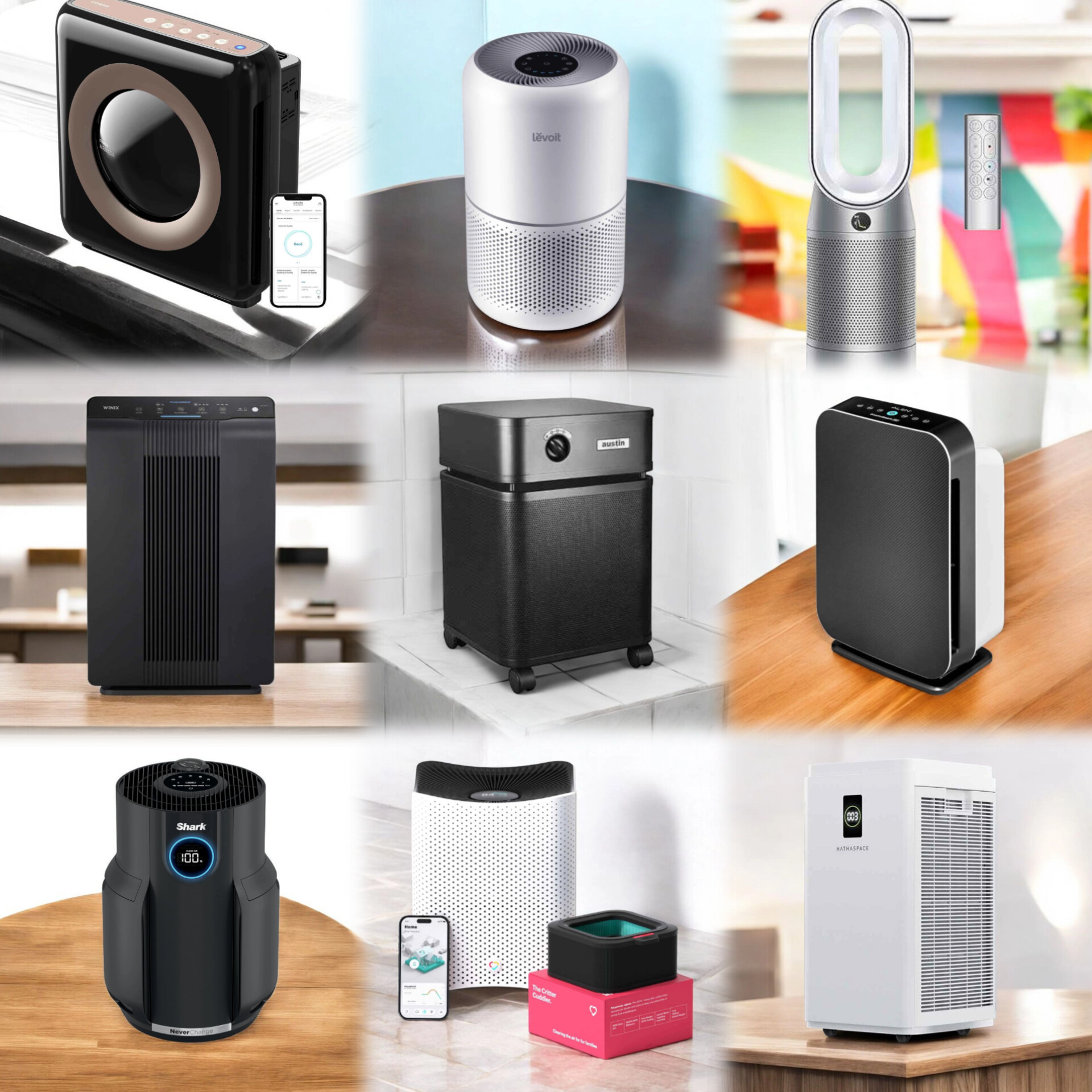
The following selections represent the current market leaders based on rigorous testing for filtration efficiency, durability, and user experience.
1. Coway Airmega 400S (Best Overall)
The Coway Airmega 400S continues to dominate the market due to its unique dual-suction design. By drawing air from two sides simultaneously, it processes larger volumes of air more quietly than single-intake models. It covers up to 1,560 square feet in 30 minutes, making it ideal for open-concept living areas. Its GreenHEPA filter is specially treated to neutralize captured bio-contaminants.
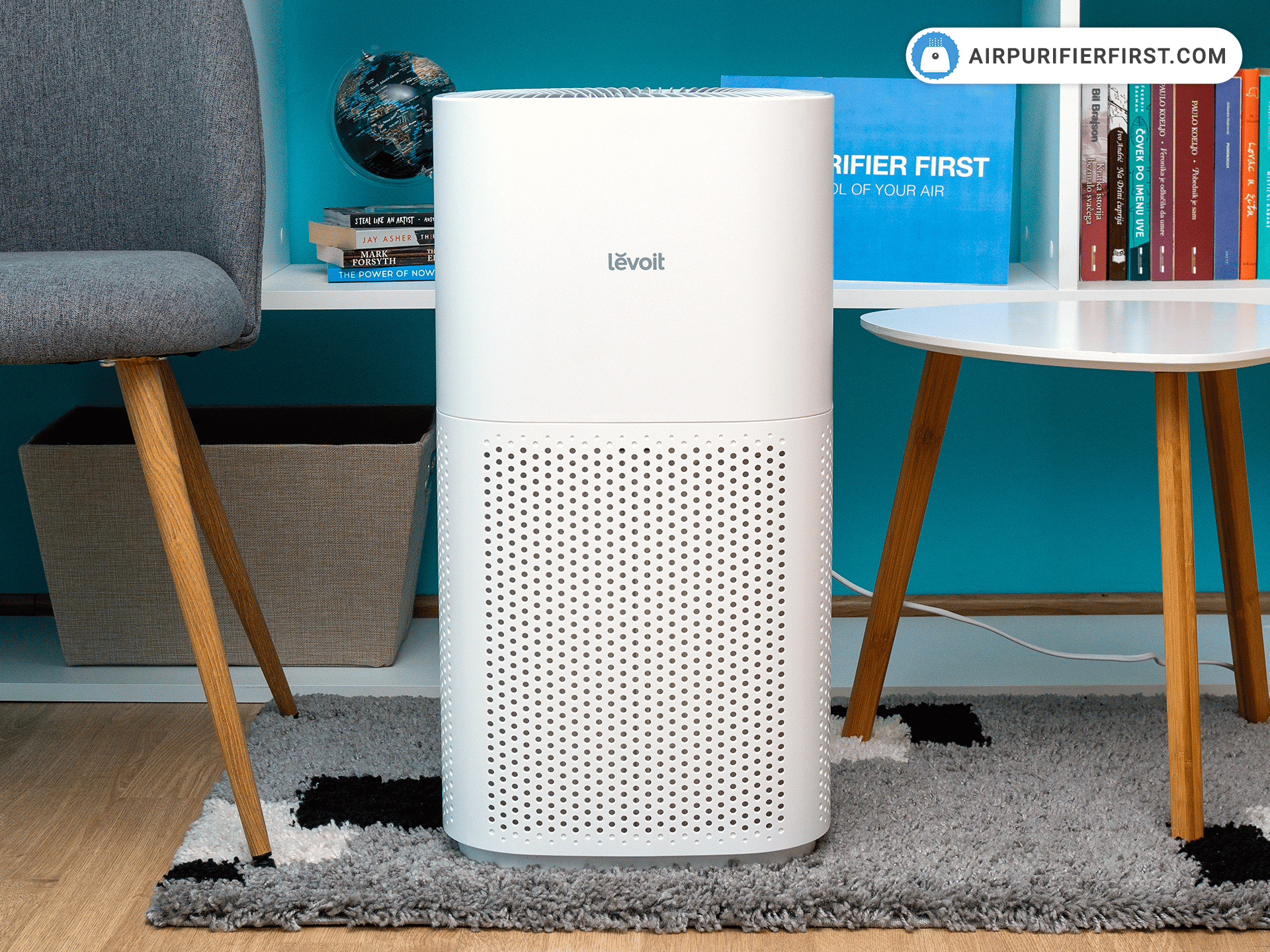
2. Levoit Core 600S (Best Value for Large Rooms)
Levoit has disrupted the high-end market with the Core 600S. It offers a massive CADR of 410 CFM (Cubic Feet per Minute) at a price point significantly lower than its competitors. The VortexAir Technology 3.0 improves air circulation patterns, ensuring that dead air pockets in the corners of large rooms are effectively treated.
3. Blueair Blue Pure 211i Max (Best for Rapid Cleaning)
The Blueair Max series utilizes HEPASilent technology, which combines electrostatic charging with mechanical filtration. This allows the filter to be less dense, meaning the fan doesn't have to work as hard, resulting in exceptionally high CADR with very low noise. It is particularly effective at removing fine smoke particles.
4. Dyson Purifier Cool Gen1 (Best Design and Multi-Functionality)
Dyson remains the leader in aesthetics and integrated technology. The Gen1 (and subsequent TP series) combines a powerful oscillating fan with a fully sealed HEPA H13 filtration system. While its CADR is lower than some "box" style purifiers, its ability to project air across a room makes it an excellent choice for personal cooling and consistent air circulation.
5. Alen BreatheSmart 75i (Best for Quietness and Warranty)
The Alen 75i is specifically engineered for bedrooms. It produces a "pink noise" frequency that many users find helpful for sleep. Furthermore, Alen is one of the few companies in 2026 still offering a Forever Warranty, providing significant peace of mind regarding the unit's long-term mechanical reliability.
6. Winix 5500-2 (Best Budget-Friendly Option)
Despite being an older design architecture, the Winix 5500-2 remains a top contender due to its PlasmaWave technology. This feature creates hydroxyls to help neutralize viruses and bacteria at a molecular level without producing harmful levels of ozone. It includes a washable AOC (Advanced Odor Control) carbon filter, which is rare at its price point.
7. IQAir HealthPro Plus (Best for Medical-Grade Filtration)
For those with severe respiratory issues or immunocompromised systems, the IQAir HealthPro Plus is the gold standard. It uses HyperHEPA filtration, which is tested to capture particles down to 0.003 microns—100 times smaller than standard HEPA. It is a bulky, industrial-looking unit, but its filtration performance is unmatched.
8. Mila Air Purifier (Best Smart Features)
Mila has revolutionized the user interface by providing detailed "over-the-air" updates and specialized filter "socks" for different needs (e.g., The Overachiever, The Rookie, The Critter Cuddler). Its mobile app provides the most granular data of any consumer purifier, including outdoor-vs-indoor air quality comparisons.
9. Honeywell HPA300 (Best Reliability)
The HPA300 is a workhorse. It lacks the smart features of 2026’s newer models, but its mechanical reliability and simple "plug-and-play" operation make it a favorite for those who want a device that just works. It uses a triple-filter setup that is widely available at almost every major retailer.
10. Blueair Protect 7470i (Best for Tech-Heavy Monitoring)
The Protect series is Blueair's premium line, featuring "GermShield" technology that proactively monitors your room and kills viruses and bacteria on the filter even when the unit is in standby mode. The LCD screen on top provides a real-time graph of PM1, PM2.5, and PM10 levels.
2026 Air Purifier Comparison Table
| Model | Recommended Room Size | Filter Grade | CADR (Smoke) | Best Feature |
|---|---|---|---|---|
| Coway Airmega 400S | 1,560 sq. ft. | True HEPA (Green) | 350 | Dual Suction Intake |
| Levoit Core 600S | 635 sq. ft. | HEPA H13 | 410 | High Value/CADR |
| Blueair 211i Max | 635 sq. ft. | HEPASilent | 410 | Lowest Noise at Speed |
| Dyson Purifier Cool | 400 sq. ft. | HEPA H13 | 120* | Cooling Fan Combo |
| Alen BreatheSmart 75i | 1,300 sq. ft. | HEPA H13 | 347 | Forever Warranty |
| Winix 5500-2 | 360 sq. ft. | True HEPA | 232 | PlasmaWave Tech |
| IQAir HealthPro Plus | 1,125 sq. ft. | HyperHEPA | 300 | Hospital-Grade Air |
| Mila Air Purifier | 1,000 sq. ft. | Custom HEPA | 294 | App Data Depth |
| Honeywell HPA300 | 465 sq. ft. | True HEPA | 300 | Mechanical Durability |
| Blueair Protect 7470i | 418 sq. ft. | HEPASilent Ultra | 270 | GermShield Monitoring |
*Dyson units use a different airflow measurement system; CADR is estimated based on independent third-party testing.
Choosing the Right Purifier for Your Specific Needs
Not all air quality problems are the same. A purifier that excels at removing dust might struggle with chemical odors (VOCs).
- For Allergies and Asthma: Look for a high CADR for pollen and dust. The American Academy of Allergy, Asthma & Immunology emphasizes the importance of HEPA filtration for reducing indoor triggers.
- For Wildfire Smoke and Odors: You need a unit with a heavy Activated Carbon Filter. Standard carbon filters are often just thin "scrims" coated in carbon dust. For serious smoke, look for "pelletized" carbon filters, which contain several pounds of actual carbon granules to adsorb gases.
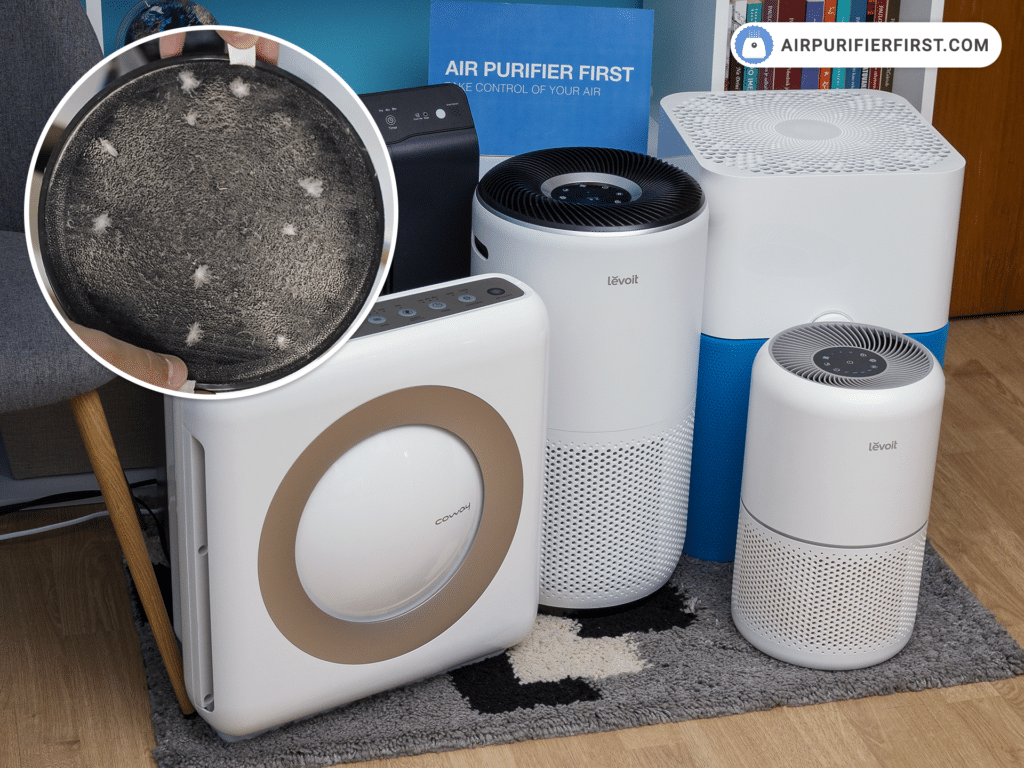
- For Pet Owners: A robust, easy-to-clean pre-filter is essential. Pet hair can quickly clog a HEPA filter, reducing its lifespan. Units like the Levoit Core series or the Coway Airmega have accessible pre-filters that can be vacuumed weekly.
Maintenance and Operational Costs
Buying the unit is only the first step. By 2026, many manufacturers have moved toward "Smart Filters" equipped with RFID chips that track actual usage rather than just a simple timer. This prevents you from replacing a filter too early or too late.
To maintain your unit:
- Vacuum the Pre-filter: Do this every 2–4 weeks. This prevents large debris from embedding in the HEPA media.
- Sensor Cleaning: Most modern purifiers have a small door on the side or back for the laser particulate sensor. Use a dry cotton swab to gently clean the lens every 6 months to ensure accurate air quality readings.
- Placement: Never place a purifier in a corner or against a wall. For maximum efficiency, it should be at least 12–18 inches away from any obstruction to allow for 360-degree air intake.
Frequently Asked Questions
Do air purifiers help with viruses like COVID-19 or the flu?
Yes, but with limitations. According to the Environmental Protection Agency (EPA), HEPA filters can capture the small droplets that carry viruses. However, air purification is only one part of a "layered defense" strategy that includes ventilation and hygiene. A purifier cannot stop a virus if it is transmitted through direct contact or close-range droplets before the air reaches the machine.
Is ozone from air purifiers dangerous?
In 2026, most reputable brands are "Ozone Free" or meet strict California Air Resources Board (CARB) standards. Avoid "ionizers" or "ozone generators" that intentionally produce ozone, as it is a lung irritant that can exacerbate asthma and other respiratory conditions.
Can I leave my air purifier on 24/7?
Modern air purifiers are designed for continuous operation. Using the "Auto Mode" is highly recommended, as it allows the machine to idle at low power when the air is clean and ramp up only when sensors detect particulates. This extends the motor life and the filter life compared to running it on "High" constantly.
How often should I actually change the HEPA filter?
Most HEPA filters in 2026 are rated for 6 to 12 months of use. However, if you live in an area with high pollution or smoke, you may need to change them every 3–4 months. Always follow the manufacturer’s indicator light, but also do a visual check; if the filter looks dark grey or black, it is saturated.
Final Recommendation for Home Air Quality
To make the best investment, start by measuring your room and checking the CADR ratings on the AHAM Verifide database. For most households, the Coway Airmega 400S offers the most versatile performance for large spaces, while the Levoit Core 400S or 600S provides the best budget-to-performance ratio. If you prioritize health data and smart home integration, the Mila or Blueair Protect series are the superior choices for 2026. Regardless of the model you choose, ensure it utilizes a True HEPA filter and that you have a plan for regular filter replacements to maintain peak performance.