The classic 1 dollar menu, once a staple of the American fast-food landscape, has transitioned from a literal price list into a strategic "value tier" dominated by digital loyalty apps and tiered pricing. While few individual entrées remain at the $1.00 price point in 2026 due to inflation and rising operational costs, the concept continues to define how major franchises structure their entry-level pricing and loss-leader strategies.
The Historical Significance of the Dollar Menu
To understand the 1 dollar menu in 2026, one must look back at its origins in the early 2000s. McDonald’s famously launched its national Dollar Menu in 2002, a move that revolutionized the quick-service restaurant (QSR) industry. At the time, the menu offered a variety of items—including the Big ‘N’ Tasty, the McDouble, and small fries—all for exactly 100 cents. This was a masterclass in "loss leader" marketing: attracting customers with ultra-cheap items in the hope they would also purchase high-margin products like large sodas or desserts.
For over a decade, this pricing model served as the gold standard for value. Competitors like Wendy’s and Burger King were forced to follow suit, creating their own versions to remain competitive. However, the economic feasibility of the literal $1.00 price point began to erode by the mid-2010s. Increased costs for beef, poultry, and labor meant that selling a burger for a dollar often resulted in a net loss for franchisees. This led to the "Dollar Menu & More" transition in 2013, which introduced items priced at $2.00 and $5.00, signaling the beginning of the end for the pure single-note price structure.
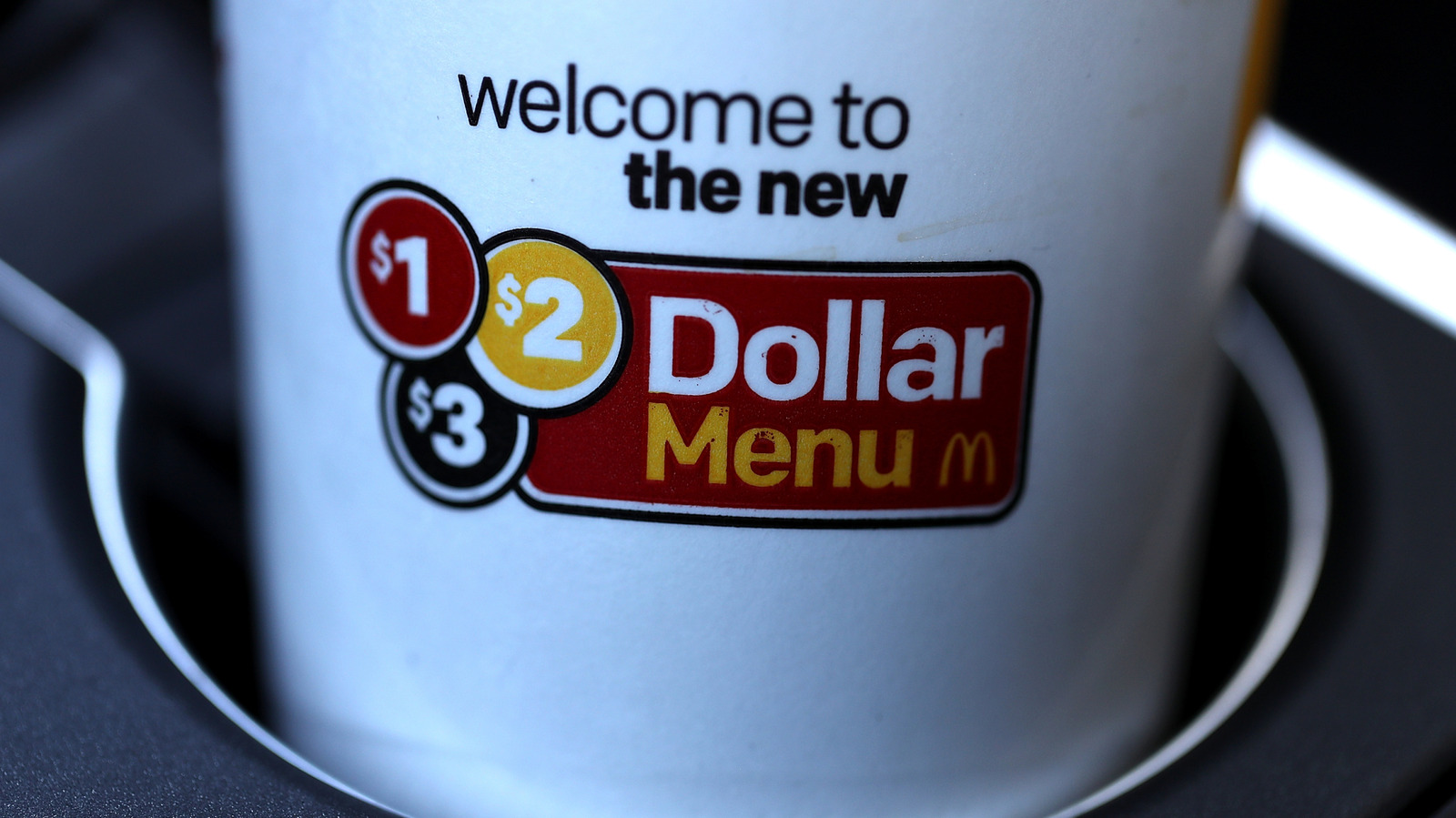
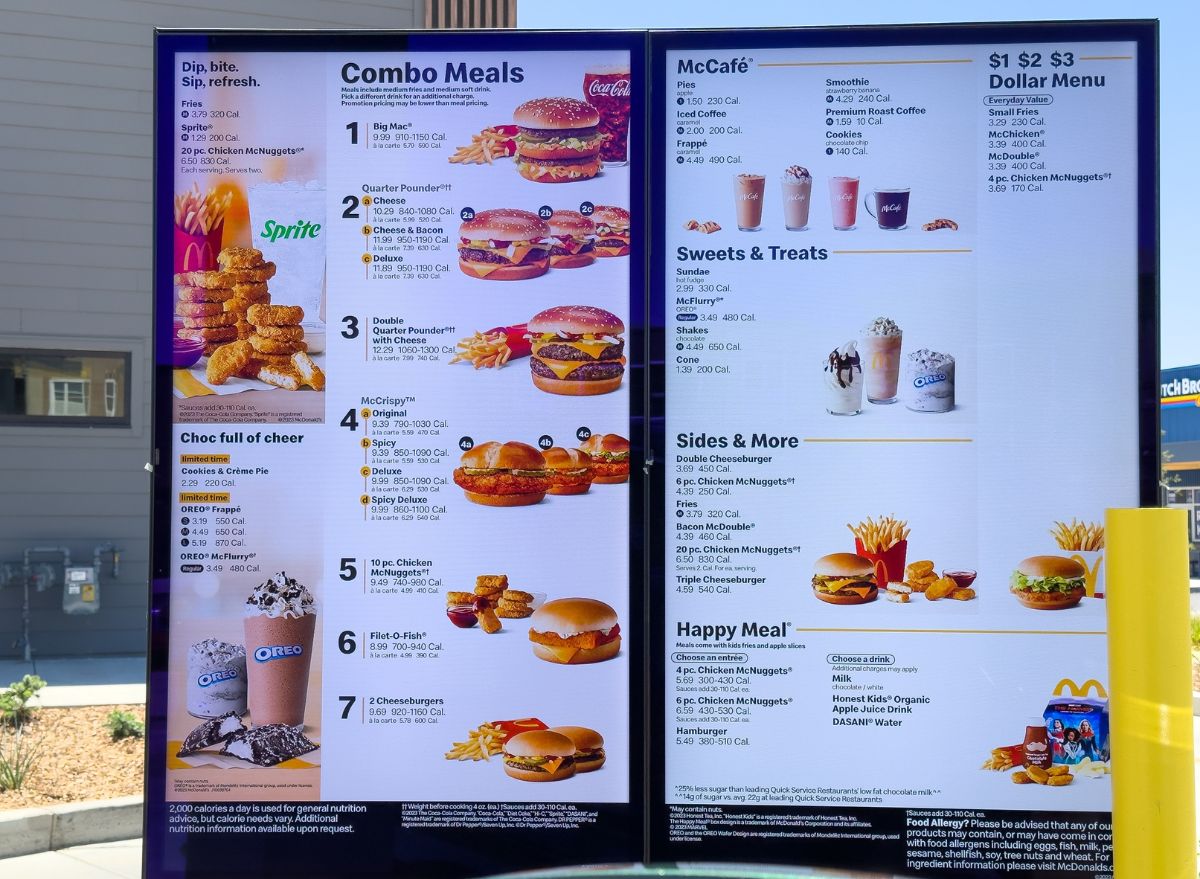
By the early 2020s, the "Dollar Menu" had largely morphed into the "$1 $2 $3 Menu." In 2026, this tiered approach is the primary way consumers interact with value pricing, though the "dollar" branding remains a powerful psychological tool in food marketing.
Economic Factors Driving Price Shifts in 2026
The disappearance of the literal 1 dollar menu is not a failure of marketing but a reflection of macro-economic realities. Several key factors have influenced why the "dollar" in "dollar menu" is now more of a category name than a literal price:
- Cumulative Inflation: Since the inception of the dollar menu in 2002, cumulative inflation has significantly reduced the purchasing power of $1.00. What cost a dollar in 2002 would need to be priced at nearly $1.75 today just to maintain the same value in real terms.
- Cost of Goods Sold (COGS): The price of core commodities—beef, wheat, and vegetable oils—has fluctuated significantly. Supply chain disruptions and changes in agricultural subsidies have made it impossible for restaurants to maintain fixed low prices on meat-heavy items.
- Labor Costs: In 2026, the push for higher minimum wages across various jurisdictions has increased the overhead for QSR franchises. To maintain profitability, restaurants have had to move away from fixed-price menus toward dynamic pricing models.
- Franchisee Autonomy: Most fast-food locations are owned by independent franchisees rather than the parent corporation. Franchisees have historically pushed back against national $1.00 mandates because their local costs (rent, utilities, and labor) may be much higher than the national average.
The Modern Value Tier: Digital Apps and Loyalty Rewards
In 2026, the true successor to the 1 dollar menu is found within mobile applications. The "Value Menu" has moved off the plastic boards behind the counter and onto the smartphone screen. Restaurants now use digital platforms to offer prices that feel like the old dollar menu but are contingent on data collection and customer loyalty.
By using an app, a consumer might find a "Buy One, Get One for $1" deal or a "Free Item with $1 Purchase" offer. These digital "coupons" allow franchises to maintain higher "shelf prices" for walk-in customers while offering deep discounts to their most frequent users. This shift also allows for personalization; the app might offer a $1.00 breakfast sandwich to a user who hasn't visited in a week but charge full price to a daily regular.
Furthermore, the "1 dollar menu" in 2026 often takes the form of reward points. For every dollar spent, users earn points that can eventually be redeemed for items that used to be on the dollar menu. This gamification of value has effectively replaced the need for a permanent, low-cost menu board.
Comparative Value Offerings Across Major Chains (2026 Estimates)
While prices vary by region, the following table illustrates how the "value" category is typically structured across major QSR brands in 2026. Note that "App Exclusive" prices often represent the closest approximation to the traditional dollar menu.
| Brand | Traditional Value Name | 2026 Entry-Level Items | Typical Price Range | Best "Dollar" Value Method |
|---|---|---|---|---|
| McDonald's | $1 $2 $3 Dollar Menu | Hash Browns, McDouble, Small Fries | $1.29 - $3.49 | Daily app deals (e.g., $1 Large Fries with purchase) |
| Taco Bell | Cravings Value Menu | Cheesy Bean & Rice Burrito, Spicy Potato Soft Taco | $1.19 - $2.99 | "Build Your Own Cravings Box" (Digital Only) |
| Wendy's | Biggie Deals | Jr. Cheeseburger, 4pc Nuggets, Small Frosty | $1.49 - $4.00 | The "Biggie Bag" bundles (Multiple items for $5-7) |
| Burger King | Have It Your Way | Rodeo Burger, Chicken Jr., French Toast Sticks | $1.39 - $3.25 | "Royal Perks" points redemption for $0 items |
| Arby's | 2 for $7 / 3 for $9 | Sliders, Curly Fries, Shakes | $1.99 - $4.50 | Limited-time "Dollar Slider" promotions |
Shrinkflation and Component Engineering
Another way the 1 dollar menu has survived into 2026 is through "shrinkflation" and "component engineering." Rather than raising the price above a dollar, some brands have chosen to reduce the portion size or change the ingredients to maintain a lower price point.
For example, a "value" burger might now utilize a 1.5-ounce patty instead of the 2-ounce patty common in the 2000s. Alternatively, items may be simplified—removing cheese, tomatoes, or special sauces—to keep the base price low, with additions costing extra. In 2026, we see a rise in "snack-sized" offerings: tiny wraps, "sliders," or "bites" that are specifically engineered to hit a $1.50 to $2.00 price target while remaining profitable for the restaurant.
This engineering also extends to beverages. Many chains have maintained $1.00 or $1.29 pricing for any size soft drink as a way to remain the "value destination," even if the food prices have climbed. Because the margin on fountain soda is exceptionally high, this remains the most sustainable remnant of the original dollar menu philosophy.
How Consumers Can Still Find $1.00 Deals
Despite the general upward trend in pricing, it is still possible to find items for approximately one dollar if the consumer is strategic. In 2026, the "hidden" dollar menu is found through the following methods:
- Bundling Incentives: Many chains offer a "side" or a "small" for $1.00 only when purchased as part of a larger meal or "deal box."
- Happy Hour Promotions: Specifically between 2:00 PM and 5:00 PM, several chains (notably Sonic and Taco Bell) offer drinks or specific snacks at a significant discount, often hitting the $1.00 mark.
- Local "Loss Leaders": In highly competitive urban markets, some franchises may still offer a "Value of the Day" where one specific item is discounted to $1.00 to drive foot traffic.
- Survey Coupons: Many fast-food receipts include a survey code. Completing the survey often yields a coupon for a "Buy One, Get One" deal or a free item with any purchase, effectively bringing the per-item cost down to the dollar range.
- National Holidays: Events like National Burger Day, National Taco Day, or National Fry Day frequently see brands reverting to temporary $1.00 pricing for marketing purposes.
Frequently Asked Questions
Does McDonald's still have a 1 dollar menu?
In 2026, McDonald’s utilizes a tiered "$1 $2 $3 Dollar Menu." While very few items remain exactly $1.00 (mostly small soft drinks or specific promotional items), the menu serves as a value-oriented category where items are priced significantly lower than the signature "Core" menu. Most $1.00 deals are now found exclusively through the McDonald’s Global Mobile App.
Why did the dollar menu disappear?
The primary reasons are inflation, which has devalued the dollar since the menu's inception in 2002, and the rising costs of labor and raw ingredients like beef and poultry. For a franchisee to sell a burger for $1.00 in 2026, they would often be losing money on every sale, which is unsustainable for a small business owner.
Are there any items you can still get for $1.00?
Yes, but they are limited. In 2026, $1.00 items are typically "add-ons" or small snacks, such as a single cookie, a small hash brown, a small fountain drink, or a "value" taco at certain regional chains. For substantial sandwiches or entrées, the entry price has generally shifted to the $1.50–$2.50 range.
Is the value menu different from the dollar menu?
Yes. A "value menu" is a broader term that includes any items priced competitively to attract budget-conscious diners. A "dollar menu" specifically implies a $1.00 price point. In 2026, almost all major chains have transitioned away from the specific "dollar menu" branding in favor of "value menus" or "cravings menus" to allow for more flexible pricing.
How do I find the best deals on the 1 dollar menu?
The most effective way is to download the specific restaurant’s loyalty app. In 2026, restaurants use these apps to offer "member-only" pricing that is often significantly lower than the prices listed on the physical drive-thru menu. Look for "Deal" tabs and "Rewards" sections where you can redeem points for free items.
Navigating Value in a High-Cost Environment
As we navigate the economic landscape of 2026, the 1 dollar menu serves more as a nostalgic benchmark than a current reality. To get the most value for your money, focus on leveraging digital loyalty programs and timing your visits during promotional windows. While the era of the "everything-for-a-buck" menu has largely passed, the competitive nature of the fast-food industry ensures that "value" will always exist, even if the price tag has evolved. For the modern budget diner, the goal is no longer finding the dollar menu, but rather optimizing app rewards to achieve that same legendary price-per-meal ratio.