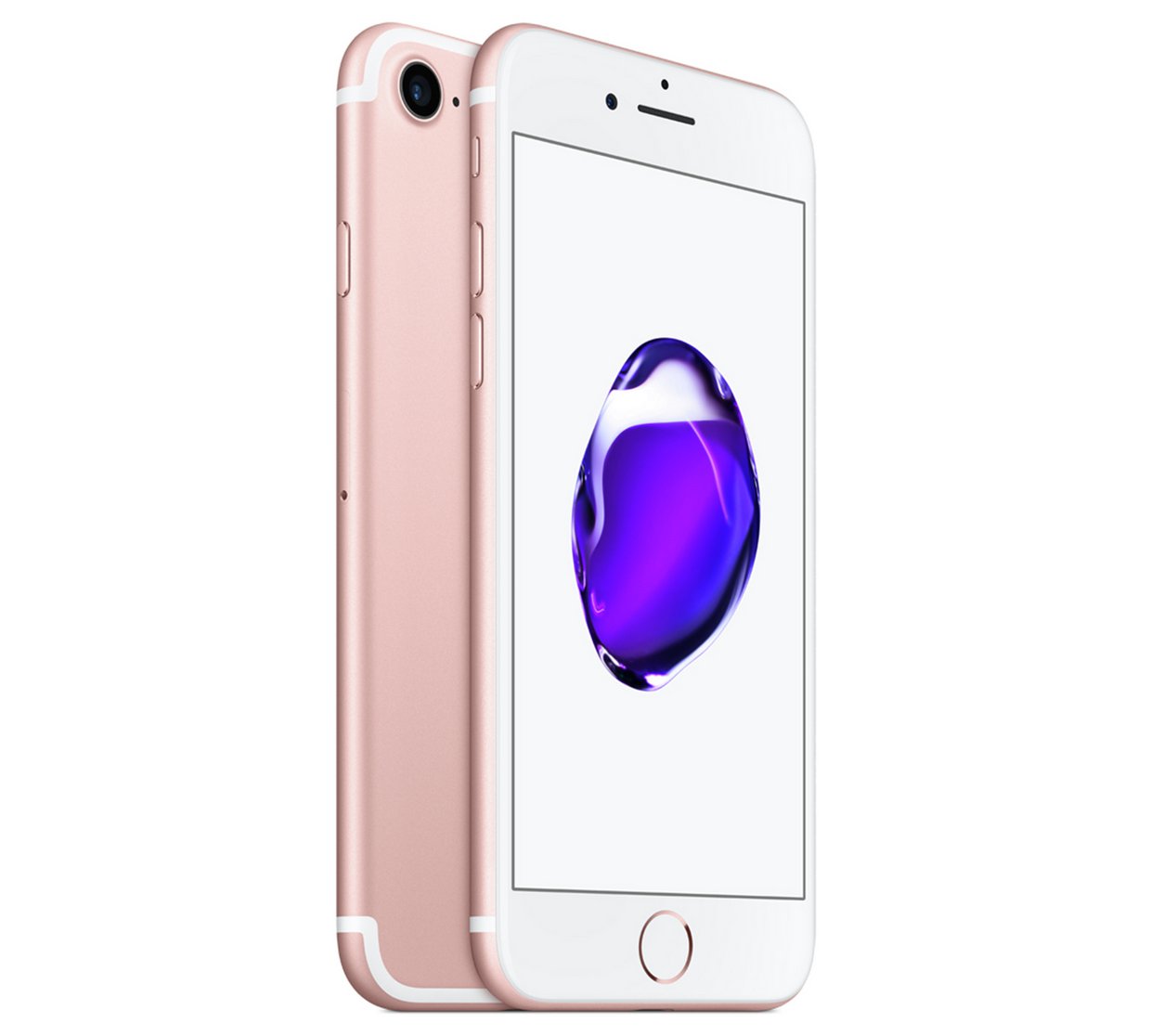
The Stuart Hughes iPhone 4 Diamond Rose Edition is one of the most expensive and exclusive pieces of bespoke technology ever commissioned, valued at approximately £5 million. This 32GB device features a hand-crafted rose gold bezel encrusted with 500 individual flawless diamonds, a rose gold rear section, and a single-cut 7.4ct pink diamond main navigation button.
The Craftsmanship Behind the World's Most Expensive iPhone 4
The creation of the iPhone 4 Diamond Rose Edition represents a pinnacle in the "masstige" and ultra-luxury technology markets. Designed by the renowned Liverpool-based jeweler Stuart Hughes, the device was commissioned by a private individual and limited to only two units worldwide. The primary allure of this specific model lies not in its internal hardware—which remains a standard 32GB iPhone 4—but in the extraordinary metallurgical and gemological labor required to transform a mass-market electronic device into a piece of fine jewelry.
The bezel, which serves as the structural frame of the phone, is meticulously crafted from rose gold. This frame is then handset with approximately 500 diamonds, totaling over 100 carats. These are not merely industrial-grade stones; they are flawless, high-clarity diamonds selected for their brilliance and ability to catch the light from every angle. The integration of these stones onto the antenna band of the iPhone 4 was a significant engineering feat at the time, given the device's historical sensitivity to signal interference (the "Antennagate" era). Hughes’ design managed to wrap the functional components in precious metals without rendering the telecommunications hardware entirely obsolete.
Furthermore, the rear of the device is finished in rose gold, replacing the original glass backplate. This provides a weight and tactile density that distinguishes it immediately from a standard handset. The Apple logo itself is a masterwork, composed of 53 diamonds set in rose gold, mirroring the aesthetic of the front bezel and ensuring that the branding is as luxurious as the materials.
The Centerpiece: The Single-Cut 7.4ct Pink Diamond
While the 500 bezel diamonds provide the "sparkling" effect mentioned in the design brief, the functional heart of the design is the "1 diamond" central navigation button. In the world of high-end jewelry, colored diamonds are significantly rarer and more valuable than their clear counterparts. Stuart Hughes replaced the standard plastic home button with a magnificent 7.4ct single-cut pink diamond.
This pink diamond is the defining feature that drives the multi-million-pound valuation. For the owner, the device also included an interchangeable 8ct flawless single-cut diamond, allowing for a degree of personalization even at this extreme price point. The mounting of such a large stone onto a functional button required precise calibration to ensure that the "click" mechanism of the iPhone 4 remained responsive. In 2026, while the internal lithium-ion battery and the A4 chip may show their age, the intrinsic value of this center stone has likely appreciated significantly, as large pink diamonds continue to break records at major auction houses like Sotheby's and Christie’s.
Technical Specifications and the 32GB Limitation
It is a fascinating paradox that a device worth millions of pounds is limited by 2010-era technical specifications. The "32gb" capacity mentioned in the prompt was the highest storage tier available at the launch of the iPhone 4. By 2026 standards, 32GB is insufficient for even basic modern applications; however, the Diamond Rose Edition was never intended for high-intensity data usage or modern gaming.
| Feature | iPhone 4 Diamond Rose Edition | Standard iPhone 4 (32GB) |
|---|---|---|
| Material | Solid Rose Gold & 500 Diamonds | Stainless Steel & Glass |
| Center Stone | 7.4ct Pink Diamond (Interchangeable) | Plastic Home Button |
| Rear Logo | 53 Diamonds in Rose Gold | Printed Logo on Glass |
| Storage | 32GB Flash Drive | 32GB Flash Drive |
| Display | 3.5-inch Retina (960x640) | 3.5-inch Retina (960x640) |
| Total Weight | Substantially heavier (approx. 200g+) | 137 grams |
| Chest/Box | 7kg Solid Granite Case | Cardboard Retail Box |
| Estimated Value (2026) | Asset-based (Raw Gems + Provenance) | Collector/Vintage (~£50-£100) |
The internal hardware remains untouched to preserve the integrity of the iOS ecosystem of its time. The device features the original Retina display, which was revolutionary for its density, and the 5-megapixel camera. For a collector in 2026, the device is essentially a "static" asset—a piece of history that remains functional as a basic phone but is primarily kept in a climate-controlled environment as a wealth-preservation vehicle.
The Presentation: A 7kg Solid Granite Chest
Luxury of this magnitude is not merely about the object itself but the experience of ownership and storage. The Stuart Hughes iPhone 4 Diamond Rose Edition comes housed in a chest made from a single block of Imperial Pink granite. Weighing approximately 7 kilograms, the box is lined with top-grain Nubuck leather.
The choice of granite is symbolic. Granite is one of the hardest natural stones, signifying the permanence of the investment. The "Imperial Pink" variety was selected to complement the rose gold and pink diamond theme of the phone. In the luxury market, the "unboxing" or storage solution must reflect the value of the contents; here, the packaging itself is a significant sculptural element that protects the diamonds from accidental abrasion and provides a secure, heavy base for display.
Why 2026 Collectors Still Value the Diamond Rose Design
In the current year of 2026, we have seen various iterations of luxury phones, including folding devices encrusted with lab-grown gems. However, the iPhone 4 Diamond Rose Edition remains a benchmark for several reasons:
- Natural Stone Provenance: Unlike modern luxury mods that may use lab-grown diamonds to save costs, the Hughes edition utilized natural, flawless stones. The 7.4ct pink diamond is a geological rarity that cannot be easily replicated.
- Historical Significance: The iPhone 4 was the last major design overseen by Steve Jobs before his passing. This makes it the "holy grail" chassis for tech collectors. Enhancing this specific model with £5 million worth of gems creates a "collision of legends" between tech history and high jewelry.
- Physical Rarity: With only two units ever produced, the scarcity exceeds almost any other "limited edition" tech product. In 2026, the whereabouts of these units are a point of interest for high-net-worth estate managers.
The "elegant design" mentioned in the prompt refers to the balance Hughes achieved. Despite being encrusted with 500 stones, the phone maintains the clean, industrial lines of the original Apple design. It does not look like a "tacked-on" accessory; the rose gold is integrated into the very structure of the phone.
Investment Value and the Secondary Market for Bespoke Electronics
When evaluating a device like the "1 diamond rose iphone 4 32gb," one must separate the "tech value" from the "asset value." In 2026, the technology is obsolete for daily tasks—it lacks 5G or 6G connectivity and cannot run modern 64-bit applications. However, as an asset, its value is tied to:
- The Spot Price of Gold: The rose gold content provides a baseline "melt value."
- Gemstone Appreciation: Pink diamonds have seen a steady increase in value per carat over the last decade, especially since the closure of the Argyle mine in Australia.
- Brand Heritage: Stuart Hughes has established himself as the premier name in "gold-plating" the world’s most famous gadgets, from iPads to game consoles.
For those looking to acquire similar items in 2026, the market has shifted toward "modular luxury," where gems can be moved to newer chassis. The Diamond Rose Edition, however, remains a fixed-period piece, much like a vintage Patek Philippe watch that uses an older movement but remains valuable due to its casing and rarity.
Preservation and Maintenance of Gem-Encrusted Devices
Owning a "sparkling elegant design" with 500 diamonds requires specialized maintenance. Diamonds, while the hardest natural substance, are set into gold, which is a soft metal.
- Prong Inspection: In 2026, a device of this age should undergo a professional jewelry inspection every 12 to 24 months. This ensures that the small prongs holding the 500 bezel diamonds have not loosened due to thermal expansion or handling.
- Cleaning: Ultrasonic cleaners, often used for rings, are dangerous for electronics. Instead, the device must be cleaned using specialized lint-free cloths and non-conductive jewelry cleaning solutions.
- Battery Management: To prevent internal damage (swelling), the original lithium-ion battery should be monitored. If the device is for display only, many collectors have the battery professionally removed to prevent acid leaks or fire risks that could damage the gold and diamonds.
Is the Stuart Hughes iPhone 4 still functional in 2026?
Yes, the internal hardware is a standard 32GB iPhone 4. However, it is limited by the lack of modern network support (3G networks have been widely decommissioned in many regions) and the inability to run modern iOS versions. It functions primarily as a Wi-Fi-enabled device or a basic cellular handset where legacy networks persist.
How many "Diamond Rose" iPhone 4s were made?
Only two units were ever commissioned and produced by Stuart Hughes, making it one of the rarest mobile devices in existence.
What makes the "1 diamond" on the home button so special?
The home button features a 7.4ct pink diamond. Pink diamonds are among the rarest colors found in nature. The device also came with a secondary 8ct flawless clear diamond that could be swapped in, providing two distinct looks for the "centerpiece" stone.
Is this the same as a "Goldgenie" or "Caviar" iPhone?
No. While companies like Caviar and Goldgenie produce luxury modifications, the Stuart Hughes Diamond Rose Edition is a much higher tier of "bespoke" jewelry. The use of solid rose gold (rather than plating) and the sheer carat weight of the diamonds (100ct+) place it in a different category of valuation.
Why is the storage only 32GB?
At the time of its creation, 32GB was the maximum capacity for the iPhone 4. Because the device is a bespoke "time capsule" of that era, the storage was not upgraded in later years, as doing so would require breaching the custom-sealed gold casing.
Practical Recommendation for Ultra-Luxury Tech Collectors
If you are a collector or an estate manager handling high-value assets like the Stuart Hughes iPhone 4 Diamond Rose Edition in 2026, your primary focus should be provenance and physical security. Ensure that the original 7kg granite chest and the interchangeable 8ct clear diamond are accounted for, as the absence of these components can reduce the resale value by up to 30%. Given the appreciation of rare colored diamonds, it is advisable to have the 7.4ct pink stone independently appraised by the GIA (Gemological Institute of America) to confirm its current market value separate from the phone's hardware. For those seeking to commission new works, contemporary designers now offer "chassis-swapping" services that allow these precious stones and gold casings to be migrated to modern iPhone 17 or 18 frames, though this may diminish the historical "originality" of a Stuart Hughes piece.