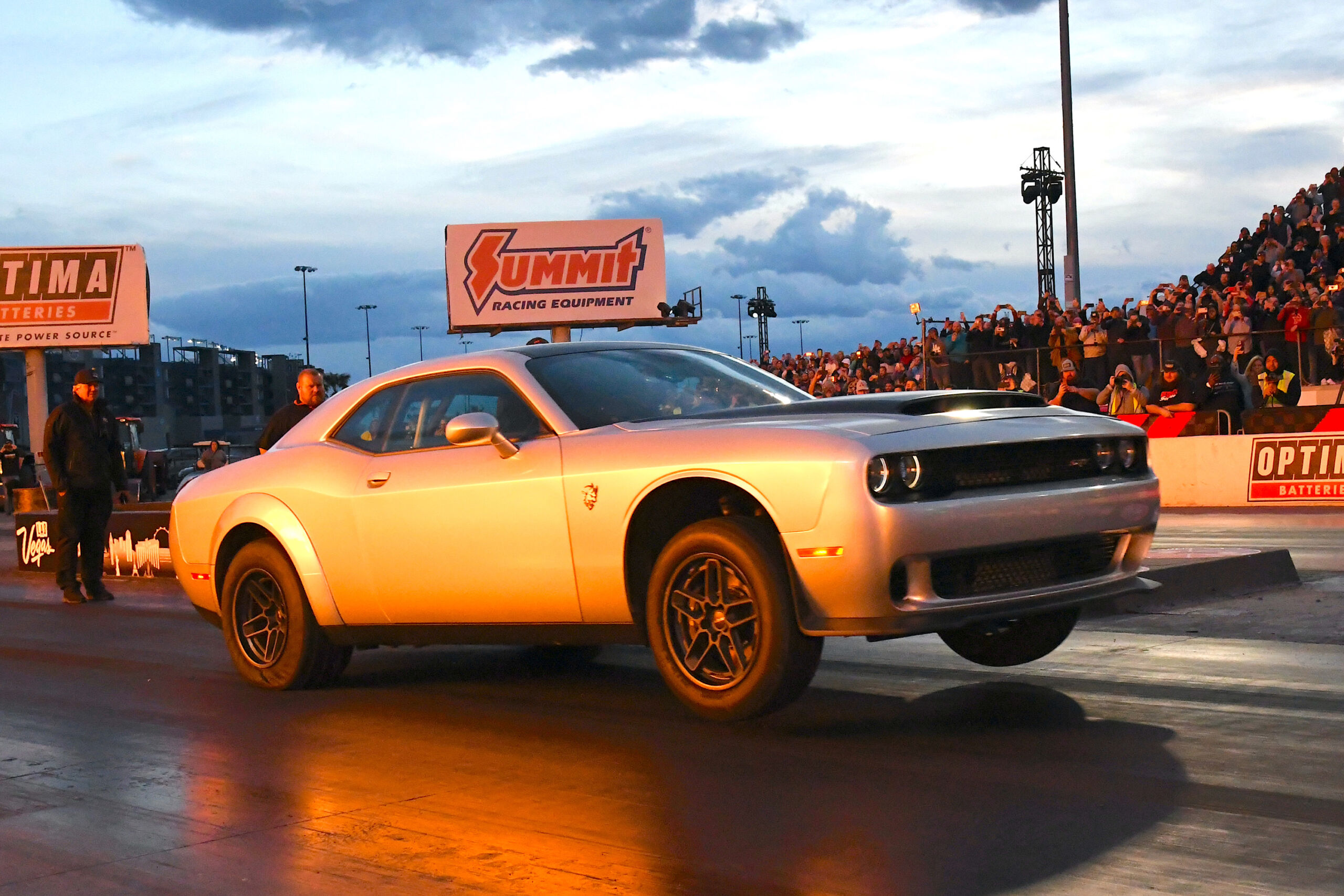
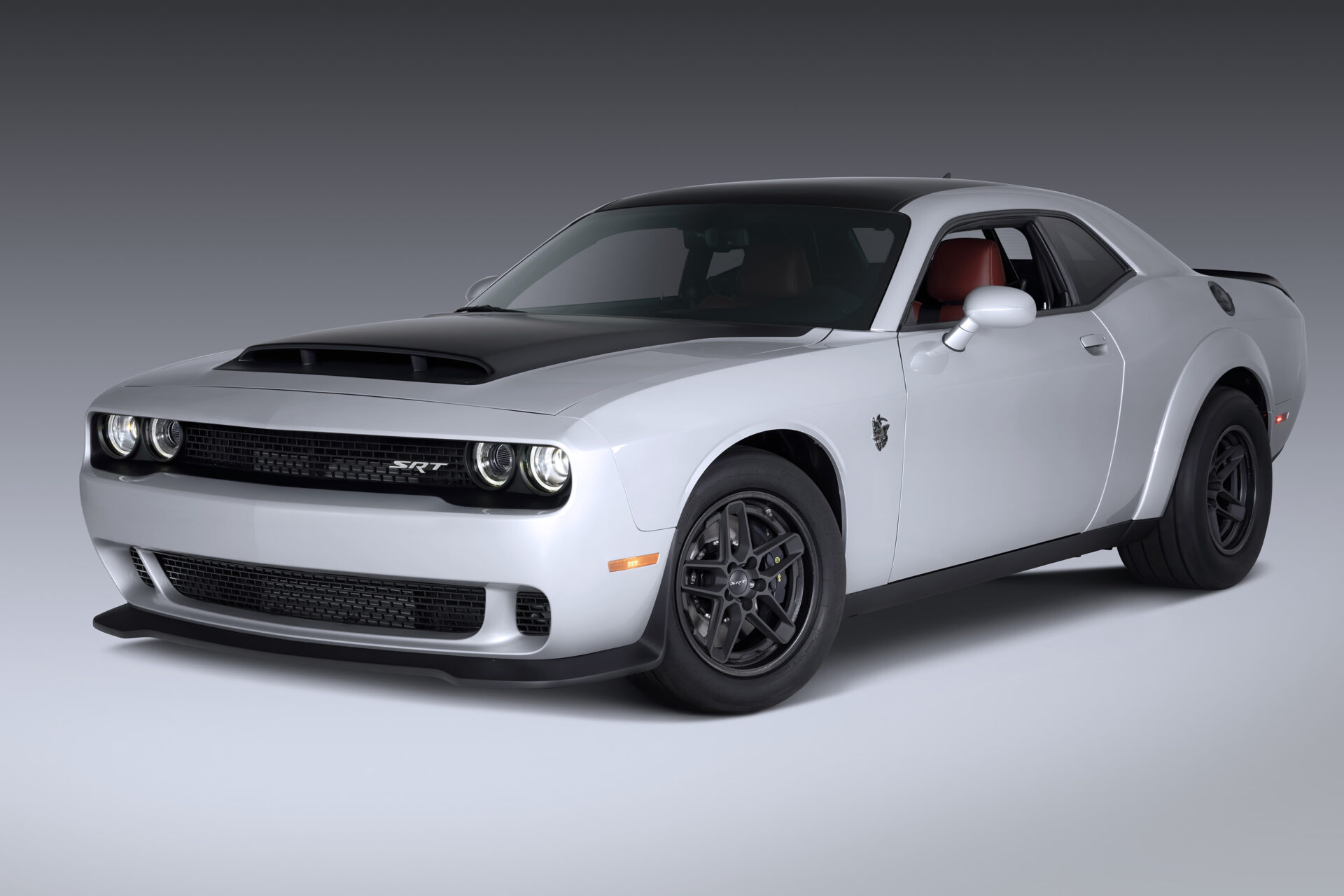
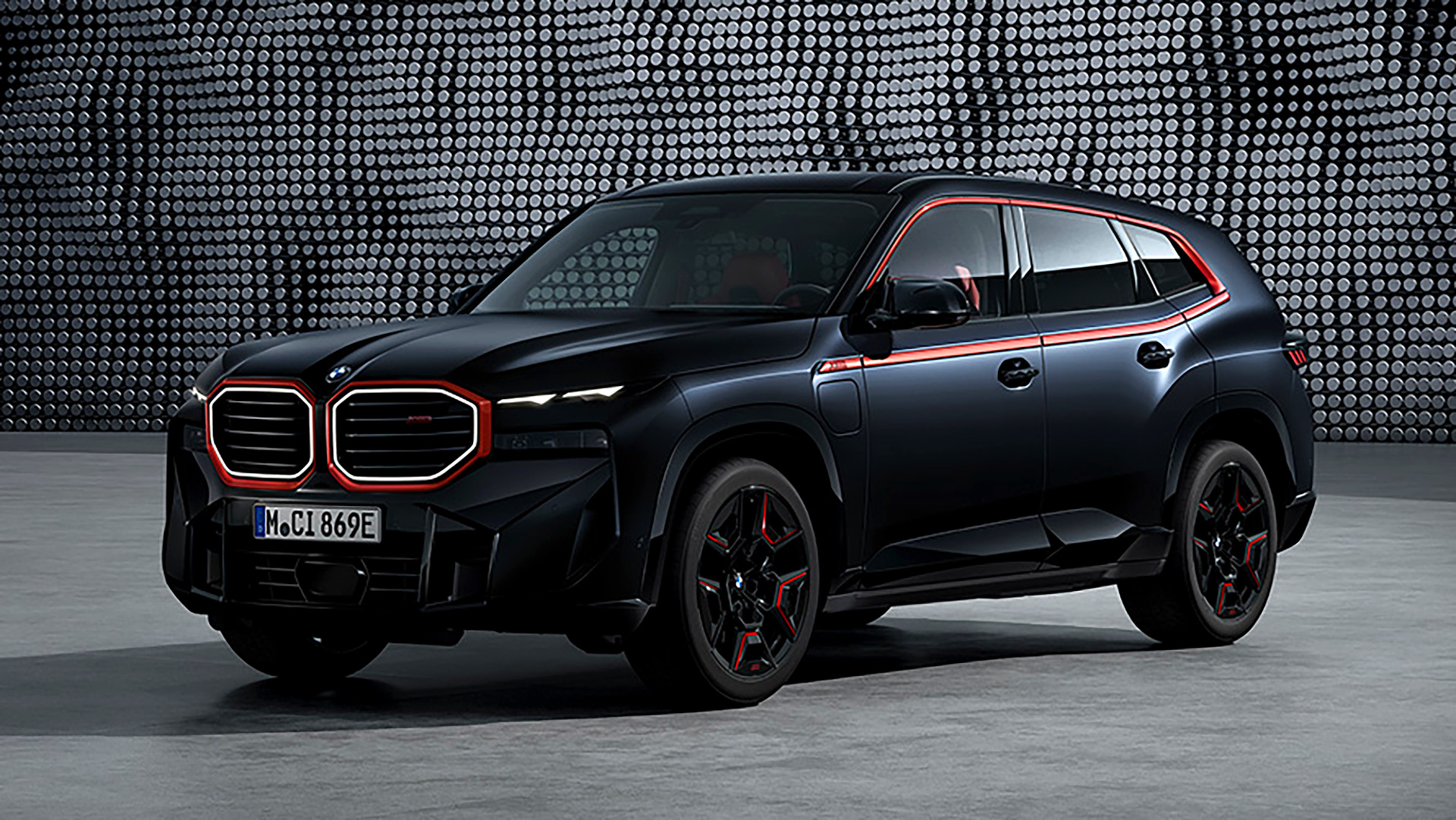
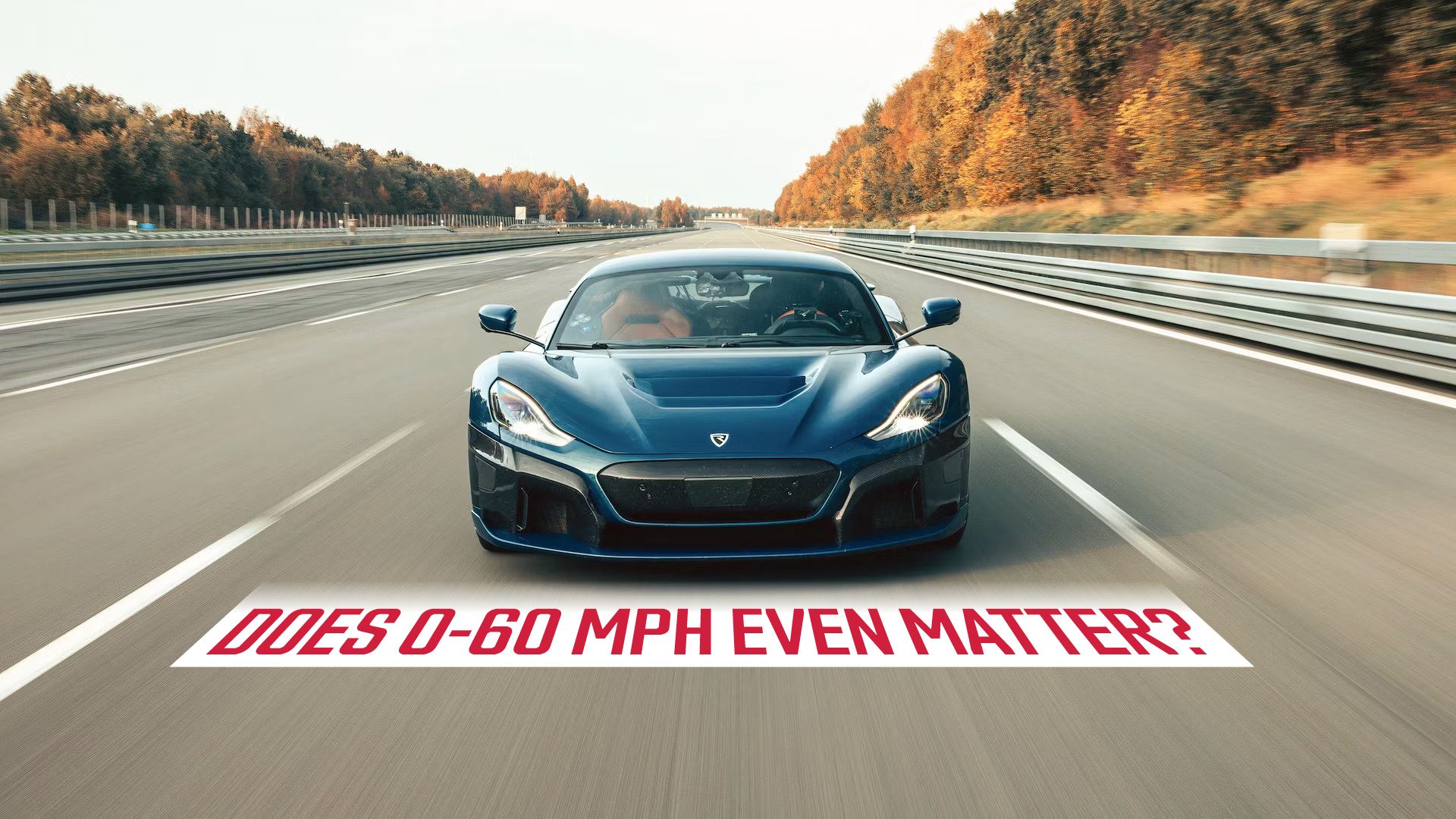
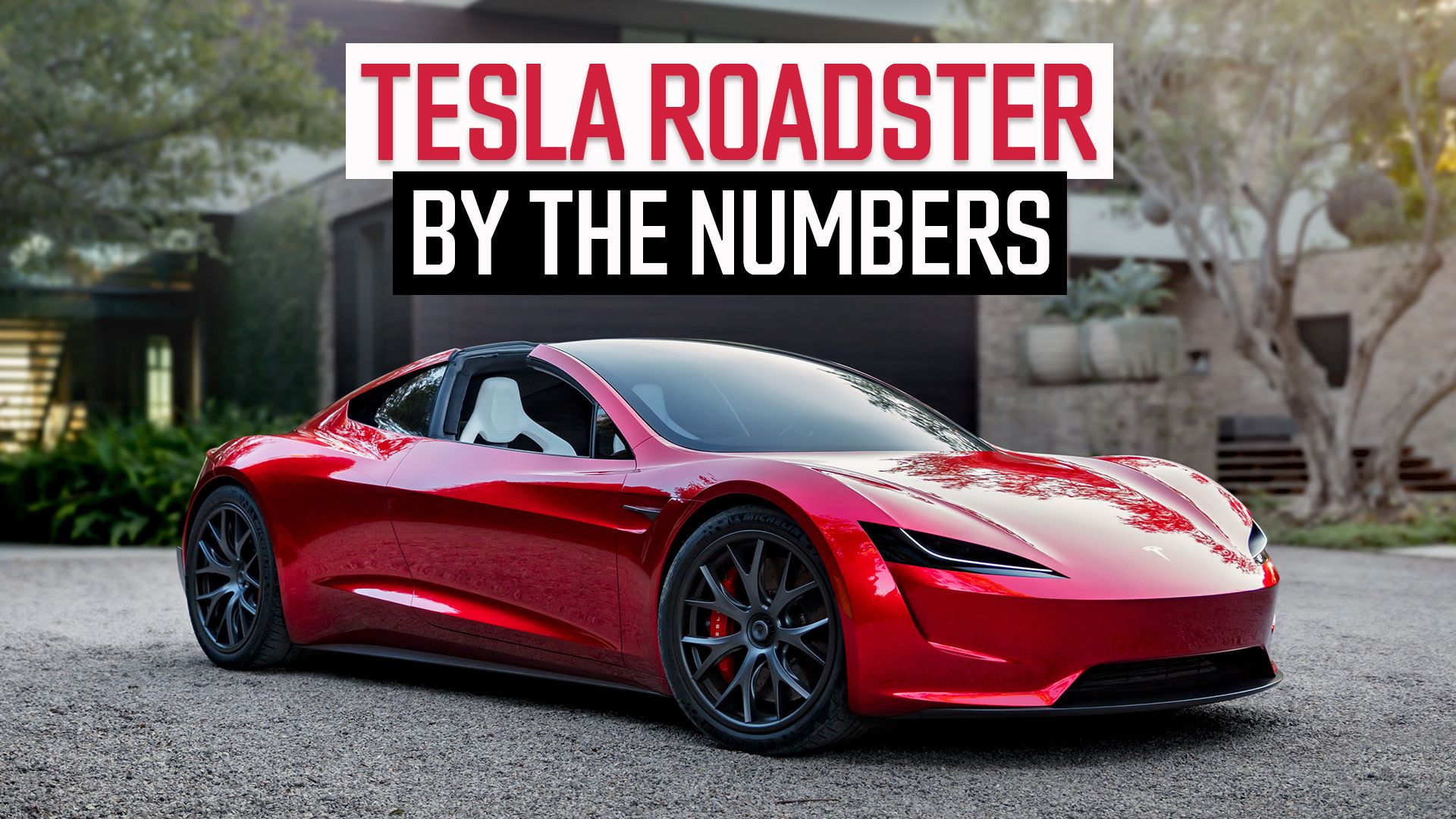
A 0–60 mph time represents the duration, measured in seconds, that a vehicle requires to accelerate from a complete standstill to a speed of sixty miles per hour. As of 2026, this metric remains the most recognized industry benchmark for evaluating a vehicle's "off-the-line" performance, serving as a critical indicator of engine potency, drivetrain efficiency, and traction capabilities.
For decades, the 0–60 mph sprint has been the primary yardstick used by automotive journalists, manufacturers, and enthusiasts to quantify how "fast" a car feels. While top speed is often a theoretical figure restricted by speed limiters or lack of road space, acceleration is a tangible sensation experienced during highway merging or overtaking. In the current automotive landscape of 2026, where electric vehicles (EVs) have fundamentally rewritten the rules of torque delivery, understanding the nuances behind these numbers is more important than ever for consumers and hobbyists alike.
The Physics of the Launch: How 0–60 is Achieved
To achieve a competitive 0–60 time, a vehicle must overcome several physical hurdles, starting with inertia. The moment a driver floors the accelerator, the vehicle’s powertrain must translate stored energy—either chemical (gasoline) or electrical (battery)—into rotational force, known as torque.
The Role of Traction and Friction
Traction is the most significant limiting factor in 0–60 times. No matter how much horsepower a vehicle possesses, it can only accelerate as quickly as its tires can grip the pavement. This is governed by the coefficient of friction between the rubber and the road surface. In 2026, high-performance vehicles increasingly rely on sophisticated all-wheel-drive (AWD) systems that distribute torque to all four wheels, effectively doubling the available contact patch for acceleration compared to two-wheel-drive setups.
Power-to-Weight Ratio
While torque gets the car moving, the power-to-weight ratio determines how long that momentum can be sustained. A heavy vehicle requires significantly more energy to reach 60 mph than a lighter one. This is why many modern performance cars utilize carbon fiber, aluminum, and high-strength composites to shed pounds. In the EV sector, the massive weight of battery packs is often offset by the sheer abundance of instant torque, allowing even 5,000-pound luxury sedans to achieve times that were once reserved for lightweight supercars.
The Evolution of the Powertrain: Internal Combustion vs. Electric
The year 2026 marks a pivotal era where the distinction between internal combustion engine (ICE) vehicles and EVs in 0–60 performance has reached a point of stabilization.
Internal Combustion Mechanics
In a traditional gasoline vehicle, the 0–60 sprint is a complex dance of mechanical components. The engine must reach its "power band"—the RPM range where it produces maximum torque. Most modern performance ICE vehicles use turbochargers to force more air into the engine, but this can result in "turbo lag," a brief delay before the power arrives. Furthermore, ICE vehicles must shift through gears. Even with ultra-fast dual-clutch transmissions (DCTs), each shift represents a tiny interruption in power delivery.
The Electric Advantage
EVs have a natural advantage in 0–60 testing because electric motors provide 100% of their available torque at zero RPM. There is no need to "rev up" the engine or wait for a turbocharger to spoil. Additionally, most EVs use a single-speed transmission, meaning the acceleration is one continuous, uninterrupted pull from 0 to 60. This "instant-on" characteristic is why electric family SUVs in 2026 often out-accelerate dedicated gasoline sports cars from the previous decade.
The "One-Foot Rollout" and Measurement Standards
One of the most misunderstood aspects of 0–60 timing is the concept of the one-foot rollout. This is a standard practice adopted from drag racing, where the timer does not start until the vehicle has traveled exactly one foot from its starting position.
Why Rollout Matters
The rollout typically subtracts about 0.2 to 0.3 seconds from the "true" 0–60 time. Manufacturers and major automotive publications like Car and Driver or MotorTrend often use this standard because it mimics the timing lights at a drag strip. However, when using consumer-grade GPS performance trackers (like a Dragy or VBOX), users can often toggle between "true" 0–60 and "rollout" 0–60. When comparing vehicle specs in 2026, it is vital to verify whether the manufacturer is quoting a time with or without this head start, as it can make a mediocre car look significantly more impressive on paper.
Advanced Telemetry
In 2026, we no longer rely on stopwatches. Modern 0–60 times are measured using high-frequency GPS satellites (often 25Hz or 50Hz) that track the vehicle's position and velocity with millimetric precision. These systems also account for the "slope" of the road; a valid 0–60 run generally must be performed on a surface with less than a 1% decline to ensure the results aren't being aided by gravity.
Environmental and Surface Factors
A car's 0–60 time is not a static number; it is highly dependent on the environment. Even the fastest car in the world will post disappointing numbers if the conditions are not optimal.
- Density Altitude (DA): This is a measure of air density influenced by temperature, humidity, and altitude. For ICE vehicles, "thin" air at high altitudes or on very hot days contains less oxygen, reducing the engine's power output. EVs are largely immune to DA-related power loss but can suffer from reduced battery efficiency in extreme cold.
- Surface Preparation: The difference between "street" asphalt and a "prepped" drag strip is massive. Drag strips are often treated with a sticky resin (often called VHT or Pimp Juice) that allows tires to bite into the surface. A car that does 0–60 in 2.5 seconds on a prepped track might take 2.9 seconds on a standard public road.
- Tire Temperature: Cold tires are hard and lack grip. Performance drivers often perform a "burnout" or drive the car for several miles to bring the tire carcasses up to an optimal operating temperature (usually between 100°F and 140°F) before attempting a maximum-effort launch.
2026 Performance Benchmarks: What is Considered "Fast"?
As technology has progressed, the definition of a "fast" 0–60 time has shifted dramatically. What was considered supercar territory in 2006 is now standard for a mid-range commuter vehicle in 2026.
| Vehicle Category | Typical 0–60 MPH Time (2026) | Primary Performance Driver |
|---|---|---|
| Economy/Commuter | 7.5 – 9.5 Seconds | Fuel efficiency and reliability over speed. |
| Standard EV / Hot Hatch | 4.5 – 6.0 Seconds | Instant torque and high-efficiency electric motors. |
| Sport Sedan / Entry Sport | 3.5 – 4.4 Seconds | Turbocharging and advanced AWD systems. |
| Supercar / High-Perf EV | 2.5 – 3.2 Seconds | Aerodynamics, weight reduction, and launch control. |
| Hypercar | 1.8 – 2.4 Seconds | Multi-motor EV setups or hybrid-assist ICE. |
In 2026, the 2-second barrier is the new "3-second barrier." Achieving a sub-2-second 0–60 time requires not just power, but specialized tire compounds and often complex torque-vectoring systems that manage power at each individual wheel hundreds of times per second.
Common Mistakes When Testing 0–60 Times
For enthusiasts looking to verify their own vehicle's performance, several common errors can lead to inaccurate or inconsistent data.
- Inappropriate Launch Technique: Many modern cars have a hidden "Launch Control" mode. Simply "mashing" the pedal often results in excessive wheel spin or the computer cutting power to protect the transmission. One must follow the manufacturer’s specific sequence (usually involving Sport+ mode, disabling traction control, and left-foot braking) to achieve the quoted times.
- Heat Soak: After one or two hard runs, engines and batteries get hot. For ICE cars, the intercooler becomes less effective; for EVs, the battery management system may throttle current to prevent overheating. Testing should always involve "cool-down" periods between runs.
- Payload and Fuel Weight: A full tank of gas and two passengers can add 400+ pounds to a car. Most "official" times are recorded with a 1/4 tank of fuel and a single driver to maximize the power-to-weight ratio.
- Safety Negligence: 0–60 testing should never be conducted on public roads. Even though 60 mph is a common speed limit, the aggressive nature of a maximum-effort launch can lead to loss of control or mechanical failure. Always use a sanctioned track or private air strip.
Performance Limitations and Professional Advice
While 0–60 times are a useful metric for vehicle comparison, they do not tell the whole story of a car's handling, braking, or long-term reliability. Rapid acceleration puts immense stress on CV axles, transmissions, and motor mounts. Frequent maximum-effort launches can void warranties or lead to premature component failure. Always consult your vehicle's owner manual regarding "competitive driving" or "launch modes" to understand the legal and mechanical risks involved.
Frequently Asked Questions
Does a lower 0–60 time mean a car is better?
Not necessarily. A low 0–60 time indicates strong acceleration from a stop, but it doesn't account for "rolling acceleration" (e.g., 50–70 mph), which is more relevant for highway passing. It also doesn't reflect how a car handles corners or how comfortable it is for daily driving.
Why is 0–60 used instead of 0–100?
The 0–60 mph (0–96.5 km/h) metric became the standard because 60 mph is a common legal speed limit in many regions, representing a "real-world" speed. In Europe and other metric-using countries, the standard is 0–100 km/h (0–62 mph), which is slightly slower but very comparable.
Can I improve my car's 0–60 time with better tires?
Yes. Upgrading from all-season tires to high-performance summer tires is often the most cost-effective way to improve acceleration. Better grip allows the car to utilize more of its power without the traction control system intervening.
Does 0–60 matter for electric vehicles?
It is often the primary marketing tool for EVs because they excel at it. However, because EVs can be very heavy, their 0–60 times are often much more impressive than their performance at higher speeds (above 100 mph), where wind resistance and motor RPM limits begin to take a toll.
What is the fastest 0–60 time possible?
As of 2026, the physical limit for a production car on street tires is hovering around 1.7 to 1.9 seconds. Beyond this point, the limiting factor is no longer horsepower, but the "mu" (coefficient of friction) of the rubber tires on asphalt. Without aerodynamic downforce pushing the car into the ground or specialized "sticky" tires, it is physically difficult to accelerate faster than gravity (1G) would allow.
Final Recommendations for Performance Enthusiasts
If you are evaluating a vehicle based on its 0–60 performance in 2026, prioritize "independent verification" over manufacturer brochures. Manufacturers often test under "hero conditions"—perfectly prepared tracks, professional drivers, and specific atmospheric conditions that are difficult to replicate. Look for third-party reviews that provide "as-tested" numbers on standard pavement.
For those looking to improve their own vehicle’s performance, start with the basics: ensure your tires have adequate tread and are properly inflated, and remove unnecessary weight from the trunk. If you plan on frequent performance testing, invest in a dedicated GPS-based timing device rather than relying on a smartphone app, as phone GPS chips are generally too slow to provide the sub-second accuracy required for a meaningful 0–60 measurement. Always prioritize safety and mechanical sympathy to ensure your vehicle remains capable of those sprints for years to come.